
The Mexican Buckeye (Ungnadia speciosa) is a Texas-native, deciduous ornamental shrub or small tree (8–12 ft, up to 30 ft) with distinctive 3-lobed,, reddish-brown seed capsules containing poisonous, black, shiny seeds. It features fragrant spring whiteish-pink flowers, yellow fall color, and high drought tolerance, thriving in limestone soils, full sun, or partial shade.
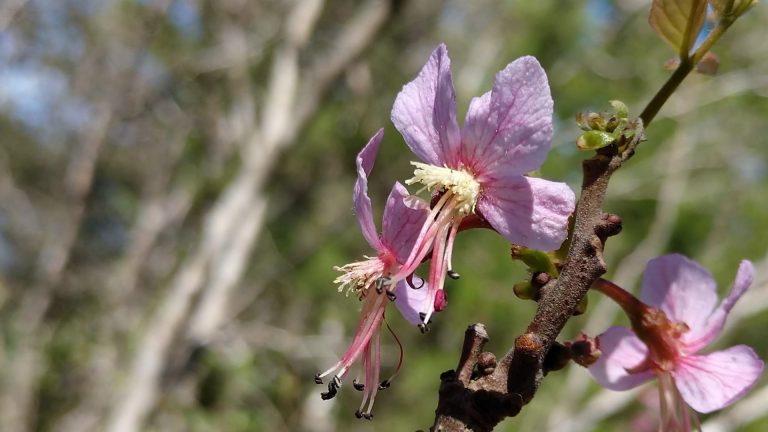
It blooms profusely with fragrant pink blossoms in spring like a peach or redbud tree, and bees produce honey from the floral nectar.
If planting saplings into your fields or yard in North Texas where we have a heavy clay soil – amendments to the soil will be appreciated by your plant – to assist drainage. (They evolved in limestone soils – which tend to drain much better than our Blackland Prairie clay soils)
*****
Care:
Hardiness: Zones 7-9
Plant Form: Shrub or Tree
Plant Family: Sapindaceae
Lifespan: Perrenial
Exposure: Full sun / Partial Sun. Blooms are best in full sun
Season of Interest: Spring (Early / Mid / Late) ; Summer (Early / Mid / Late) ; Fall
Height: 8′ – 30′ (2m – 9m)
Spread: 12′ – 20′ (4m – 6m)
Maintenance: Low
Water Needs: Low (water deeply 1x-2x weekly til roots adjust to your soil)
Tolerance: Drought
Soil Type: Clay, Loam, Sand
Soil pH: Alkaline, Neutral
Soil Drainage: Well Drained
Characteristics: Fragrant, Showy Whiteish-Pink flowers,
Native: US Southwest, Texas, New Mexico, Oklahoma; Mexico
Attracts: Bees, Butterflies, Birds
*****
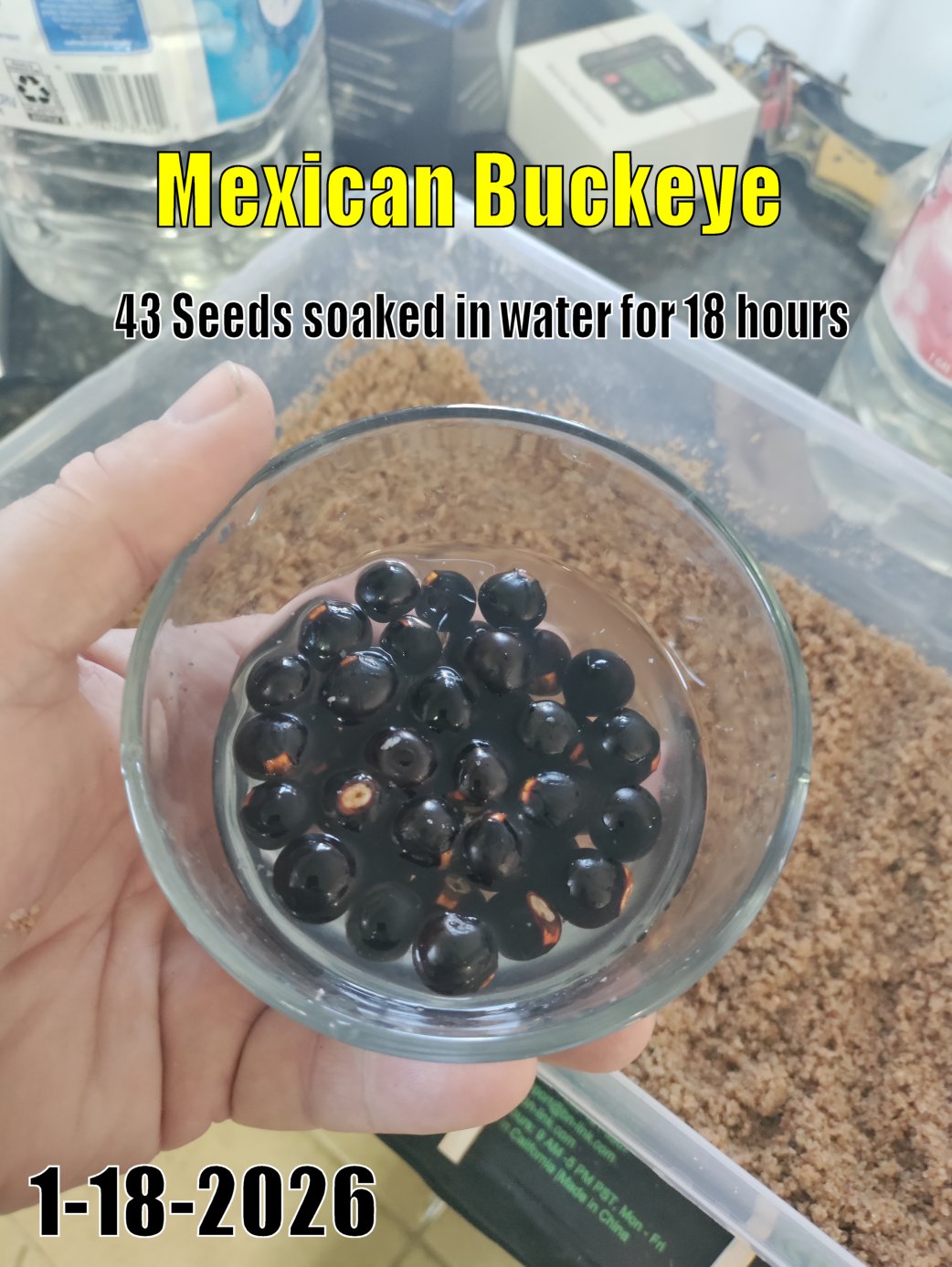
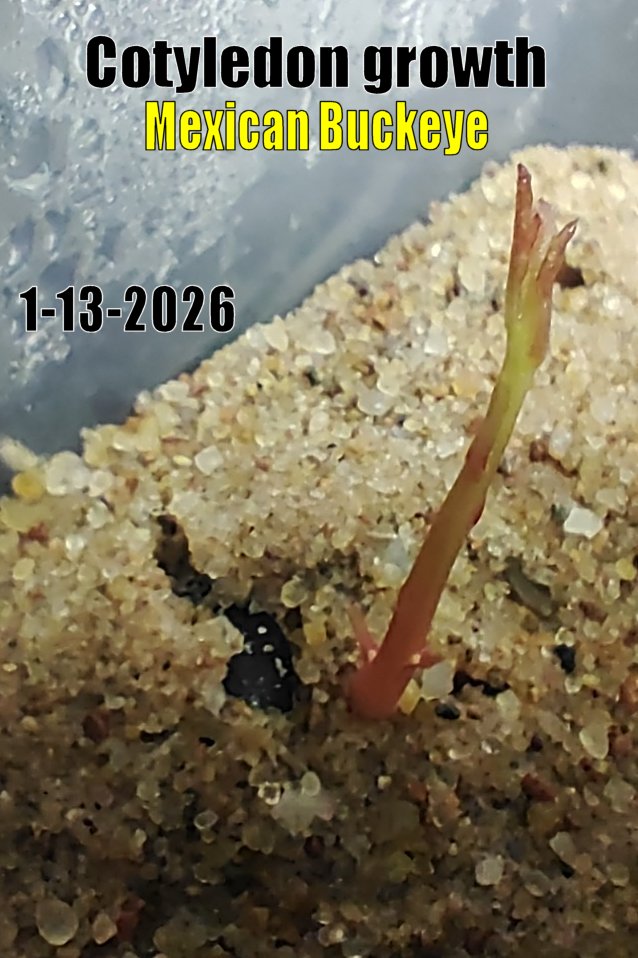
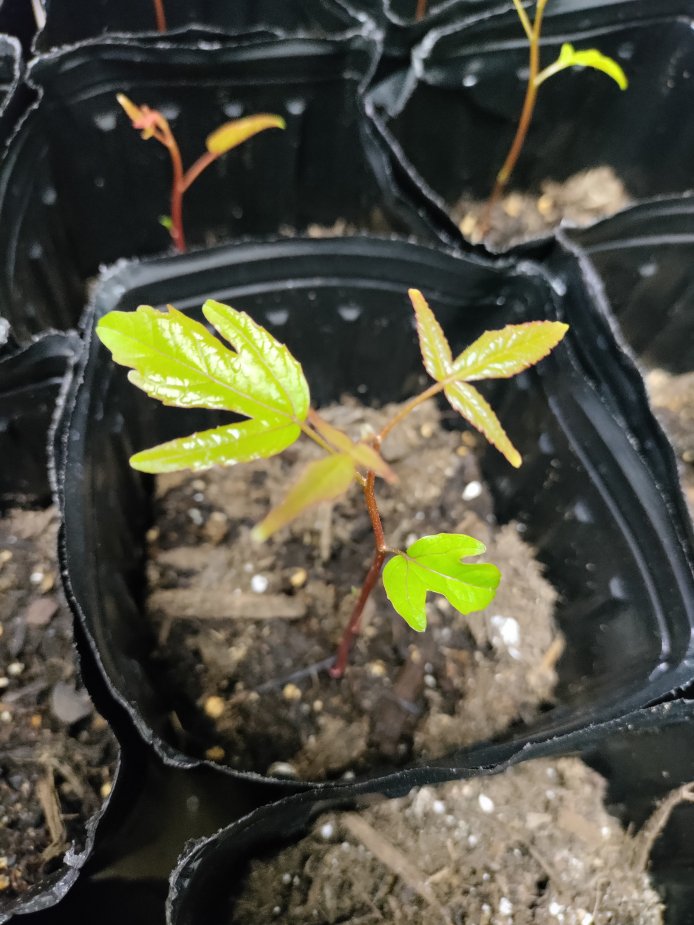
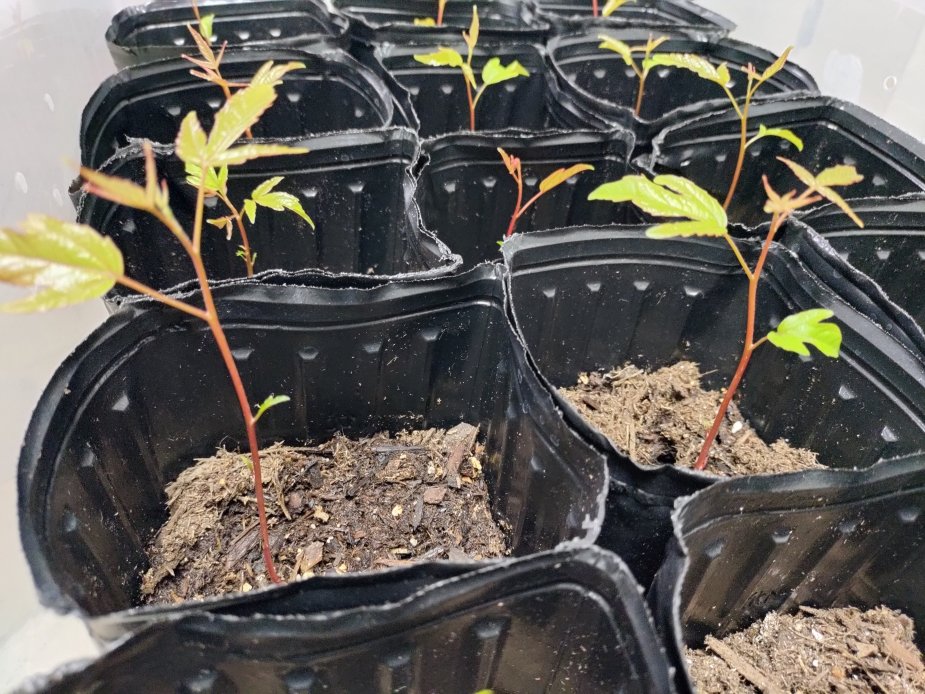
Seeds germinate and the radical and cotyledon emerge in approximately 3-7 days (My experience was closer to 3 days – with the seeds being in damp sand in a shallow container sitting on a 20-watt seed warming mat). After germination – at approximately 7 days – I placed each emerged seedling into a deep tree-pot for the root systems to develop fully.
From iNaturalist:
Ungnadia speciosa is a deciduous shrub or small tree (< 25 ft) that is often multi-trunked. The leaves (5–12 inches or 13–30 centimetres) are alternate and pinnately compound with 5 to 9 leaflets. The leaflets are long (3–5 inches or 7.6–12.7 centimetres), narrow, and pointed with slight serrations.
Fact Sources:
Ladybird Johnson Wildflower Center
Native Plant Society of Texas
iNaturalist
Gardenia.net
Leave a Reply
You must be logged in to post a comment.