1 House, 2 Hives. According to the neighbors, both of these hives have been in existence for well over 10 years. I believe it – with the hard, black propolized comb. Both hives were in the joist space between floors of a 2-story home.
Hive #1 had bees that were very gentle to work with, and had lots of honey that they had stored. They were accessed through the drywall below the hive.
Hive #2…(2nd two pics) – well, they weren’t so nice. (they were accessed from above – through the 2nd floor decking).
The job is done, and the contractor renovating the home can finish up their work, now.
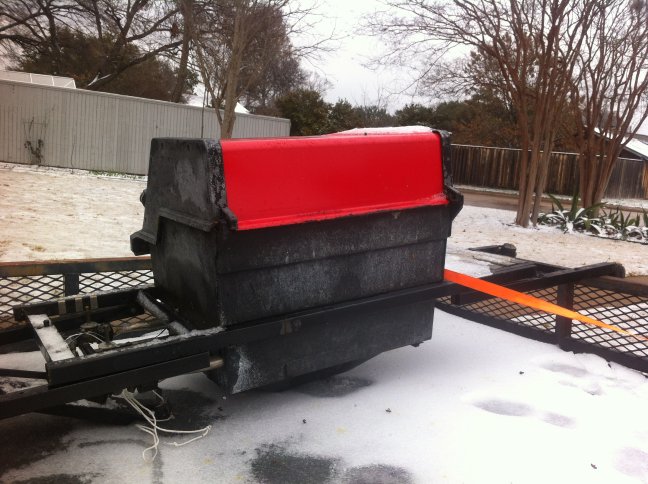
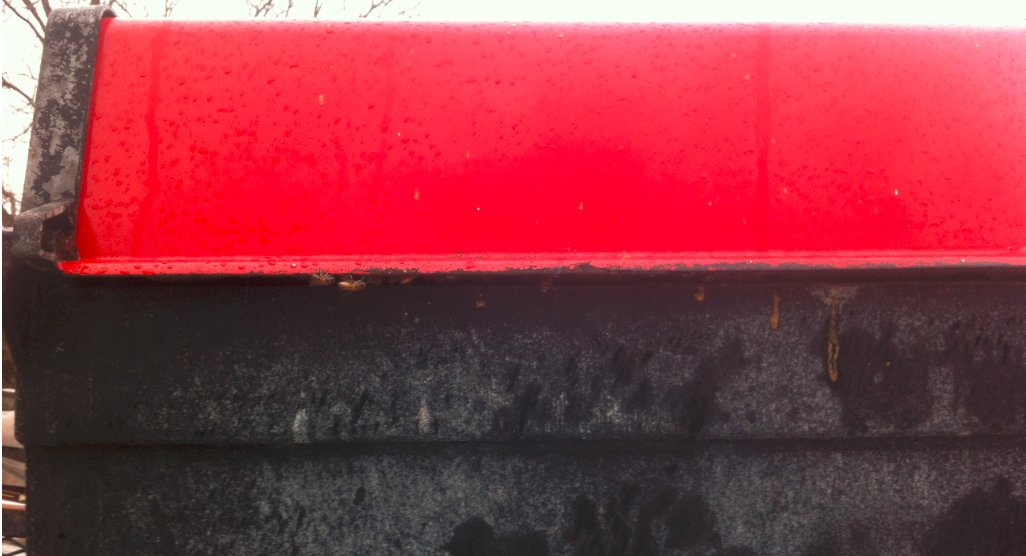
These bees have survived a Texas summer, fall, and now a winter. The homeowner says that the bees moved in the BBQ pit last spring. The bees were not bothering anyone – so they let them stay for a while. Before springtime sets us in with warm weather, though – the bees *really* need to be hived into a proper hive.
Though I took away the bees today (28 degrees, snow, ice, etc) I’ll take them to the bee-yard, and when temperatures are warm enough for a proper removal and transition to a commercial hive, I’ll spend about 2 hours with their move to a regular box.
(If you look closely at the 2nd picture, you might see a few bees poking their heads out to see what I was doing).
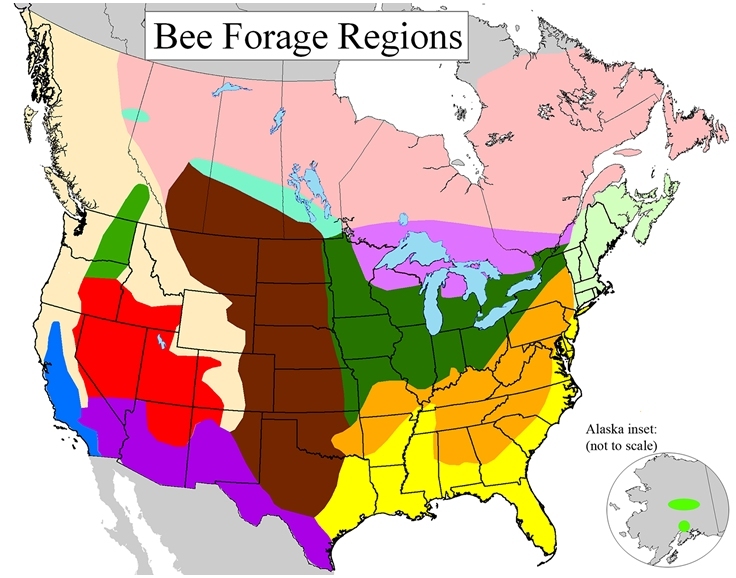
NASA has collaborated to provide information to (and from) beekeepers to show nectar flow data. Their resource lists plants in a large region, as well as whether those nectar sources are a significant forage item for the bees, or if it is not. A guesstimation is also given as to what months the particular plants are in bloom for a nectar flow.
A link to the USDA website is also provided in the regional (state) maps that you can click on – and search the database for specific plant data.
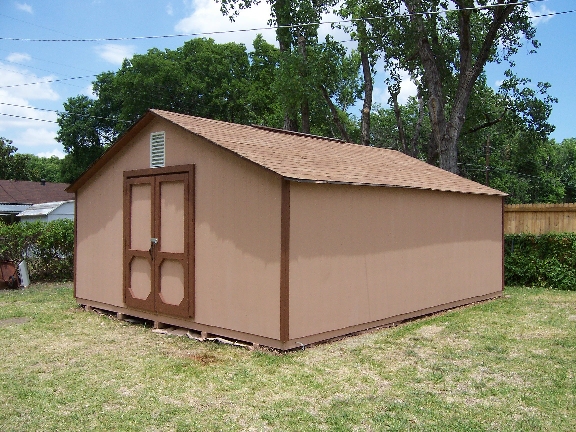
Over 10 years ago, I started, marketed, worked, built, and completely ran (with an occasional helper) a company dedicated to building storage sheds in the Dallas metroplex. The photos below are one of the larger buildings that I built – that was later renovated to be a back-yard apartment. The construction photos below show the process up until the point that the city approved the building as built per their issued permit for a “portable building /outbuilding /storage shed”. All rules and laws were adhered to by me for the construction of this building. After the permit / inspection approval… the homeowner contracted with “someone” for some additional upgrades to the structure.
16×20 Organizer – Built by Rex Smith
At Customer’s Request:
Upgraded all siding to HardiPanel siding
Upgraded to 5 skids instead of the standard 3 skids
Plastic sheet vapor barrier laid in advance of building the building
Ridge vent as well as end-vents installed on front and back
Primed and painted body of building as well as the trim
Pressure-treated ramp
Anchor kit (per Garland city ordinance for buildings under 400′ Sq.)
Unofficial Upgrades:
I can also attest to the fact that after this building was built, interior was finished out with electrical outlets and a breaker box for the building. A few windows and a window a/c unit was installed, and a proper French-door for entry was installed. The interior walls (and roof-line) were insulated, and drywall paneling was installed, and taped/bedded… I’m pretty sure that the homeowner was using the building not for “storage” but as a rental “apartment”. A total of 320 square feet – this is rather large for a “tiny house”.
The Empty Yard
The Empty Yard
Here’s where the shed will go
Here’s where the shed will go
Vapor barrier laid out, and lumber staged
Spliced 4×4 PT Skids
Floor Framing in place
Deck laid, walls framed & sheathed, and rafters staged
Not a full hive inspection – but a beautiful 60 degree (F) day – and a chance to check the pollen substitute feeders to see if they are in need of being refilled. Indeed – they were low – so after filming this short 1-minute video clip, I refilled the pollen substitute feeders.
Several weeks back, I inspected the hives, and in one of the empty nucs, found a mouse nest – with a single mouse living within. I had forgotten about installing mouse-guards when I was reducing the hive entrances and adding covers under the screened bottom boards.
I did a quick check in the hives before installing the mesh. It is 1/4″ hardware cloth – simply bent to a 90 deg. angle, and stapled across the entrance. Not rocket science – just a block to keep the field mice from using the hives for shelter, warmth, and food.
Here’s a Christmas day follow up for my pollen feeders that I installed last Saturday. We had a sunny day that was nice (but windy) – and the bees were ALL OVER the pollen sub. (I use Mega-Bee from Mann Lake)
After 5 days, we have a warm day (~55 deg. F) that allows me a chance to come back out to the bee-yard and check on the feeders that were placed last Saturday afternoon. As you can see – the bees are flying, and SCOOPING UP THE pollen sub!
Merry Christmas, Happy Yuletide, Festivus, and new return of the Solar Unit.
This week I made two feeders that provide pollen substitute to the bee-yard. Total build time for the feeders was about 5-minutes. Scroll down to view the video that was made for this project.
Pollen Substitute Dispenser on fence – View of opening
Pollen substitute ( or Pollen Sub ) is fed to the bees in any of several forms. As a powder that they forage for and bring back into the hive, as a “patty” that is placed into the hive and they move it into cells without having to leave their home. I am currently using Mann Lake’s BeePro pollen sub.
Pollen Substitute Dispenser on fence
Items needed for this project:
4″ PVC Pipe
4″ PVC End Cap
Downspout Adapter
PVC Primer & Glue
Pollen Substitute.
Rex Smith plays a personally written song on Mountain Dulcimer. Dulcimer has a more rich and full sound than indicated in the video. Dulcimer built by Terry Cannon. Inspiration to play – by Bing Futch (look up his Dulcimerica videos!).
This was take 1 – and has plenty of mistakes in it – but it’s been a few months since I picked up the instrument. The next video in my series is the same song – however, played on a different dulcimer.
Lots of work is in the planning stages for the 2015 beekeeping season. There are boxes to build, frames to assemble, foundation to install – oh – and did I ever mention a barn to build at Wolfsong Farm? This should give me a secure space to keep my beekeeping woodenware and equipment.
Plans are to create splits from the strong hives, and bump-up some of the hives to 10-frame boxes that survive from the 5-frame nuc boxes that some are currently in.