Archives

Magnolia Tree Bees – External Hive

These honeybees had never stung anyone living around the hive.  The hive was 19′ in the air – externally built on a limb of a magnolia tree.  The homeowner called around to get information on having them removed… and another “removal company” (that is really an exterminator with a “beekeeping related” company name) diagnosed these bees as being Africanized – while on the phone with her – and told her that they would show her that they were Africanized by waving a teddy bear in front of the bees – and when the bees attack it – that they would be *confirmed* as Africanized.  I’ve heard this line of BS from other clients who have dealt with that company as well.  The teddy bear has probably got a TON of alarm pheromone on it from other hives – making ANY bees want to attack it.

They KNEW that the bees were not aggressive, and yet gave a diagnosis of Africanized.  Some companies try to sell FEAR to customers to get them to make rash and irresponsible quick decisions.

Luckily, this homeowner called around for a 2nd opinion.  The situation (and the bees) were evaluated, and in the video you can see how atrocious their demeanor is towards me.  lol….  This short video clip was taken just before removing the comb and transferring it and the bees to a 5-frame nuc box.
De-Crystallizing Honey – DIY

One of my best harvests this summer was from a few hives that had been near a LOT of mesquite trees while they were in bloom.  The honey is some of the lightest, sweetest honey that I have seen.

Unfortunately, though, mesquite nectar tends to crystallize.  Quickly.  Did I mention that it gets granular and crystallized fast?  It does.  Really…

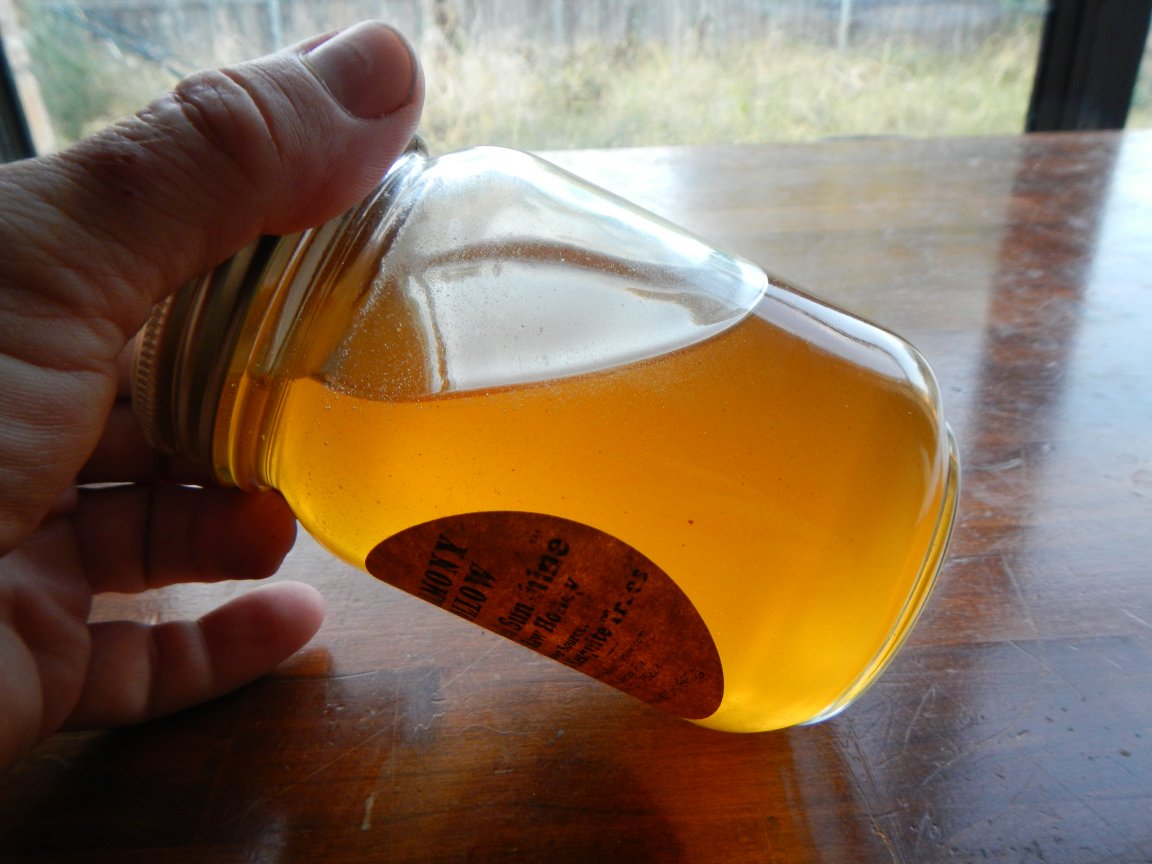
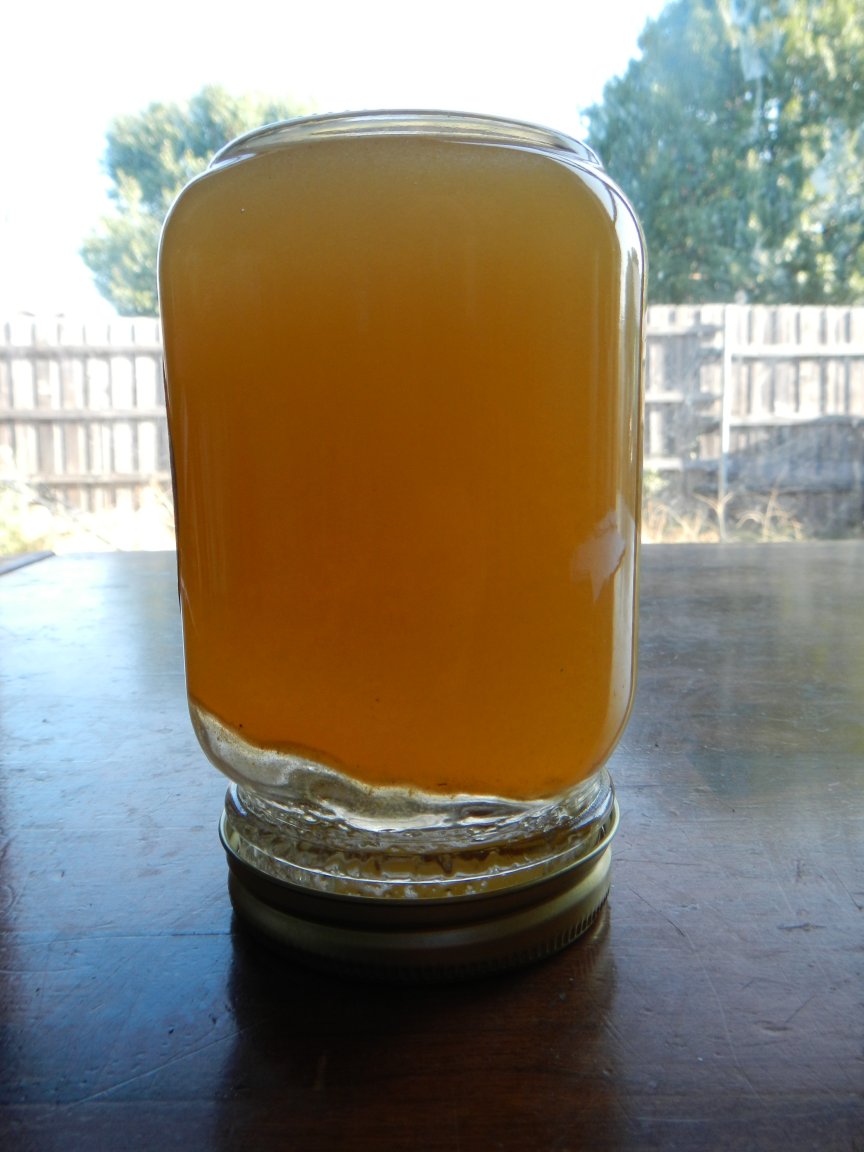
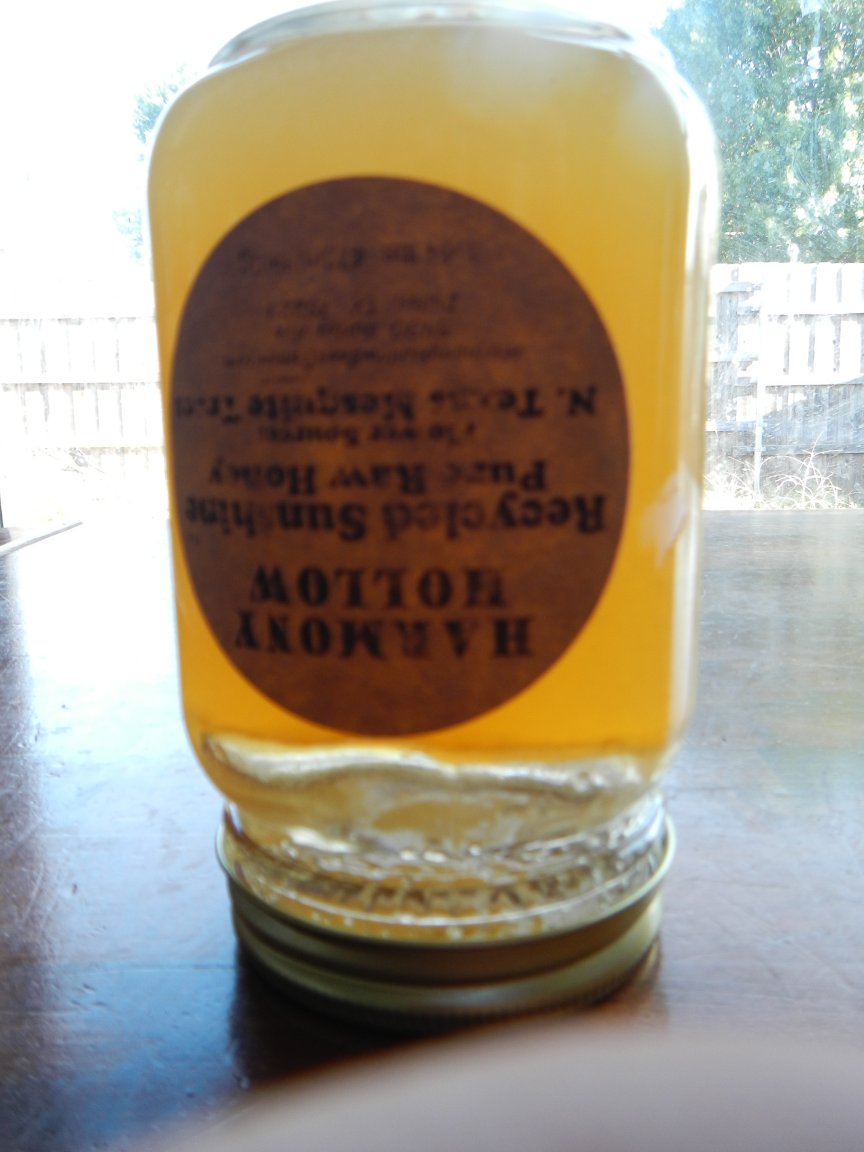
Here’s a shot of my last jar of my personal stash of mesquite tree honey:

Crys_b Crys_aThe entire jar has crystallized almost solid.

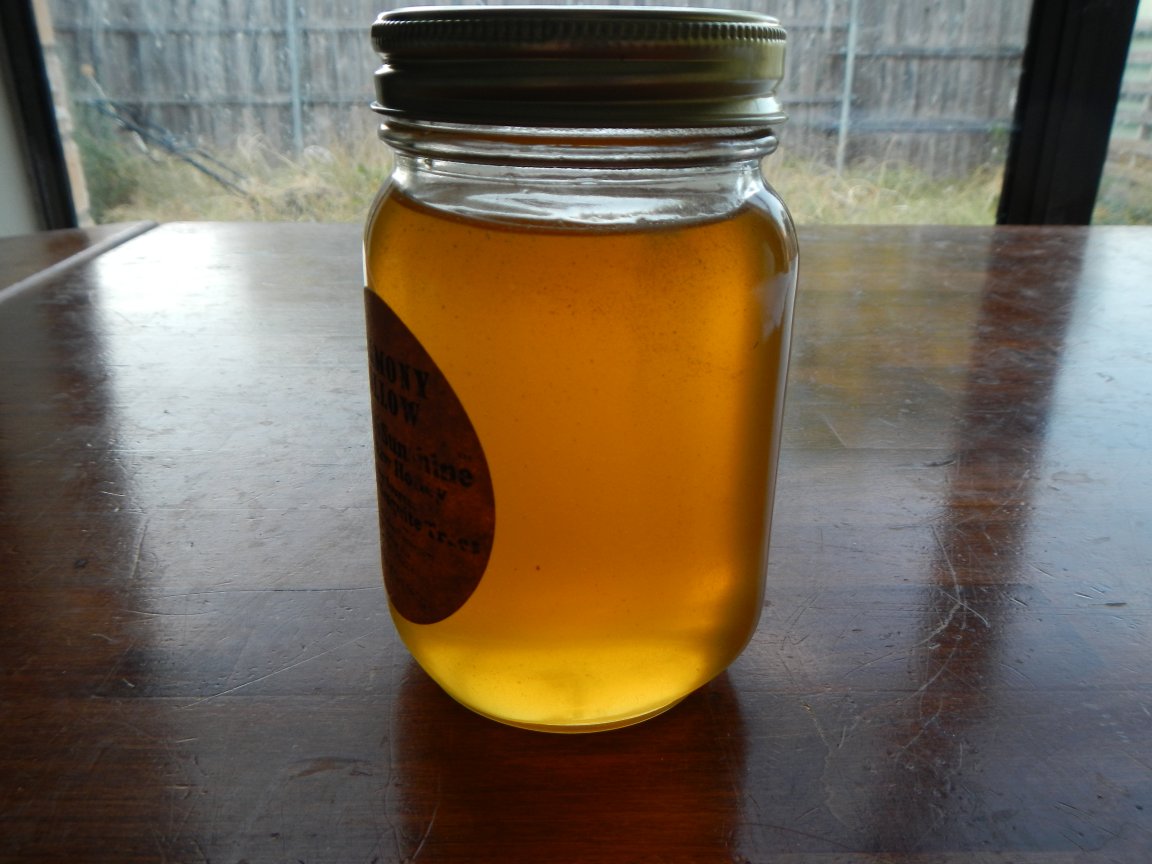
The fix is to warm it.  I put this particular jar in my truck – with the windows rolled down a bit to keep it from getting too hot.  A few hours later, I checked it – and it was completely liquid again.

Here it is AFTER being in the cab of the truck for about 2 hours.

Be careful not to get the honey too hot.  If it gets above about 110 deg. F, then there is a potential to destroy beneficial enzymes in the honey.  So, keep the honey to a range of about 100-110 deg. f. to keep the beneficial aspects intact.

Crys_d Crys_c

Observation Hive – DIY Beekeeping Project

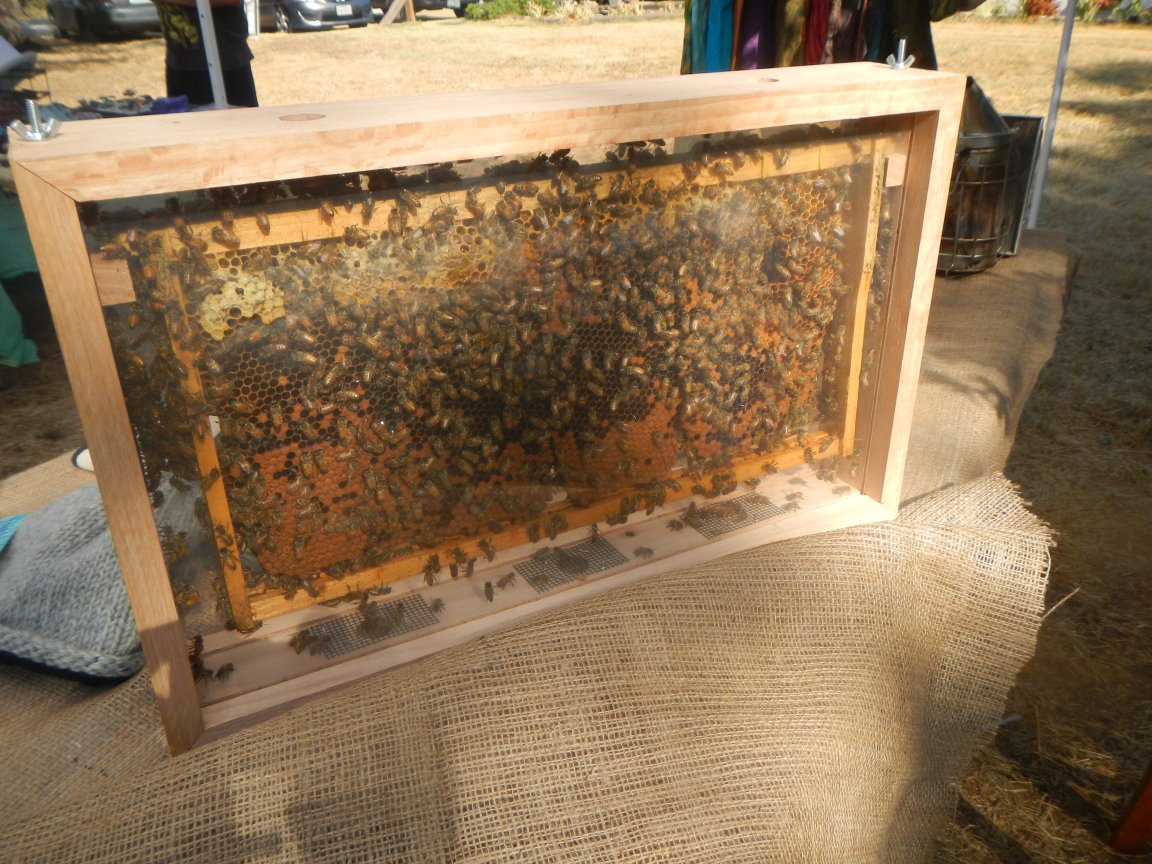
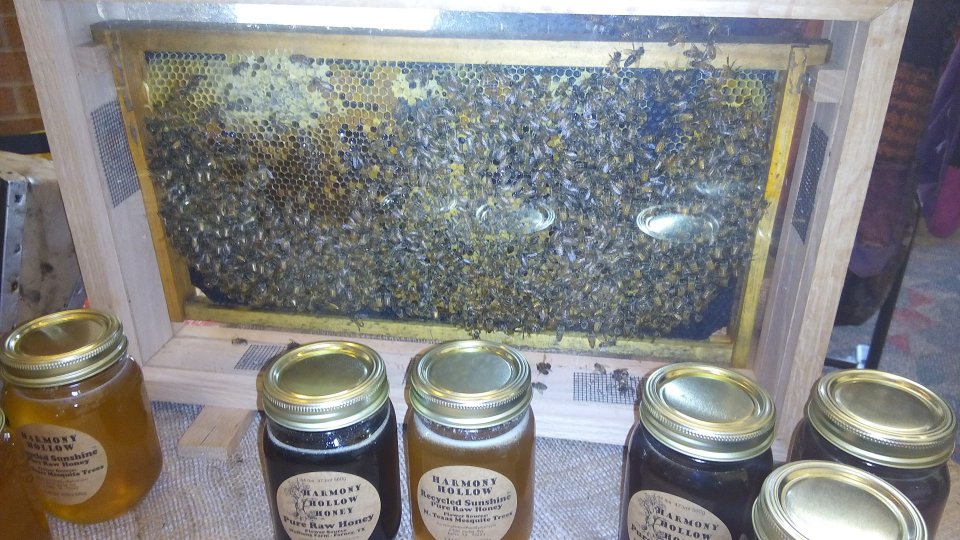
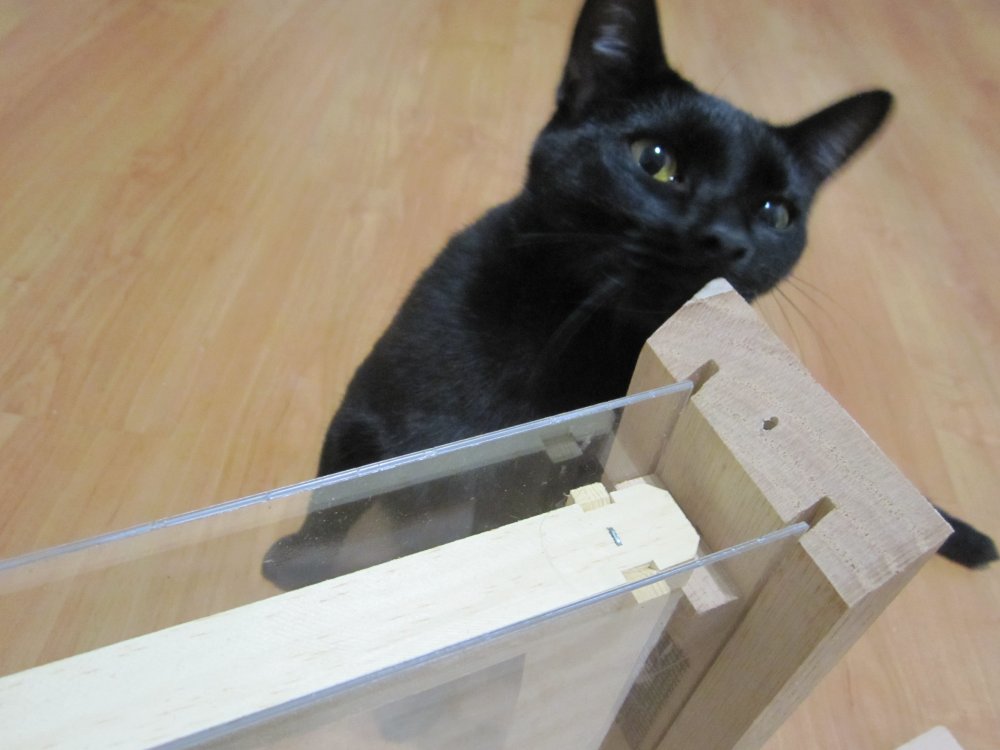
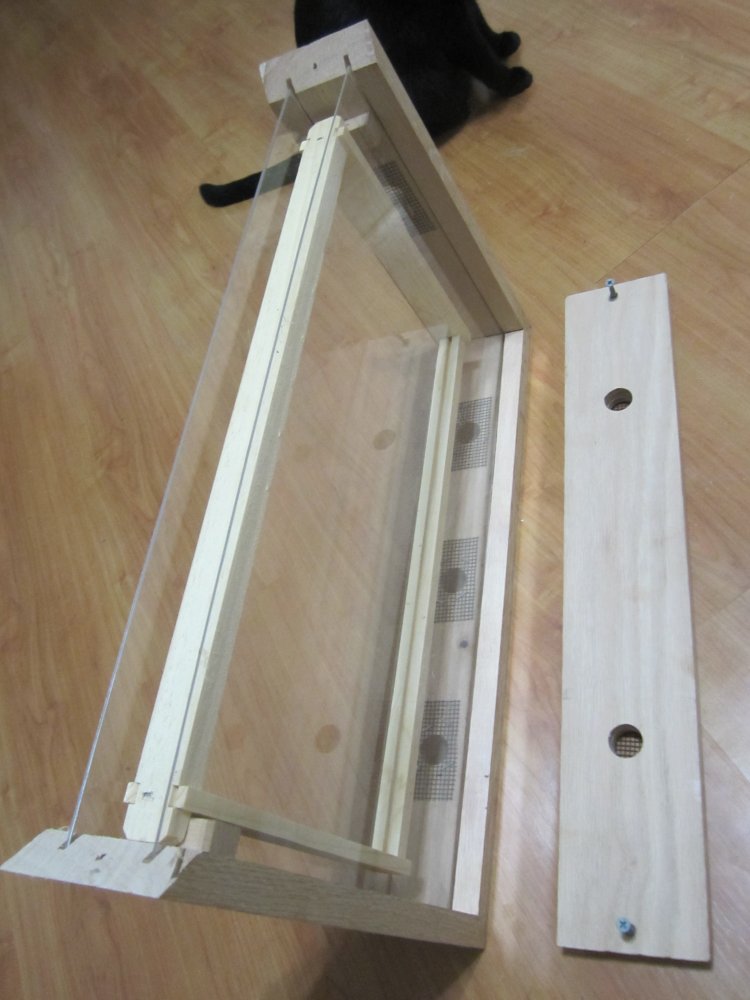
Earlier this summer I built an observation hive which holds one frame from a Langstroth hive.  This hive is a great tool for teaching at events where I speak and interact with the public regarding the importance of our pollinators.

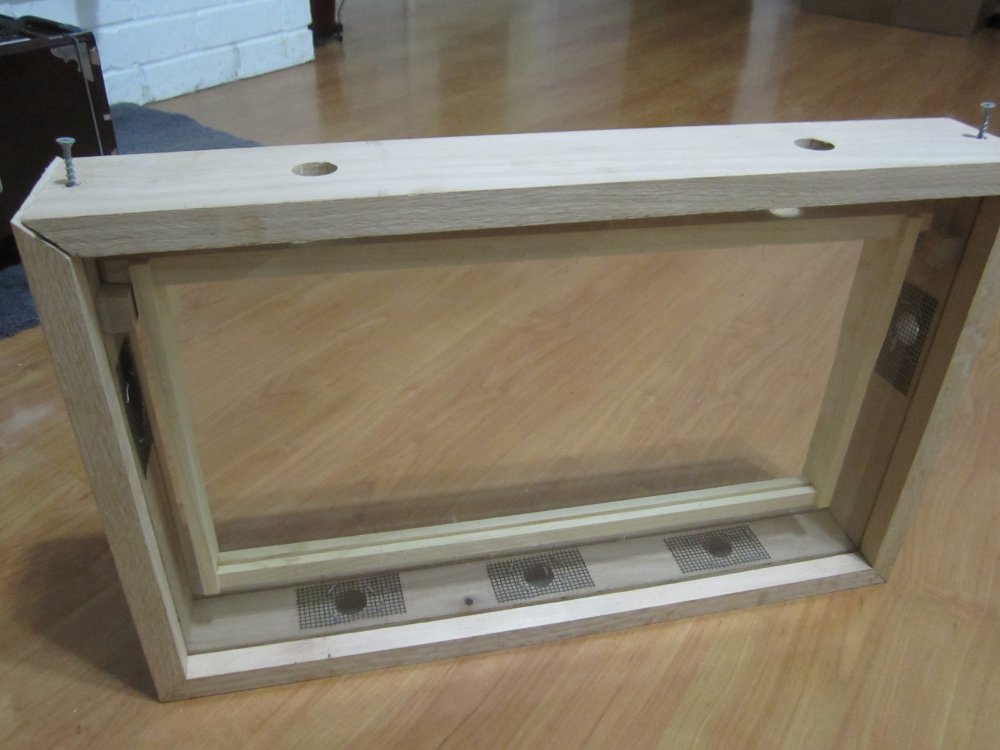
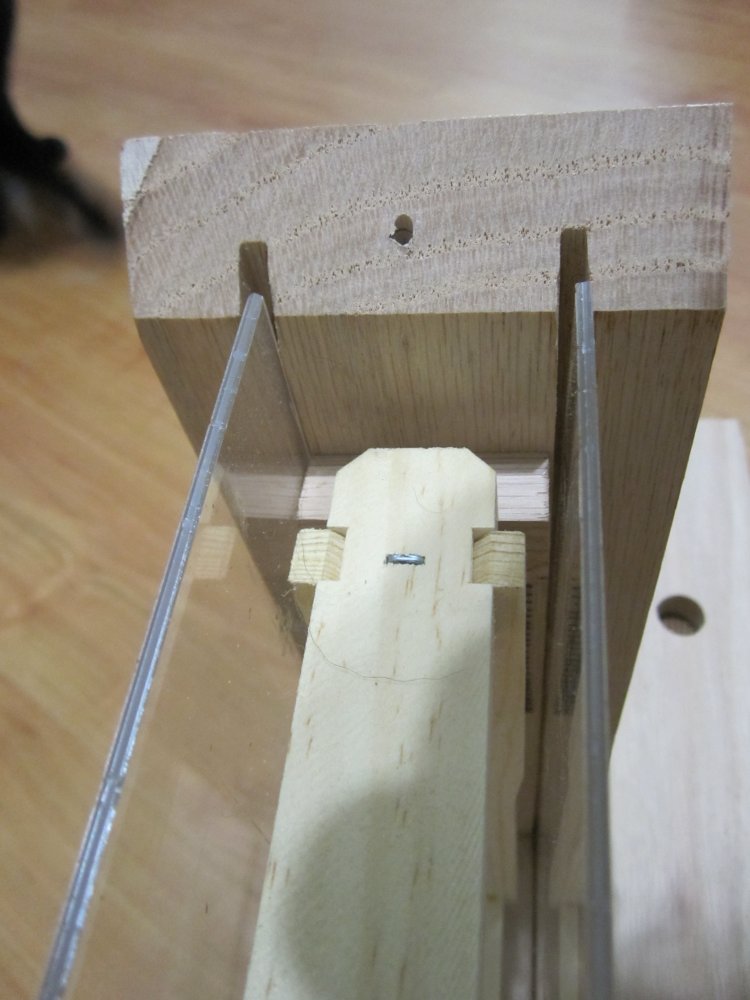
The oak wood as well as the plexi sides and the hardware were all obtained off-the-shelf from one of the big box stores (the blue/grey store if you want to know).

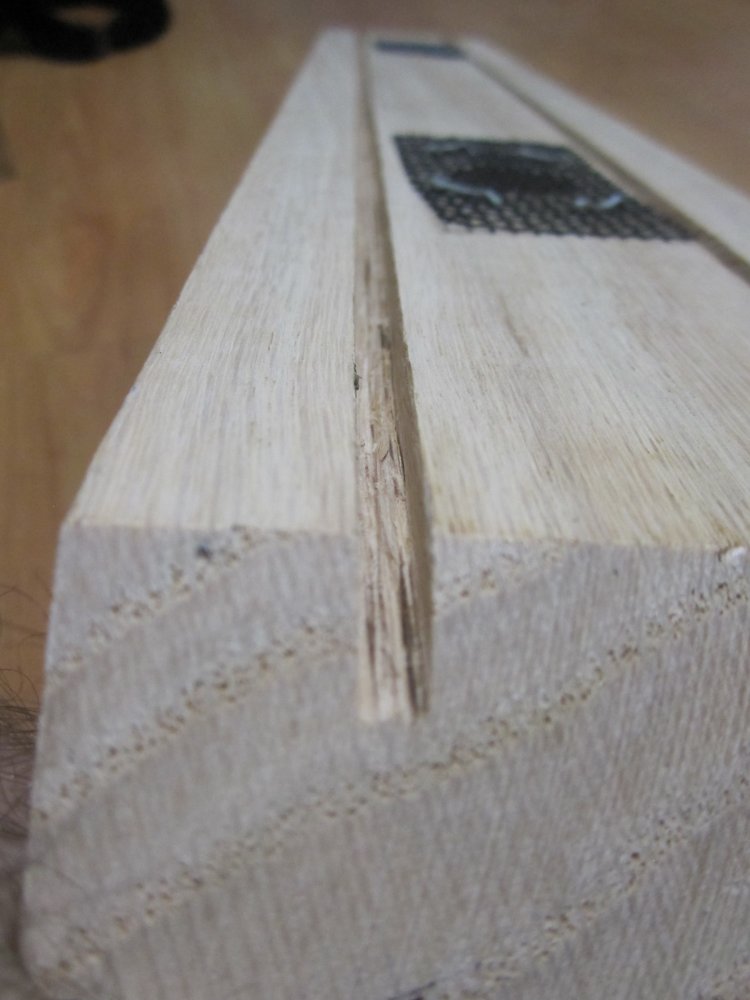
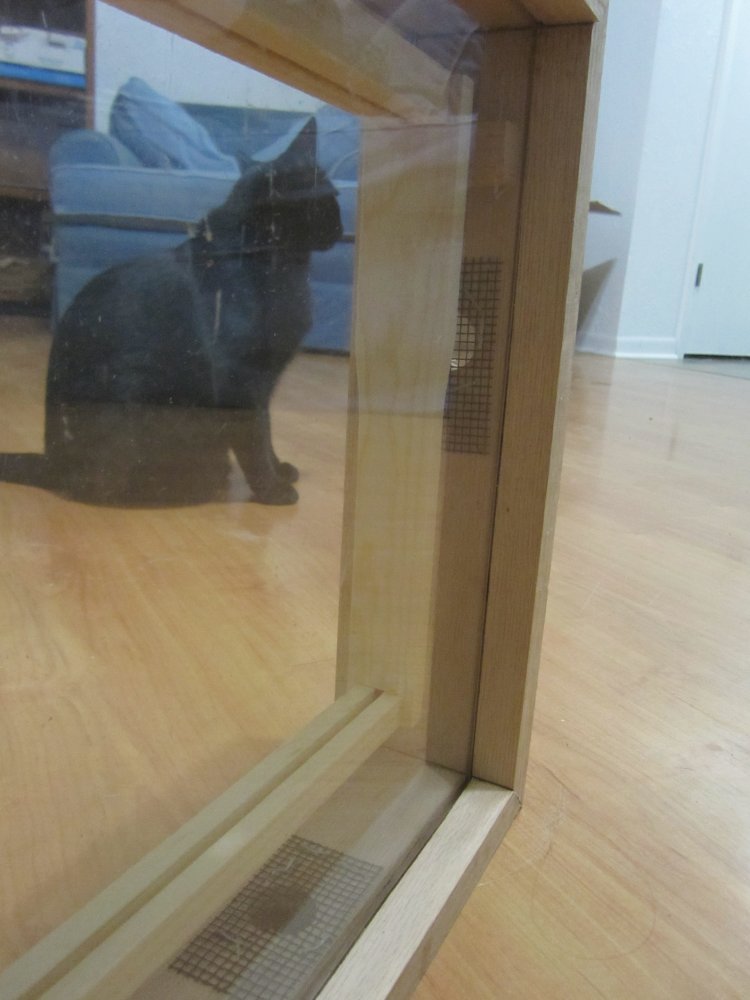
I cut the wood to length and mitered the corners to 45 degrees, and used the table saw to cut a groove for the plexiglass to sit and provide a viewing window for the bees to safely observe the humans outside without danger.  😉

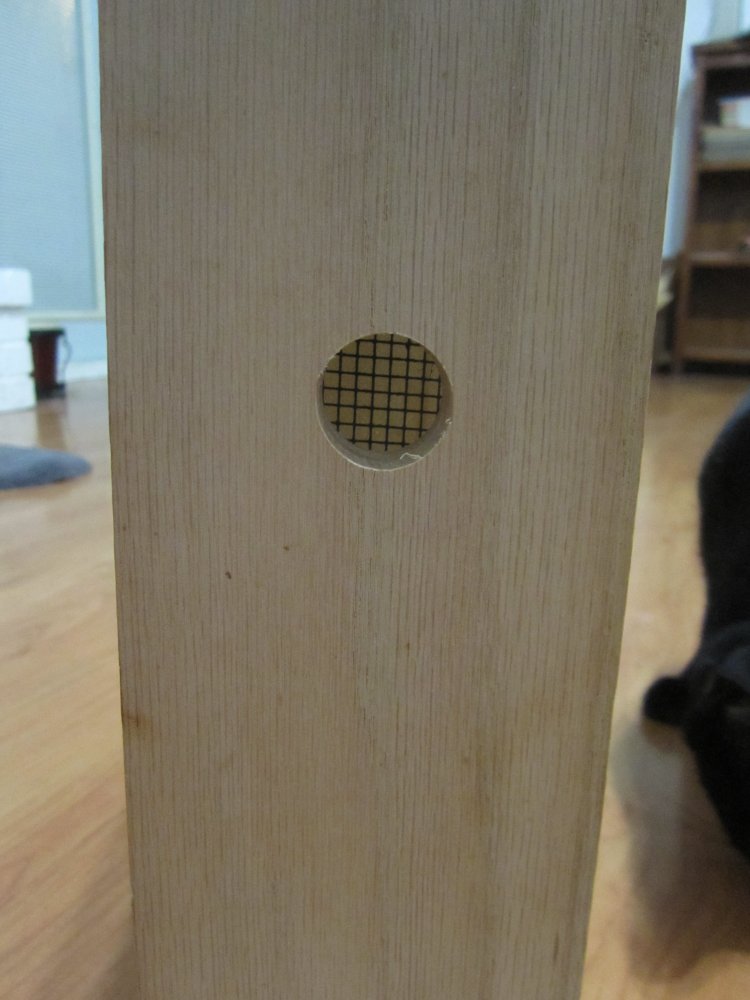
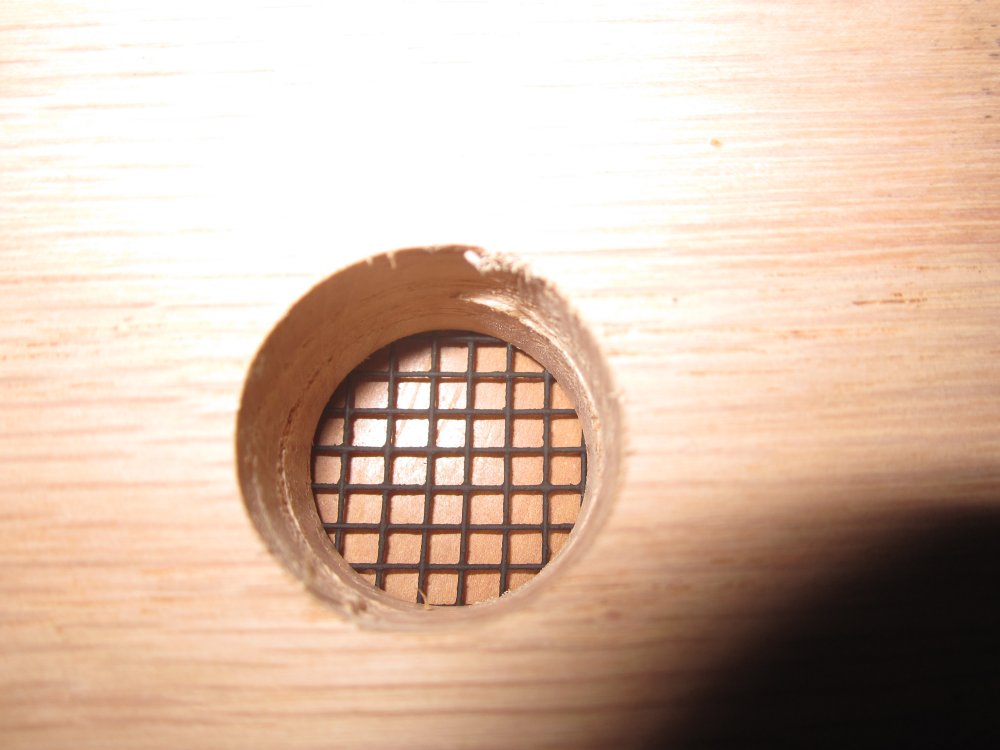
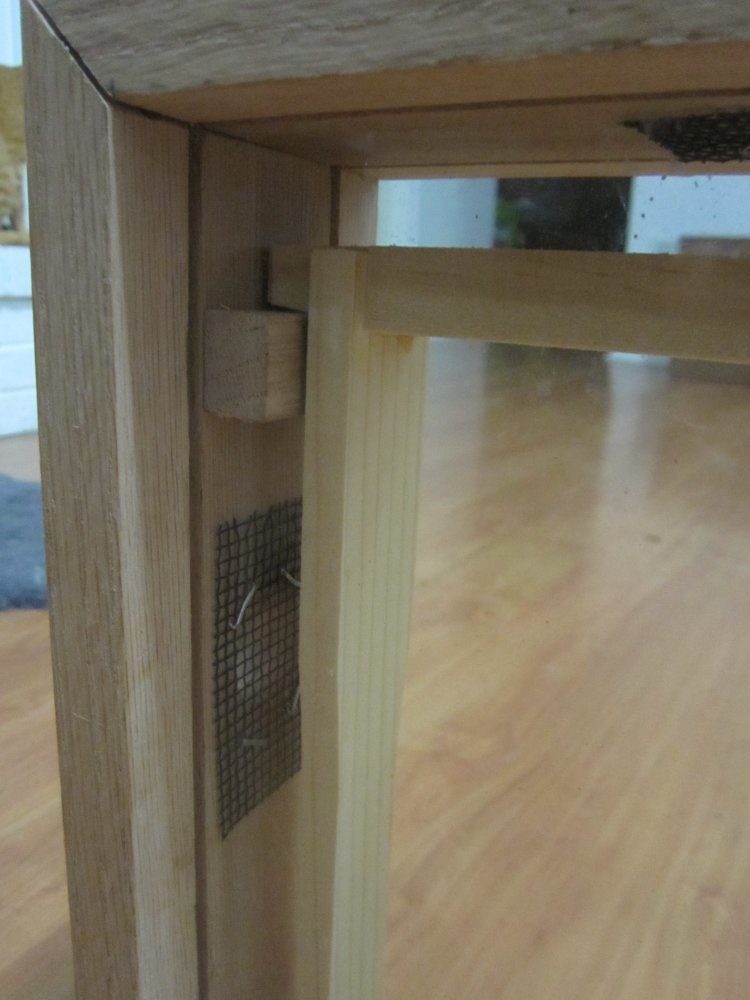
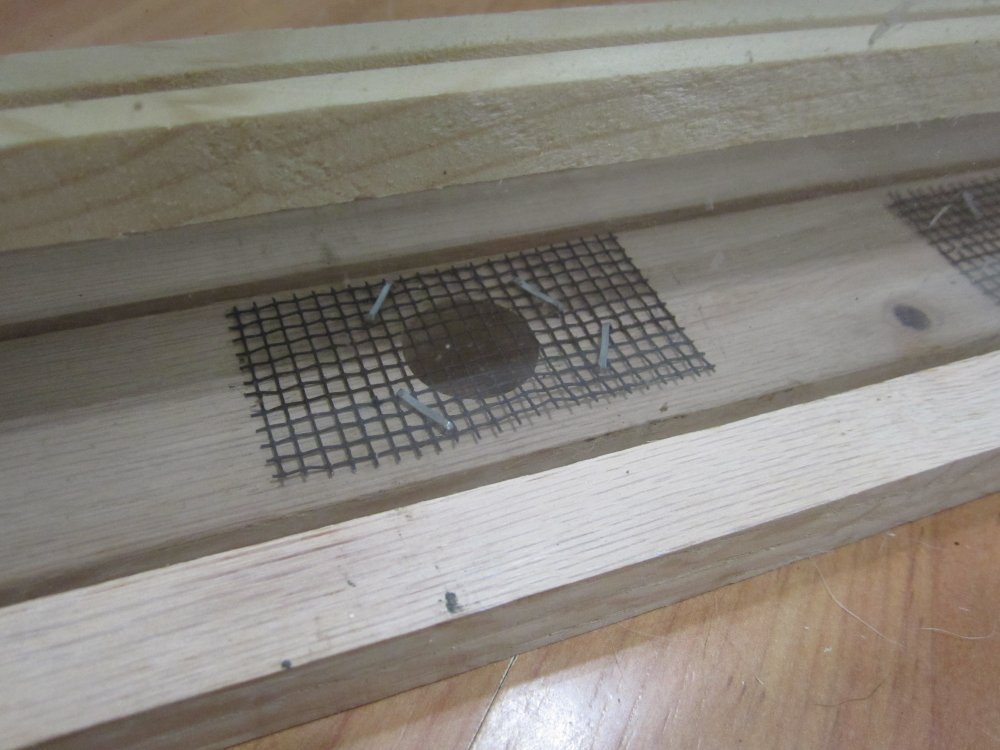
7 holes are drilled around the edges for ventilation, and screen is stapled across the vent holes.

Though you cannot see them for the burlap in the photo – there are “feet” to give a stable stand for the hive to be sturdy – and to raise the hive a bit and allow air flow from underneath.

Observation


ob_a Obs_Show ob_j ob_i ob_h ob_g ob_f ob_e ob_d ob_c ob_b


Pollinators Documentary

Below is a link to a fantastic 17 minute documentary on solitary bees (hosted on Vimeo.com).  So many more pollinators are just as vital to the health of our Earth – not just our European honeybees.

Bees Removed from Joist Space in home – Denton, TX

(Video below)

These bees had a GREAT demeanor!  They have been in the joist space for about 2 years according to the comb color and condition.

When I found the queen – I carried the comb down off the ladder to capture her in my queen cage – however she fell off the comb on the way down off of the ladder.  I sat down to review my video to see if I could figure out where she dropped off – and while sitting there in the shade under the tree – she just walked right up to me.  I grabbed her, put her into a queen cage, and continued the removal.

(background music: Shiva Shambo by Namaste’)

Canadian Bee Removal

These bees MUST be Canadian – because they are so polite! The story told by the comb is that they have been here for about 2 months, and that the queen is a fertile and well-laying queen with a solid brood pattern. Plus they are hard-working bees that are bringing in a good amount of nectar. Today’s score: Friendly Canadian Bees, removed with NO bee suit, and only lightly smoked. Found and captured the queen VERY quickly after opening the soffit

Skep Hive Transferred to a Langstroth Hive

These bees moved in to a “yard art” straw skep about a year ago.  The top 2/3 of the skep was capped honey, and the bottom 1/3 was brood comb.  The queen was found after all the comb had been removed and was placed in the commercial Langstroth hive.  The homeowner wanted to keep the bees in their yard – so I sold them the woodenware for the purpose, and labor for the transfer.


Tree House Bees

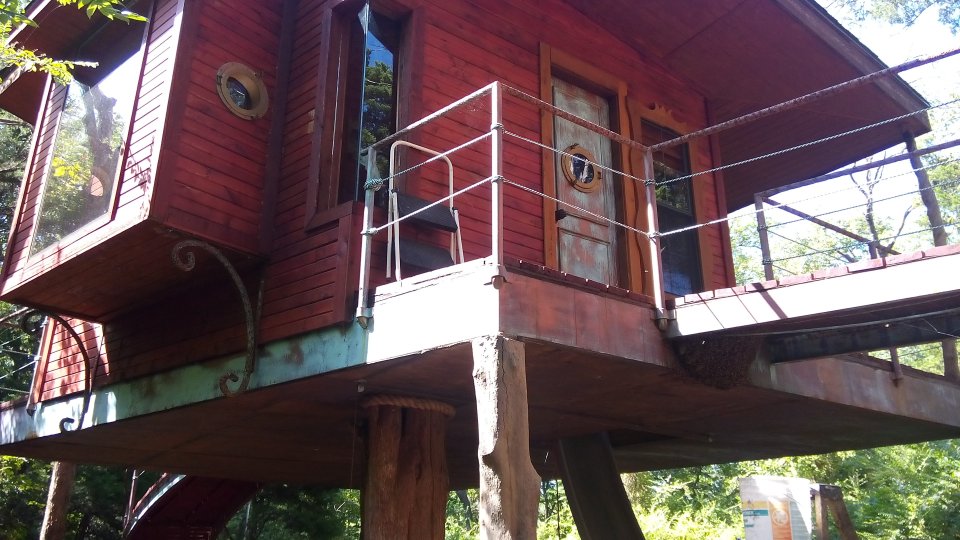
These bees look to have taken up residence at this tree house TreeHouseearly this last spring of 2015. (a) External Hive (b) Protected Hive (in joist space) (c) Hive in Column underneath the joist space hive. Queens were eventually found for all 3 removals – and the bees are recovering at the bee yard.


Compost Bin Bees – Removal – Garland, Tx

The first removal of two today.   Honeybee removal from a compost bin.  They probably have been here around 2 months from the comb condition.  Found the queen quickly, and they have a fantastic demeanor.

I leave them until after sundown, and pick them up after they have all clustered into their new home.


Bee Tree – Trapout Completion follow-up

This honeybee trapout has been completed after about 3.5 weeks.

The queen DID come out, and has joined her workers in the 5-frame box. She is laying worker eggs, and there are worker eggs, larvae, and capped brood as well as a little drone brood. Looks like a good pattern so far – though it is early in the game for her in this box.