Archives

Varroa Mite Management – in 2025 for Harmony Hollow Apiary

Probably one of the widest talked-about topics in beekeeping is that of Varroa mites.

It is now the end of August of 2025, and it seems that we as an industry are both (a) nowhere close to where we WANT to be in regards to varroa and their destruction of colonies of bees – and […]

Urgent: Nationwide Bee Losses in Winter of 2024-2025 Varroa

2-7-2025 10pm

If you have not heard – over the last month – as many beekeepers prepare to send bees to California for Almond pollination – it’s being found that the normal approximate annual attrition rate of honeybee colonies of 40% – is this year – being seen in the range of 50%-80% and in […]

Varroa and Mite Management – More important than ever

It is now July of 2022, and Varroa Destructor mites have been detected in Australia. The beekeepers there have long enjoyed their vocation (and hobby) of beekeeping without this pest, which is a known transmission vector for at least 27 destructive viruses.

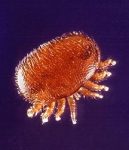
Varroa Mite

Australia’s Department of Primary Industries current action plan is […]

Ag Valuation with Honeybees

Agricultural Valuation – aka “Ag Exemption” – with Honey Bees

Do you own 5 to 20 acres? Are you interested in saving hundreds, maybe even thousands on your property taxes each year (especially by preventing rollback taxes!) ? Are you a land developer that has properties that need to maintain Ag Valuation until […]

Varroa Mite Management with your hives

Varroa mites are the latest finding in the plight of our agricultural (and hobby) European Honeybees. The Varroa Destructor is known to be a vector (carrier for diseases) for several viruses, including (but NOT limited to:)

SacBrood Deformed Wing Virus (DWV) Black Queen Cell Virus (BQCV) Nosema Apis Chronic Bee Paralysis Virus (CBPV) Lake Sinai […]

Smoking Out Bee Mites (USDA Article)

The following article was forwarded to me from a friend. It indicates that at least 20 years ago, research was being done to determine ways to get rid of the varroa mites. We now have other treatments available to us to use. And some beekeepers use methods that range from “apicentric” to the other end […]