Archives

Ag Valuation with Honeybees

Agricultural Valuation – aka “Ag Exemption” – with Honey Bees

Do you own 5 to 20 acres? Are you interested in saving hundreds, maybe even thousands on your property taxes each year (especially by preventing rollback taxes!)  ?     Are you a land developer that has properties that need to maintain Ag Valuation until building can begin – years down the road?

If so, having honey bees can help you qualify. We (Rex Smith – Harmony Hollow Apiaries and Laura Winters of Birds and the Bees Apiary) perform agriculture maintenance with our hives to land owners for a reasonable management fee. We do everything to manage and maintain the bees, and once qualified, you reap the rewards that ag-valuation provides for your property for the use of your land.

Have our Honey Bee hives to qualify for an Ag Valuation and leave the Beekeeping to Harmony Hollow Apiary.  Call Rex at 469-251-2BEE (2233) for more information and pricing.

Oct 2025 – Contact us about having bees placed in Spring of 2026 – to continue (or start) your ag history for early 2026 ag placement.   New commitment requests will be quoted and filled as livestock are available. (Do NOT Wait til April 2026 to ask about hives to be placed by April 30 – it takes time to build up the livestock for each colony).

Requests in late March through Summer will be filled as available.    State LATE deadline for 1-D-1 paperwork is April 30.
Texas law, effective January 1, 2012, made it possible for beekeeping to qualify for an Agricultural Valuation (commonly called “ag exemption” – see below) on property taxes. This is covered in the Tax Code under Chapter 23, Subchapter D, Sect. 23.51 (1) and (2).

An Agriculture Exemption is not actually an Exemption but rather a Special Valuation. If a portion or all of a property is deemed eligible to receive an Agricultural Valuation, that property will receive a Production Value along with its Market Value. The tax savings that a property receives depends on the current Market Value of the property and what type of Ag Valuation you are requesting. For example, Native Pasture areas may have a lower Ag valuation than Dry Crop areas and generally both are considerably lower than the market value that the taxes would normally be based on.  That is dependent on county.  (Some counties do not differentiate they type of agriculture activity, and have 1 rate for ag no matter the qualifying activity.  Other counties have different rates for different activities).

There are several key phrases and requirements to this law. Sect. 23.51 (1) covers the definition of “qualified open-space land”. Specifics state land that has an established agricultural use history for five of the preceding seven years. Record keeping and documentation is critical.

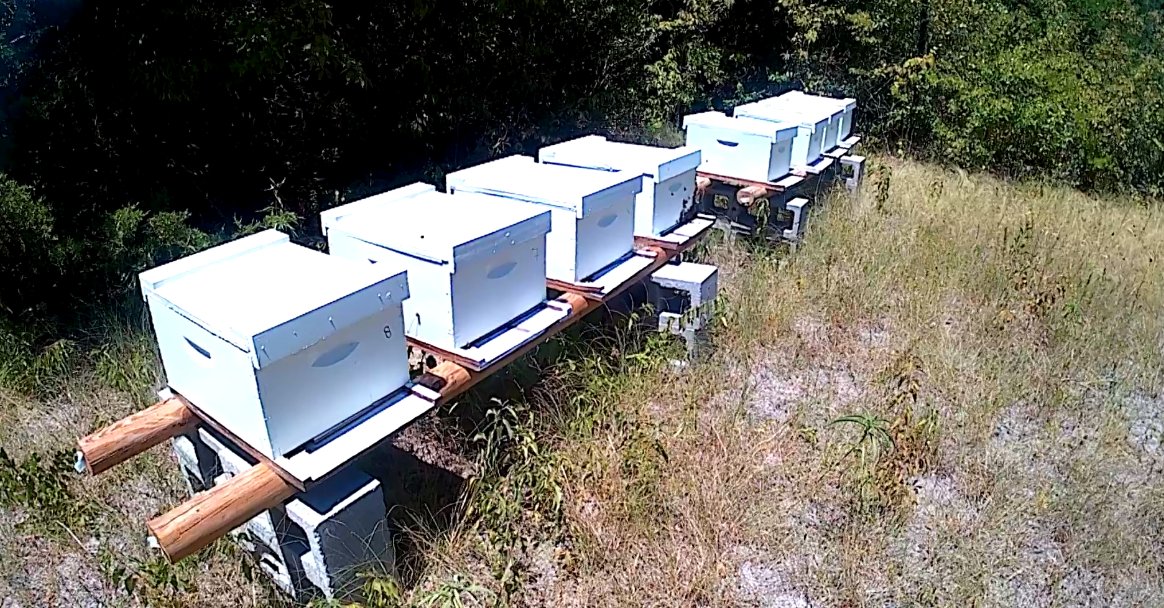
Registration and permitting with Texas Apiary Inspection Service (TAIS) helps establish this history. Wording of the law states agricultural use to the degree of intensity generally accepted in the area. Each local appraisal district sets their own standards as the accepted degree of intensity.  Most appraisal districts use a minimum of six colonies (beehives) as a standard. That is the accepted definition of an apiary from Texas bee law under the Agriculture Code, Title 6, subtitle A, Chapter 131, Sect. 131.001 (2).  (Which has just changed as of the 2023 Texas Legislative session- as they removed the number of hives definition).
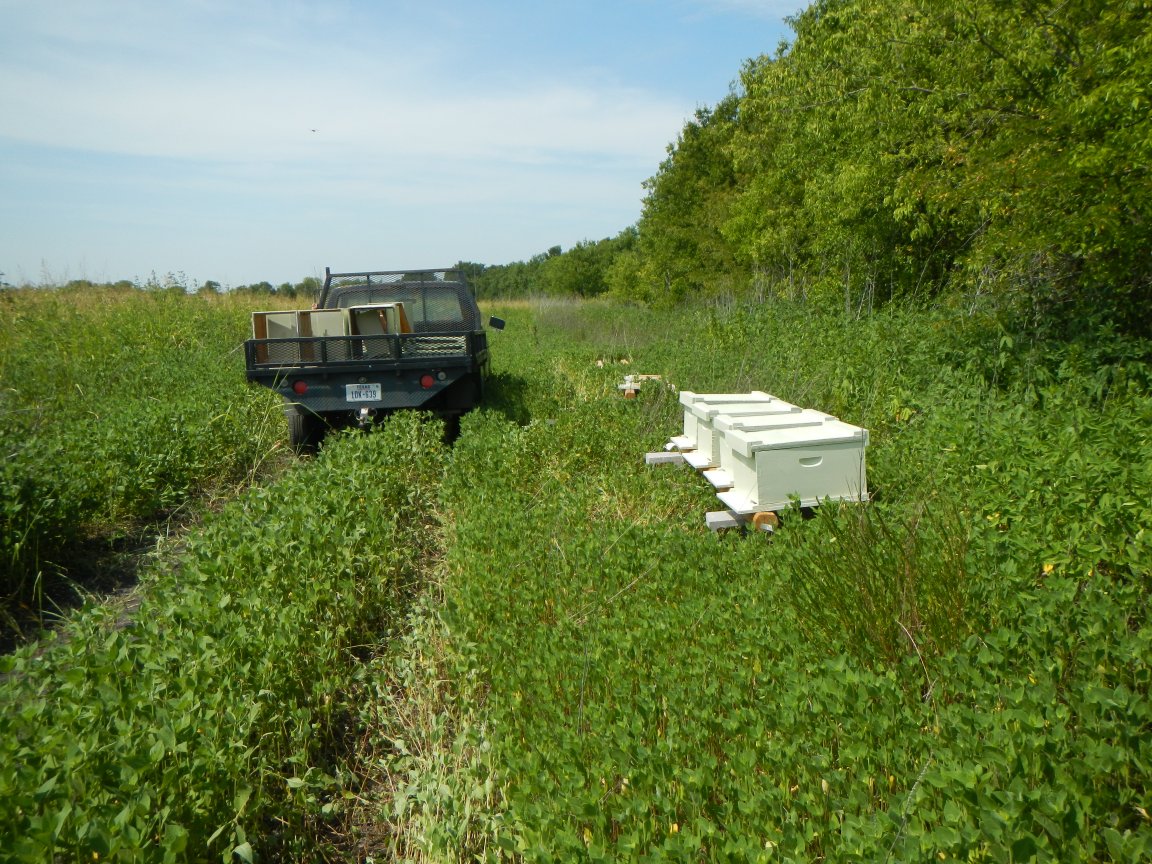
Size of qualifying acreage is not less than 5 or more than 20 acres. Remember the definition of agriculture use. Losing an acre to a homestead exemption has to be accounted for on acreage. (check with your appraisal district to be sure, though -as I have heard of counties allowing the full acreage without removing an acre for the home)

Also, realize the landowner does not have to own the bees (except Rockwall County). You may hire the maintenance of bees from a beekeeper who owns the hives.    Again, keep accurate and complete records. The wording of the law states “the use of land to raise or keep bees for pollination or for the production of human food or other tangible products having a commercial value.”

Lastly, it is important to stress the fact that each local appraisal district can set their own standards and requirements for the beekeeping valuation. Please contact your local appraisal district for guidance and minimum requirements.   Some counties may want to see a copy of a bee maintenance agreement or land access agreement as part of your documentation before coming to evaluate your property for ag valuation.  Some require a special report be submitted annually.    Most county appraisal districts now have this information available on the county appraisal district website.
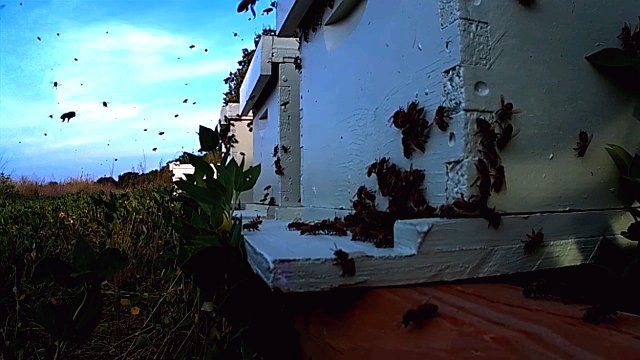
Benefits include:

  • Professional management and maintenance of beehives on your property
  • Annual Beekeeper Registration through the Texas Apiary Inspection Service (TAIS)
  • Pollination for your property
    Contributing to the welfare of the honeybees
  • Annual Report listing harvested (and non-harvested if applicable) tangible products with commercial value.
  • Qualifying requirements for Harmony Hollow Apiary management include:

The site must be suitable for bees and provide the necessary elements for bees to thrive. A complimentary site visit will be scheduled for prospective clients.  A   Honeybee Management Plan is included – and lists expectations of flowering plants that the landowner should seed or plant – for the benefit of honeybees and ALL other native pollinators.

Harmony Hollow Apiary must have unrestricted access to the location of the hives at all times.  (For locked properties – I can/will provide a lock to add to your chain of locks on a gate – or you can provide me with a gate code)

A 2-wheel drive vehicle must be able to access the area where the hives are located and park no further than 10 yards from the hives’ location.

Harmony Hollow Apiary reserves the rights of ownership to the bees, the equipment, and the products of the hives.

Honeybee Management Plan

Pollinator Plants for Texas I HIGHLY recommend having a food-plot on your land for producing food for human consumption.  This helps and is in the spirit of the law allowing bees as a livestock in Texas as the pollinators for those plants.

Apiary Registration: As of 1 Sept 2023, Texas Apiary Inspection Service will no longer process “Apiary Registrations” – that has been changed in the last legislative session to “Beekeeper Registration”. The property owner can register as “the beekeeper”, or the beekeeper (if hired) can register as “the beekeeper” for the property. I personally register annually – and can list your property under my registration. The appraisal district MAY have upcoming guidelines listing who THEY want to see listed (either property owner, or hired beekeeper). That registration is NO LONGER FREE. It is now $35 per year.

https://txbeeinspection.tamu.edu/

For areas where you OWN the hives – You may need to pay the TAIS their fee ( $10) for them to issue a “brand ID number” to you.  (Otherwise – mark the hives or the apiary with an identifying name/contact info – which is perfectly acceptable to law enforcement or TAIS)

For hives that Harmony Hollow Owns – our ID number is marked on the equipment.

Your county appraisal district will have the 1-D-1 Application for you to fill out for ag use of your land.   Note:  Placement and management of hives on your land is NOT a guarantee that the appraisal district will approve ag valuation for your property, nor is it a guarantee or a promise that there will be a honey harvest in any given year.

We are based near the Dallas, Texas Metroplex. However, we cover a large portion of North and East Texas. Contact us to reserve bees for your property.

Registered with Texas Apiary Inspection Service, Department of Entomology, Texas A&M University.   Copy of past transport permits for Harmony Hollow Apiary are available here:   http://www.bohemianutopia.com/permits/ (Note – as of Sept 1 2023 – There are no longer intrastate transport permits issued by TAIS).

I also recommend putting up a sign to warn people about the dangers of agribusiness (farm animals – which includes bees).   Harmony Hollow has signs for locations where we own the bees – and signs are available at a cost of $20ea for locations where the property owner owns the bees)

Update – December 2024

Harmony Hollow and Birds and the Bees Apiary also offer services to build and maintain areas of food production – as Texas Property Tax Code also mentions that:

“Agricultural use” includes but is not limited to the following activities: …

… “producing crops for human food” …

“The term also includes the use of land to raise or keep bees for pollination or for the production of human food or other tangible products having a commercial value, provided that the land used is not less than 5 or more than 20 acres.”

Consultation and/or installation:

  • Wildflowers to seed the property
  • Trees that benefit both pollinators as well as humans for food
  • Garden Plots for “Producing crops for human food”

Pollinator Plants for Texas

Sometimes – it’s necessary to have a fence surrounding the hives – to protect the bees from other livestock ( cattle, horses, goats, shep, etc) – or from humans.   Click this link to a page with some sample fencing that my customers have provided – along with a sample of an effort that did not work so well:

Fencing the Bees

North Texas County Ag Valuation Requirements

Varroa Mite Management in 2025
Scientific Beekeeping – Varroa

Newsletters

North Texas County Agriculture Valuation Info

While state law codifies that acreages of 5-20 acres of open space can qualify for ag valuation with Honeybees, there are some caveats that give each county discretion to adjust other factors.

All: 

Qualifying Acres are 5-acres to 20 acres.   

Texas Tax Code: Subsection D states:

The term ( Agricultural Use) also includes the use of land to raise or keep bees for pollination or for the production of human food or other tangible products having a commercial value, provided that the land used is not less than 5 or more than 20 acres.

We HIGHLY recommend that each qualifying plot of land using bees for ag valuation – have some sort of food plot that can be documented to satisfy the above requirement.   Photos of food plots, gardens, fruiting trees and plants, etc. will help your appraisal district documentation.   Use this as additional documentation – as North Texas may or may not have a honey harvest – depending on available forage for the bees.

Be sure to check at least annually to see if your county appraisal district has changed any requirements


Collin County

  • Collin CAD
  • 5 Acres = 6 Hives.  For each full 2.5 acres over 5, add 1 hive (12 hives total for 20 acres)
  • Annual Beekeeping Questionnaire Required to Appraisal District
  • Time:  Unlisted by appraisal district – presumed 12 months

Dallas County

  • Dallas County Appraisal District
  • Beekeeping qualifying References are highly unmentioned as of early 2025 website
  • 5 Acres = 6 Hives.  For each full 2.5 acres over 5, add 1 hive (12 hives total for 20 acres)
  • If bees are off property for a time that disqualifies ag – in a city limit – all ag 5-year history must be re-started.   Outside of a city limit, 5 of the last 7 years of documented history qualifies
  • Time:  Unlisted by appraisal district – presumed 12 months

Denton County

  • Denton County Appraisal District
  • 5 Acres = 6 Hives.  For each full 2.5 acres over 5, add 1 hive (12 hives total for 20 acres)
  • Annual Beekeeping Questionnaire Required to Appraisal District
  • Time:  Minimum of 7 months of the year

Hunt County

  • Hunt County Appraisal District
  • 5 Acres to 12 Acres = 6 Hives.  For each full 2 acres over 12, add 1 hive (10 hives total for 20 acres)
  • Time:  Minimum of 7 months of the year

Kaufman County

  • Kaufman County Appraisal District
  • 5 Acres = 6 Hives.  For each full 2.5 acres over 5, add 1 hive (12 hives total for 20 acres)
  • Time:  Minimum of 7 months of the year

Rockwall County

  • Rockwall County Appraisal District
  • 5 Acres = 6 Hives.  For each full 2.5 acres over 5, add 1 hive (12 hives total for 20 acres)
  • Landowner MUST be the owner of the honeybee livestock and equipment
  • Time:  FULL 12 months of the year
  • TAIS Beekeeper listing documentation required (I maintain the listing for my clients – as TAIS charges $35/year for registering a beekeeper).   A screenshot of the listing is provided to my clients.


Sources:

Texas Agriculture Code

Texas Tax Code


Pesticides – Death and destruction to bees

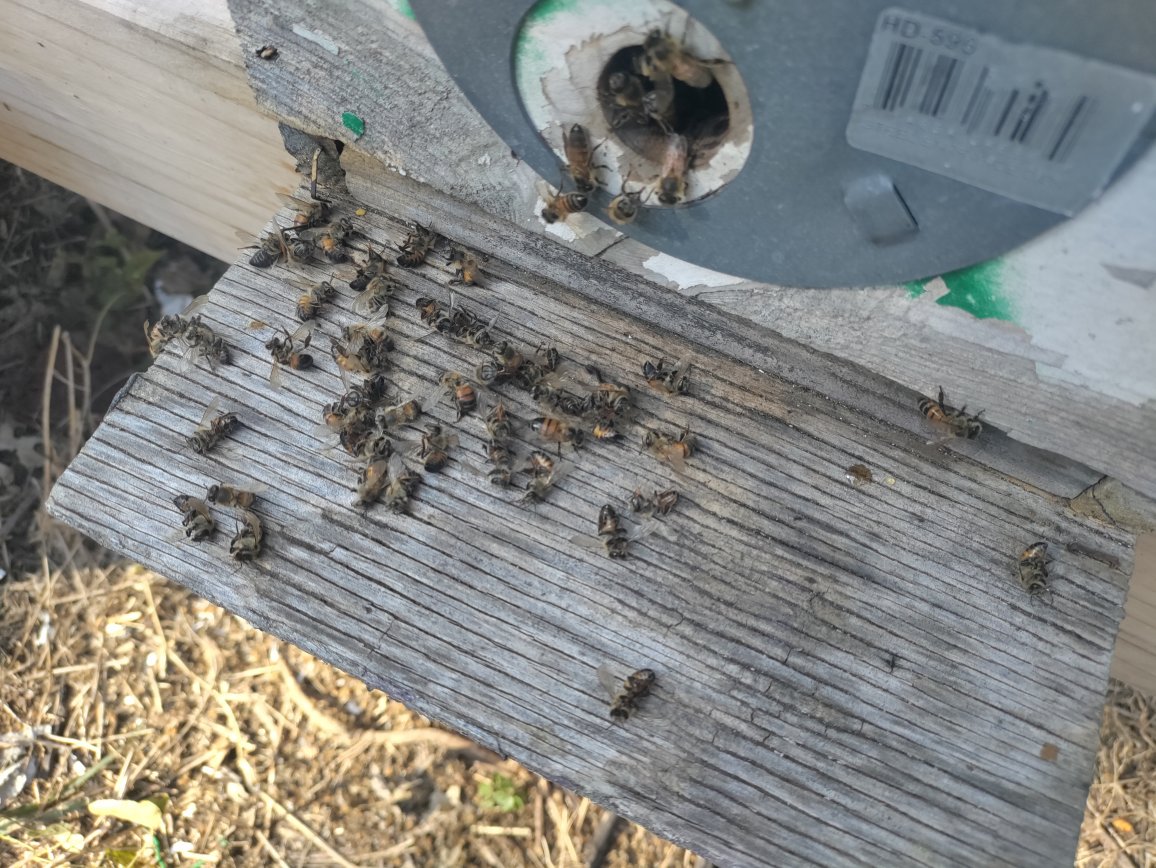
This week, in my personal back yard – I have experienced a fairly fast die-off of 5 colonies.   These bees were here simply for the purposes of building them up to be strong, so they could be placed onto agriculture contracts.

Usually, I’ll give a build-up and background before I tell the meat of what’s in a story.   Not this time.   I contacted a friend whom I have worked with in the past who is in the pest-control industry – whom works for probably the largest company in America for pest control.   I told him the symptoms I observed, and that is was across all 5 colonies in the same yard… and he had a quick diagnosis – that he feels 99% sure about.

Termidor ( with fipronil ).   Termidor is a wide-spectrum target pest control that targets insects that groom each other.  The powerful poison is intentionally NOT a “repellent” – so the insects get it on their bodies, and carry it home, to be groomed off of them.  The grooming activity affects their groomers.. and it quickly is passed around to all the bees in the colony, including the retinue of bees caring for the queen.

Termidor is used as a pre-construction ground drench for new construction homes and buildings.   While there are a LOT of new construction areas in North Texas, I don’t feel like that’s the case in the 3 mile radius around MY home.    There are, however, a LOT of established neighborhoods that were built in the 1970’s,

Termidor is also used in standard household (and commercial buildings) – because of it’s transportability to the entire colony.   If a neighbor within flight range has a pest (bee) problem – and the pest control operator uses Termidor – then the colony there dies… but SO DOES EVERY COLONY THAT HAS BEES THAT COME TO FORAGE ON THE LEFTOVER RESOURCES IN THAT TREATED COLONY!  The same results happen if blooming plants (i.e. Crape Myrtles) are treated with insecticides while wanting to target mosquitoes or other “pests”.   Fipronil / Termidor is an indiscriminate killer.

My buddy is 99% sure this is what happened.   He has spoken with another beekeeper this year in a rural area that has new construction going in – and they experienced 3 colonies dying with a 21-day period after ground work started for new neighborhoods to be built.

Dead bees on the landing board

Dead bees on the landing board

What I experienced….

When I wake – generally between 4am-5am, I’ll turn on the kitchen light to start the coffee maker.  Usually, bees see the kitchen light, and fly from their woodenware hive bodies in my back yard – to the kitchen window to try to get in – thinking the light they see is the sun.

This week – there’s been an absence of that activity.   After making this morning’s rounds to customer locations this morning with Laura, I decided to open up a couple of hives to see what’s going on “In the hive” in my own back yard.

Devastated.   That’s all I can say on the matter.

All 5 colonies have a handful of dead bees on their landing-board.   A hand-full of dead bees on the bottom boards inside the hive.    Emerging brood that never made it out of their pupation cells, some previously emerged adult bees crawling around, bodies trembling / jerky – as if they had some neurological problem… No queens.

These 5 sets of woodenware.  Boxes, frames, foundation, bottom boards, and lids – will all be put into the burn pit.

There’s a LOT of feelings and emotions I’m feeling today.

Following significant concerns about bee populations, the European Union and other countries have restricted or banned the use of fipronil in agriculture.     The USA / EPA / USDA needs to follow suit.

September 2025 Newsletter

September 2025 – Newsletter:
(Laura Winters – Birds and the Bees Apiary)

Rex and I are still making 1st and 2nd rounds of Apiguard to our north-western clients (Denton county and western Collin County). While making our rounds to the colonies that have already been treated, we are removing shims and noticing increased laying pattern from the queens. Populations are increasing and getting geared up for Winter.


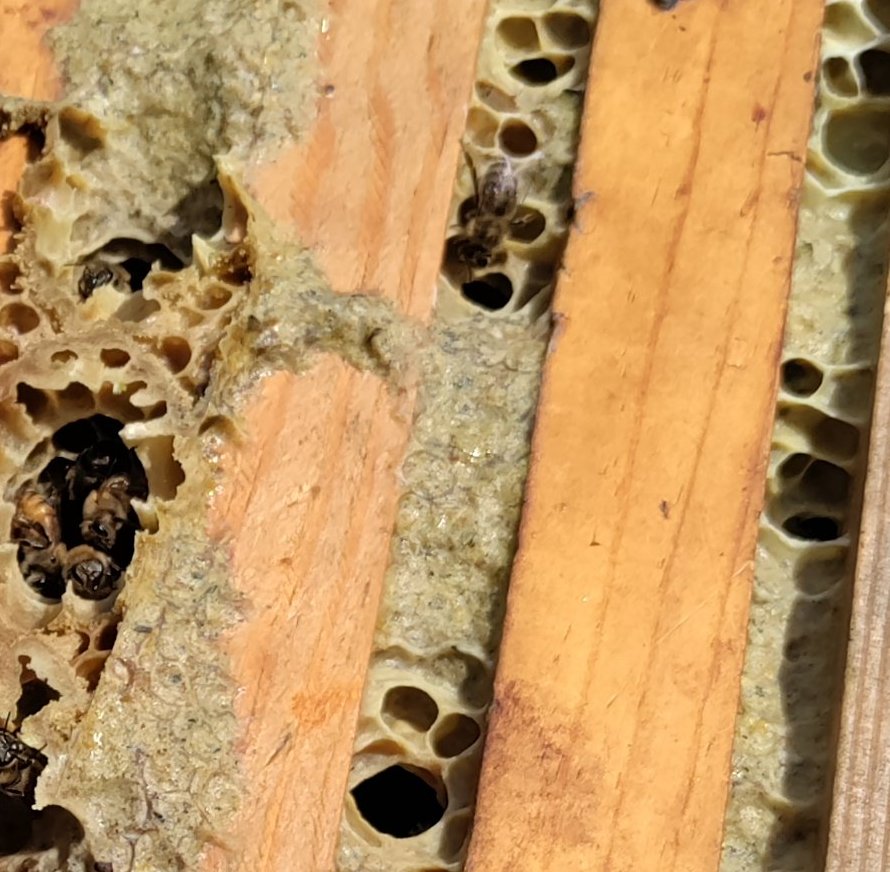
Propolis - Close up

Propolis – Close up

We are also noticing an abundance of propolis being produced by the honeybees. Propolis is a “bee glue” that the bees produce from sap, resin, and other organic compounds. It is known as the hive’s immune system. This antimicrobial coating is spread throughout the entire colony but is especially noticeable at entrances and gaps and cracks to seal everything before cooler temperatures. As some beekeepers like to harvest this substance and produce medicinal tinctures from it, we are mindful to leave it for the honeybees for a healthy colony. The minimal amounts that we do harvest, we typically take small quantities in the spring time for human consumption and medicinal practices.


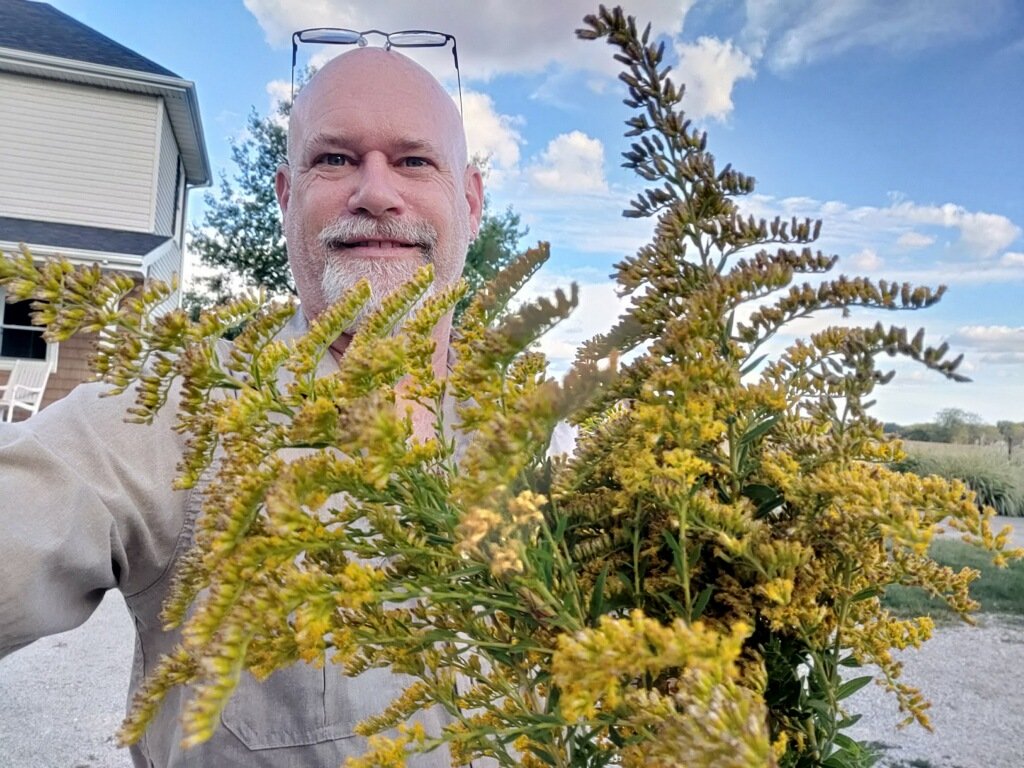
Goldenrod Flowers

Goldenrod Flowers

While making rounds to colonies who have already been treated, we are giving supplemental feed to the ones that have little to no food from Summer dearth. Surprisingly, we have also been adding extra space to colonies who are bringing in extra nectar from the Fall flow. What is a Fall flow? A Fall flow is the late season period where strong nectar and pollen sourced flowers provide extra forage for honeybees and other pollinators. These flowers include goldenrod, asters, snow on the prairie, and more! The Fall flow isn’t in full swing yet, but we are noticing the stronger nectar sourced flowers blooming from early unexpected rainfalls. Depending on the duration of the flow and how heavy it is will depend on if we have a fall honey harvest. The darker Fall honey is typically a more robust flavored honey with more antioxidants than the typical Spring honey. However, our number one priority is leaving an abundance of honey for the colonies to have a successful Winter.


As the shift in season and temperatures occur more and more you’ll notice some changes if you’re watching your colonies from the outside. You’ll be noticing a bit less bearding and more foraging. It’ll look more “busy” and if you look closely you’ll see honeybee foragers flying home with pollen. . . And lots of it!! You’ll also notice one of the beautiful wonders of orientation flights. As the colony’s populations start increasing and picking up from dearth, you’ll see more and more orientation flights as it were Spring time. Orientation flights consist of female honeybees emerging from their colony for the first time. As they come out they fly in figure 8 patterns right outside the colony to familiarize and memorize what “home” looks like. Once the orientation flight is completed, they can begin their adventures of foraging!!


Varroa Mite Management – in 2025 for Harmony Hollow Apiary
Probably one of the widest talked-about topics in beekeeping is that of Varroa mites.


It is now the end of August of 2025, and it seems that we as an industry are both (a) nowhere close to where we WANT to be in regards to varroa and their destruction of colonies of bees – and we (b) are making headway in several directions for managing and mitigating the problems associated with Varroa.

In my looking at our industry – there are at least 2 schools of thought.  One school says that natural selection is the best method, and that bees resistant to (or hygienic to) varroa are the only way.     The other school of thought – is that we need to focus on killing (or managing) the mites that are killing our bees.

The quandary, to me, is that both schools of thought are correct.  And for a time – need to exist parallel to each other – to satisfy our current agricultural needs – as well as the long term solution of having a variety of genetic lines of bees that handle the problems varroa present.

There is no question at all that for long-term… better genetics is the answer.   Several initiatives worldwide are working on breeding and cross breeding queens with genetics that have measured and known levels of mite management.

This article will address the hive management for Harmony Hollow – and the bees Laura and I manage for clients.

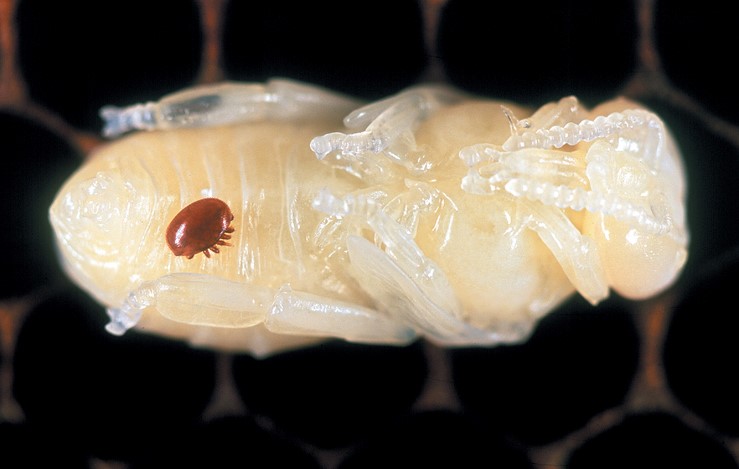
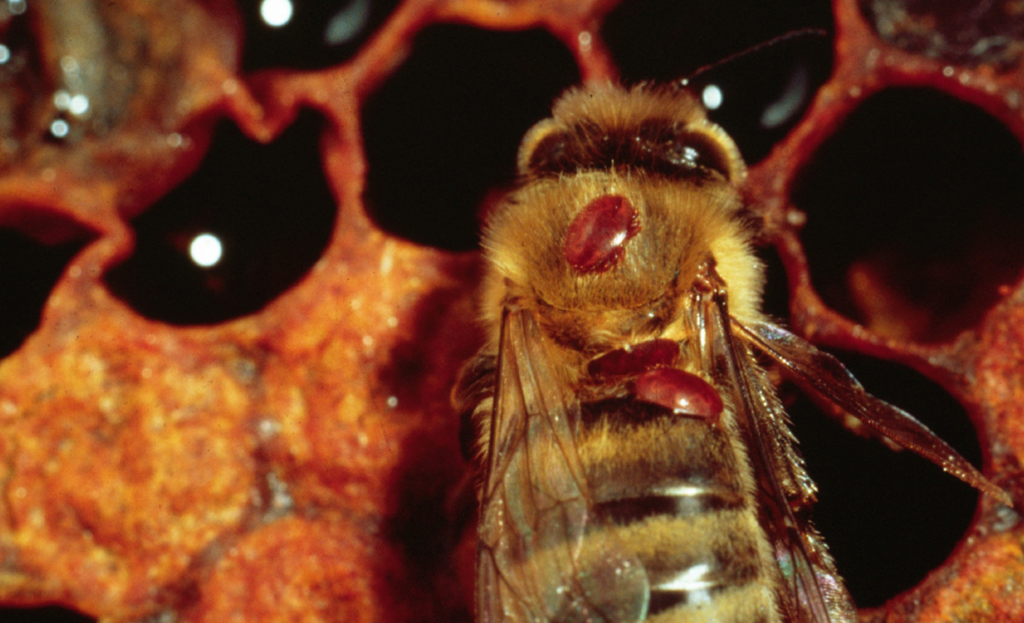
Varroa Mite Reproduction – Adult varroa on developing pupa. Photo credit: Dennis Anderson

I have a few other articles that I will link to – that explain some of the diseases carried, and remedies unfortunate to other continents that have just begun to deal with varroa.

July 2022 – Varroa and Mite Management – More important than ever

July 2018 – Varroa Mite Management with your hives

One consensus by those in the industry that are doing research and putting their bees to the tests in the field ( such as Randy Oliver of Scientific Beekeeping and Bob Binnie of Blue Ridge Honey, and so many others!) is that at least 2 methods of dealing with mites – are showing best results for dealing with the mites.   An impactful method that knocks the mites back.. and a 2nd method that is a long release to help maintain the low levels of mites.

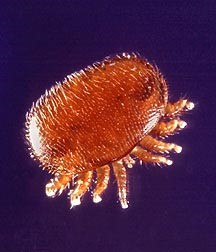
Varroa Mite

In other parts of the world, we have learned to deal with varroa with several methods.  Chemical, Environmental, and Genetic shifts are currently being employed.    Of these – so far – there is no “Magic Bullet” that eradicates the mite completely…

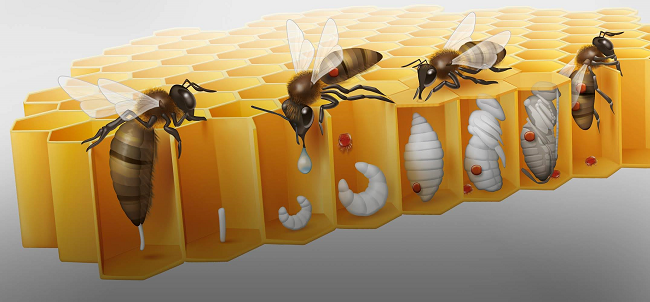
When we are managing and inspecting the hives – Laura and I take note of population, brood patterns, overall behavior of the bees, food stores, eggs and pupae, whether brood appears to be in active uncapping mode (where workers may uncap brood that had been capped – presumably to deal with brood that may have an off-scent to it – and possibly have varroa or varroa frass in the cells with the pupae.   When observing bee behavior – I have occasionally seen colonies of bees that seem unable to move on the frames – and sit on the frames – just shaking.   Likely a symptom of acute bee paralysis.   Occasionally – we will also observe more readily seen symptoms – such as deformed wing virus – where the wings on the bees are shriveled, and keep the bee from ever flying.  Both are single-strand RNA viruses that quickly cause the downfall of a hive that weeks prior, may have appeared strong and healthy.

Chemical treatments may include: (but no limited to)  Apivar , ApiGuard, Formic Acid (Formic Pro, etc) , Oxalic Acid in various forms (liquid drizzle, vaporized gas, blended with glycerine onto sheets, etc.   Laura and I are employing the use of Apiguard for our hives in 2025.    In August and September of 2025, we are applying a Microdose at a rate of 12.5g of Apiguard per hive dose – administered 2 times – after a 10-14 day waiting period.    Apiguard is a Thymol-based product -which is in a gel-like carrier, and has a smell not unlike menthol.

After the Apiguard carrier pads are removed from the hives when the 2nd round of Apiguard treatment is complete – I am administering a second method – a long-release Oxalic Acid (OS) strip that has 10g of OA in a food-grade glycerine carrier on the strips added to the hives.   This method does not necessarily knock back the populations of mites – however, it has been proven to hold populations steady  ( best when applied when mite populations are at lowest levels)

Varroa Life Cycle – photo credit Bayer @ researchbayer.com

Genetic Shifts include the raising and reproduction of queens and colonies that have true Varroa Sensitive Hygiene (VSH).   VSH was first described as being behavior in which the bees groomed the mites off of each other.  This, while nice, doesn’t necessarily mean the bees are performing significant changes to their internal health & hive cleanliness.   True VSH behavior has since been found in colonies that sense a difference in the developing honeybee pupae.  They can sense (by smell) a cell that has varroa inside – and will uncap the pupating larvae – remove it (and the attached mite(s) feeding and reproducing on the body of that developing bee, and throw it out of the hive.   Hygienic Behavior at it’s finest.    While this does not kill the mite immediately – it allows the bees to deal with the mites that exist in their natural environment, and toss them out the front door to die outside of the hive with the discarded pupae.

Laura and I keep a keen eye out for bee colonies that seem to do well with the impact of mites – and use those queens to supply eggs for raising queens that seems to have better predispositions to varroa hygiene.

Queen breeders and researchers around the world have been working on developing lines of genetics that have this behavior.  Arista Bee Research – based in the Netherlands works with and provides scientific methods and metrics for queen breeders and beekeepers internationally to report findings from their queens, then produce queens from those lines, and continue to take metrics, and provide a supply of queens from various producers that can handle existing with varroa and managing the colony because of that varroa.

Breeders toughen up bees to resist deadly mites

I urge beekeepers to know the status of their hives and varroa level – or if you are NOT taking mite counts – keep a keen eye on the health of your bees.    When varroa increase their population – we see it’s effect in the hive in the form of changed behavior, absconds, expression of disease symptoms (i.e. Deformed Wing Virus ‘DWV’).     In our own personal experience – we have witnessed hives with LARGE populations that we were proud of – disappear altogether.   Food consumed (not necessarily robbed) – and the bees absconded – for no apparent reason.  Occasional mite counts time may give an insight to what happened.

Use a method to see what your mite-load is in your hives.   Randy Oliver of Scientific Beekeeping has articles on performing mite counts.  See here:  Mite Wash Counts and Refining the Mite Wash

For me – the immediate use of Apiguard, as well as the OA glycerine strips – as well as a shift in queen genetics (and my own rearing of those genetics) will be my long-term plan.   We would LOVE to get away from needing to chemically treat – and when the genetics offers a solution – we will make that shift.


29 Aug-2025

August 2025 Newsletter
Laura and I have made rounds, now that hot temperatures are here – to add beetle traps to each colony.   The high humidity this spring / early summer has made the hives a favorable place for small hive beetles (SHB) to lay their eggs.   The larvae from the beetles consume proteins from pollen, as well as the carbohydrates from nectar to prepare themselves for pupating.    It becomes easy for a colony to become overwhelmed with the beetle larvae in a very short period of time.

A secondary effect of having high humidity this year – is that the nectar the bees brought in during the cooler temperatures – has a HIGH water content.   The bees typically don’t cap the cells of nectar until they have dehydrated the nectar down to 15% to 18% water.   It comes in from the flowers at about 80% water.   Reports from many of my fellow beekeepers this last week, have been reading of 22% water content and higher.   What this means – is that the bees have plenty of food for their consumption – however they have not made honey from the nectar they brought in.   For 99% of my hives this year – I am choosing to leave them with their nectar through the summer – this reduces for a few weeks/months the time that we need to feed the bees sugar syrup.

First and second applications of mite treatments are also being made early this month in Dallas, Rockwall, Hunt, Kaufman and far east Collin counties, and late in the month (and into September) in Denton, western Collin, Kaufman, and Van Zandt counties . We are using a product called Apiguard, which is a Thymol-based commercially made mite treatment. We apply this several times on a schedule to help keep the reproductive mites at bay – when the bees are starting to decline their populations because of the lack of natural forage now that summer is fully here.

Laura and I have also noticed MANY instances of fire ants inside colonies.  This is a first for us – and we are researching appropriate treatments – as in some cases – the fire-ants have caused the colonies to either abscond, or die out.

We are also checking to see if the colonies need supplemental feeding with sugar syrup provided directly into the hives – if they had not found enough resources (nectar) to store during the springtime.

I’d like to also pass along a reminder that if you are inclined to add wildflower seeding to your fields, this is the time to start planning that – and getting your seeds – and to sow them as we approach fall/winter – for winter/spring growth and blooming in spring/summer of next year.

A good (yet verbose) set of seed sowing guidelines is here:

https://www.wildseedfarms.com/pages/planting-instructions   ( Under the tab of “How do I sow my Sunflower Seeds: )

The biggest takeaway from the above link – is that simply broadcasting seed – will likely have a disappointing return on your investment of seed.  Less than 1% germination rate that way.  The seeds need to touch soil and be very lightly covered for the highest germination rates once the fall/winter rains come back.

Pollinator wildflower mixes are available from companies such as:

Turner Seed (Breckenridge TX)              https://www.turnerseed.com
Native American Seed Co.                        https://www.seedsource.com
American Meadows                                   https://www.americanmeadows.com
Bulk Seed Store                                          https://www.bulkseedstore.com

and Google turns up many other suppliers as well.

Rex Smith  and Laura Winters
Harmony Hollow Apiary
469-251-2BEE (2233)
HarmonyHollowBees@gmail.com

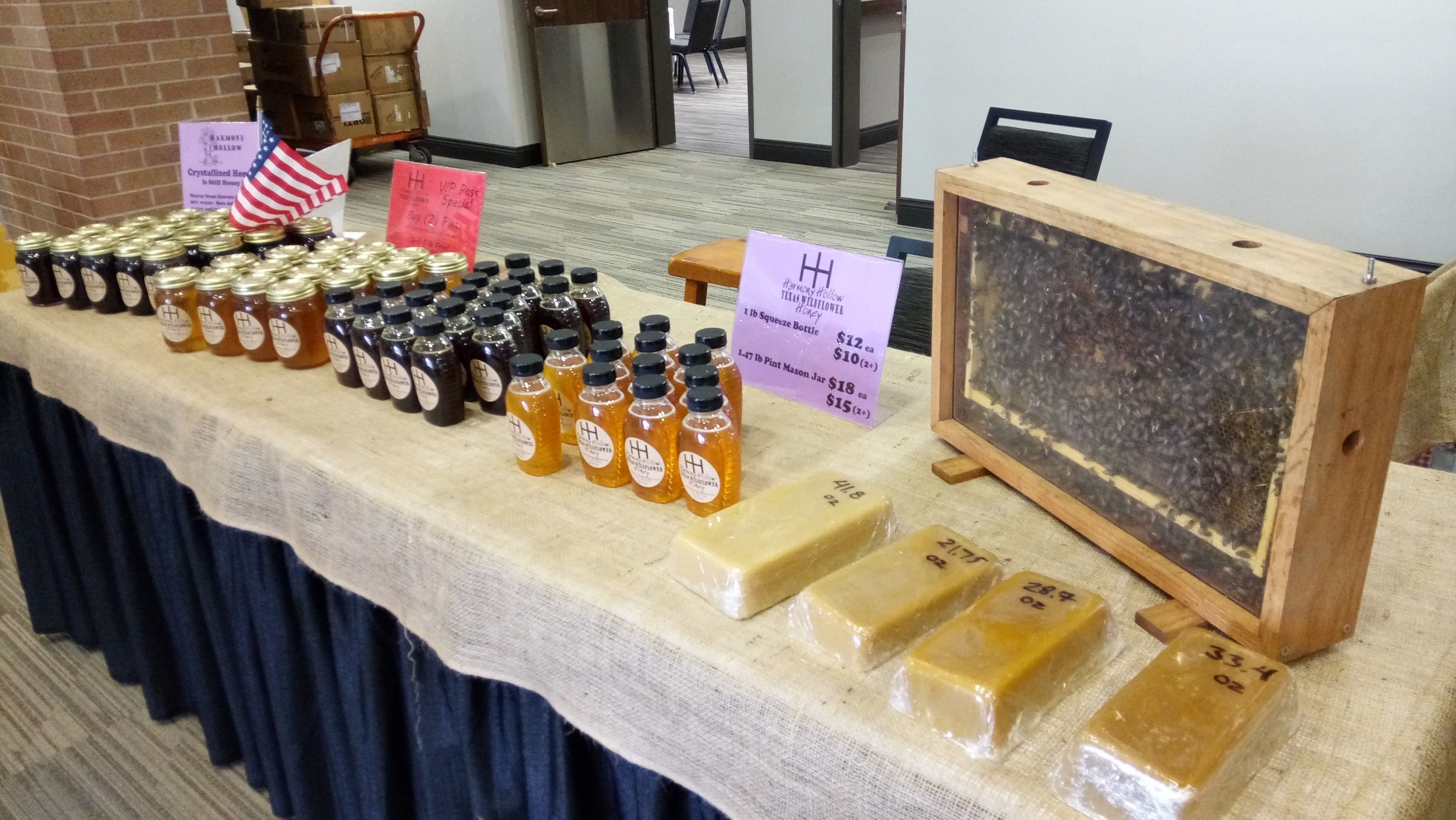
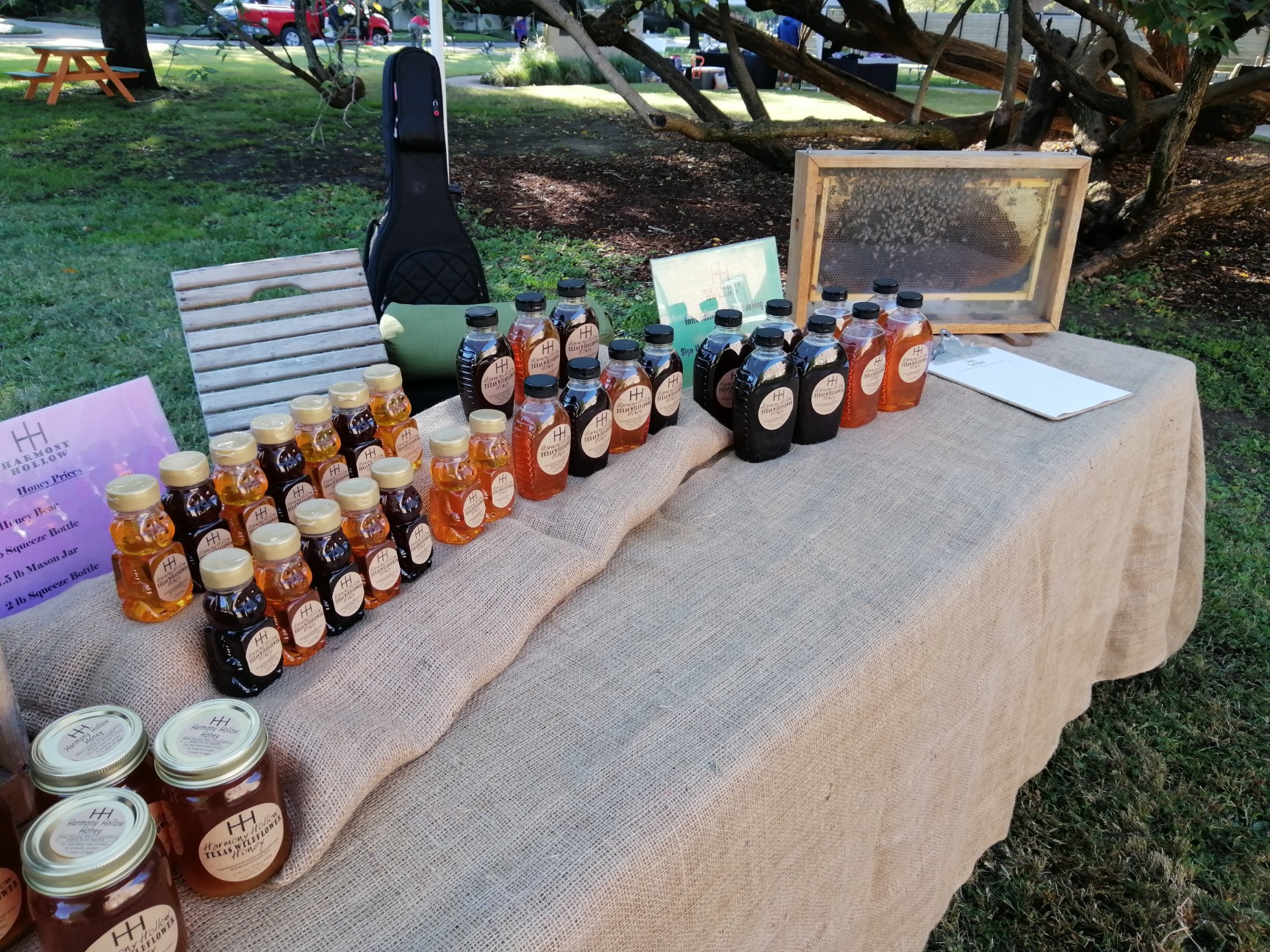
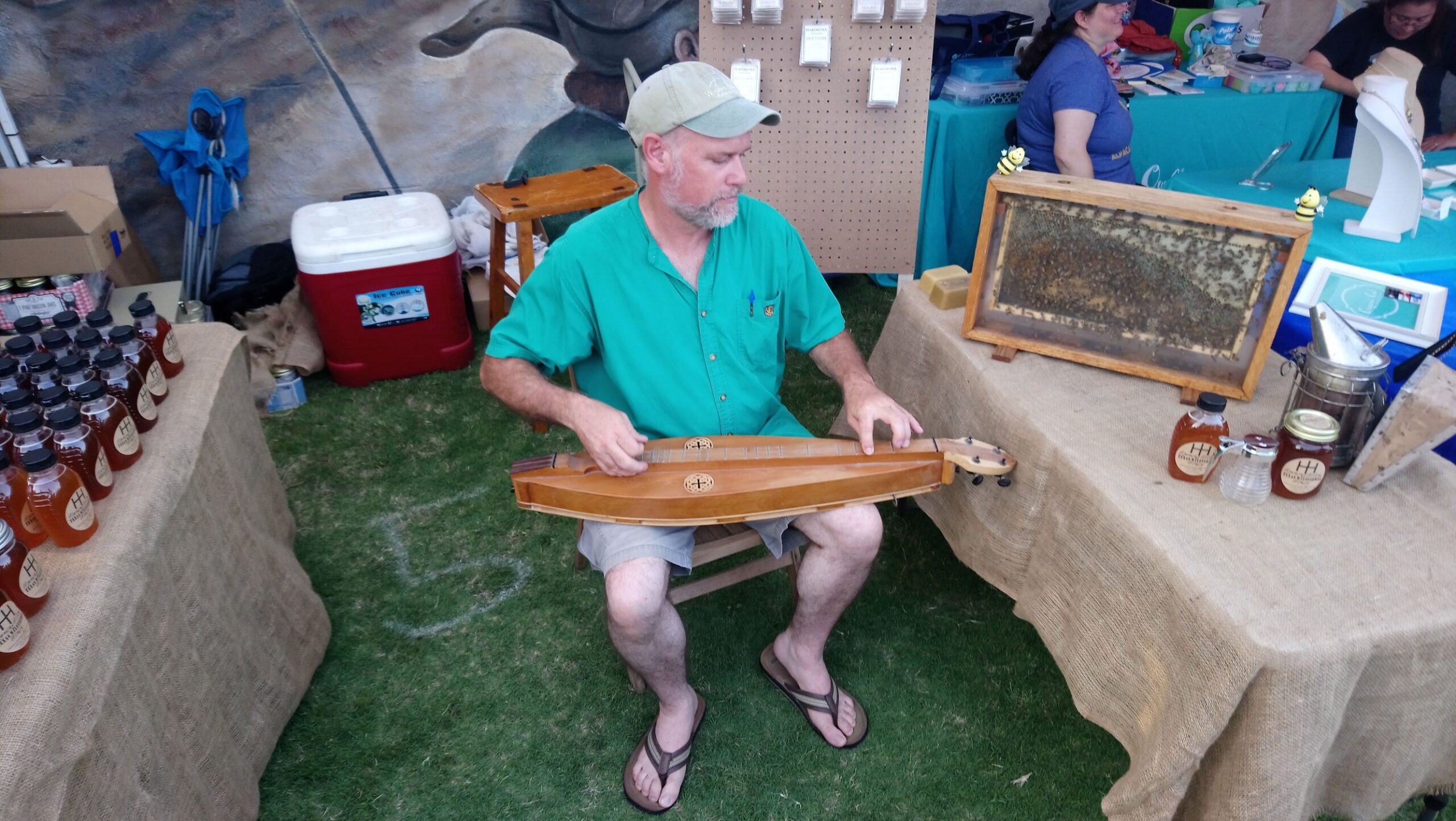
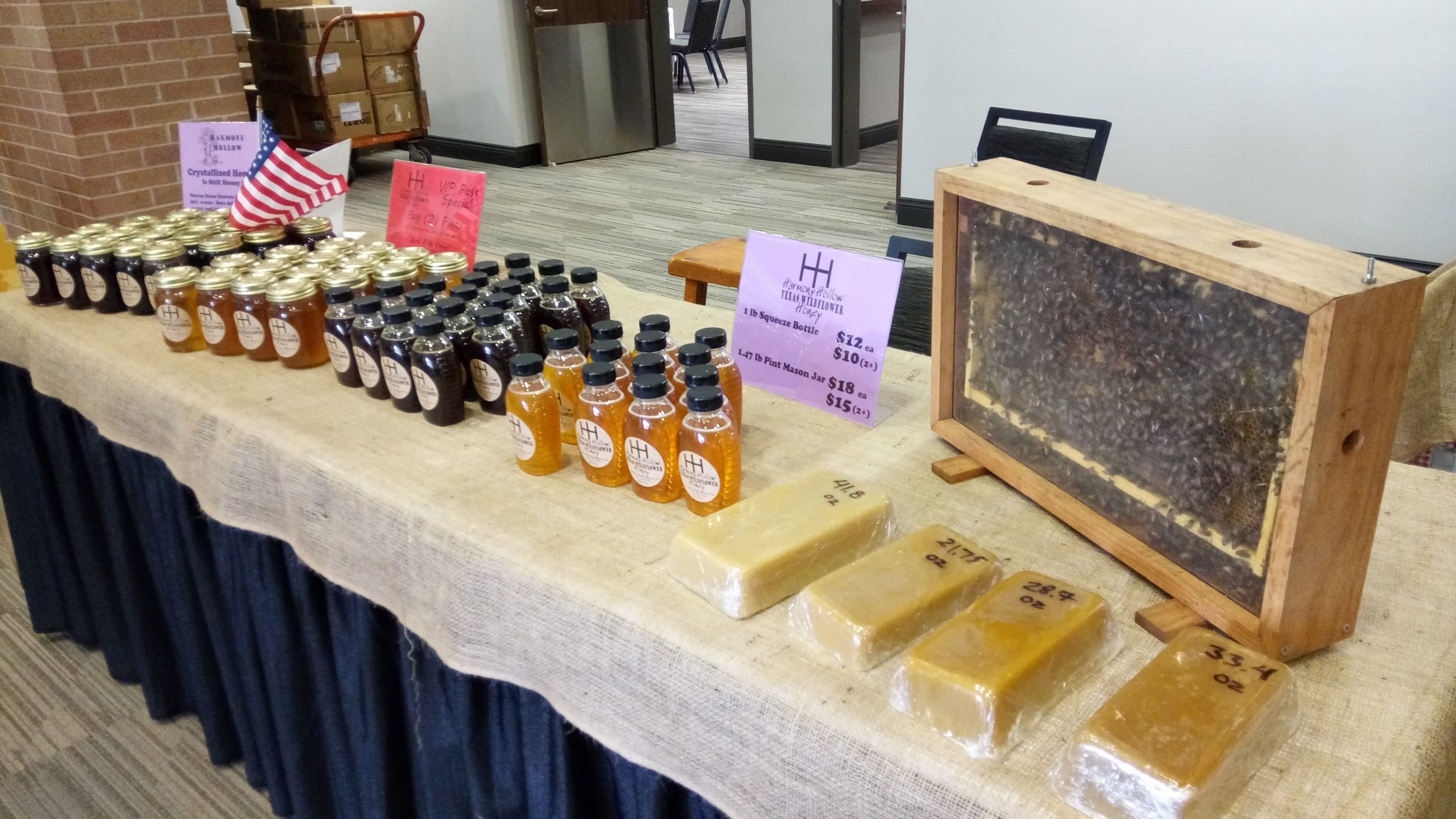
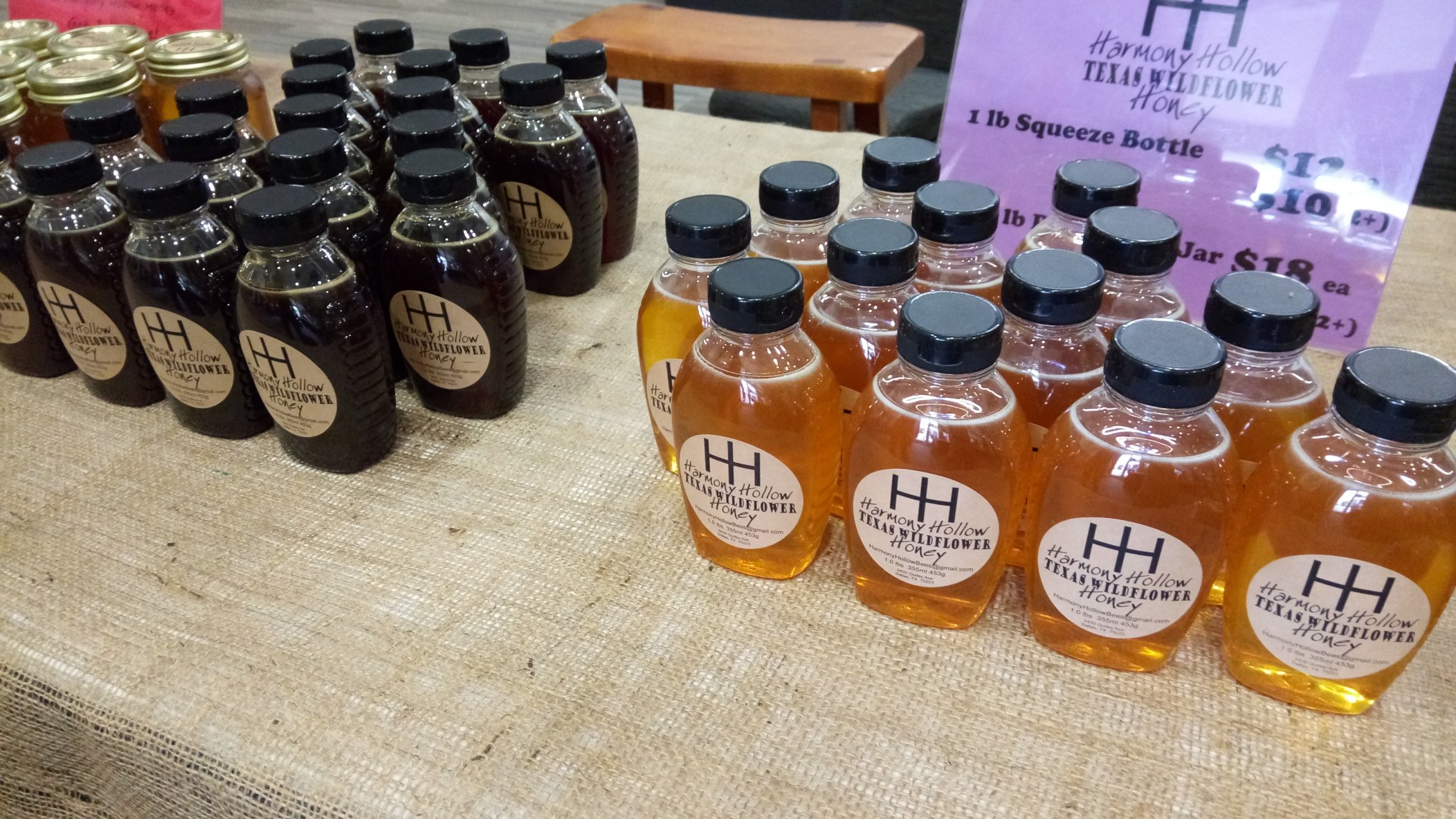
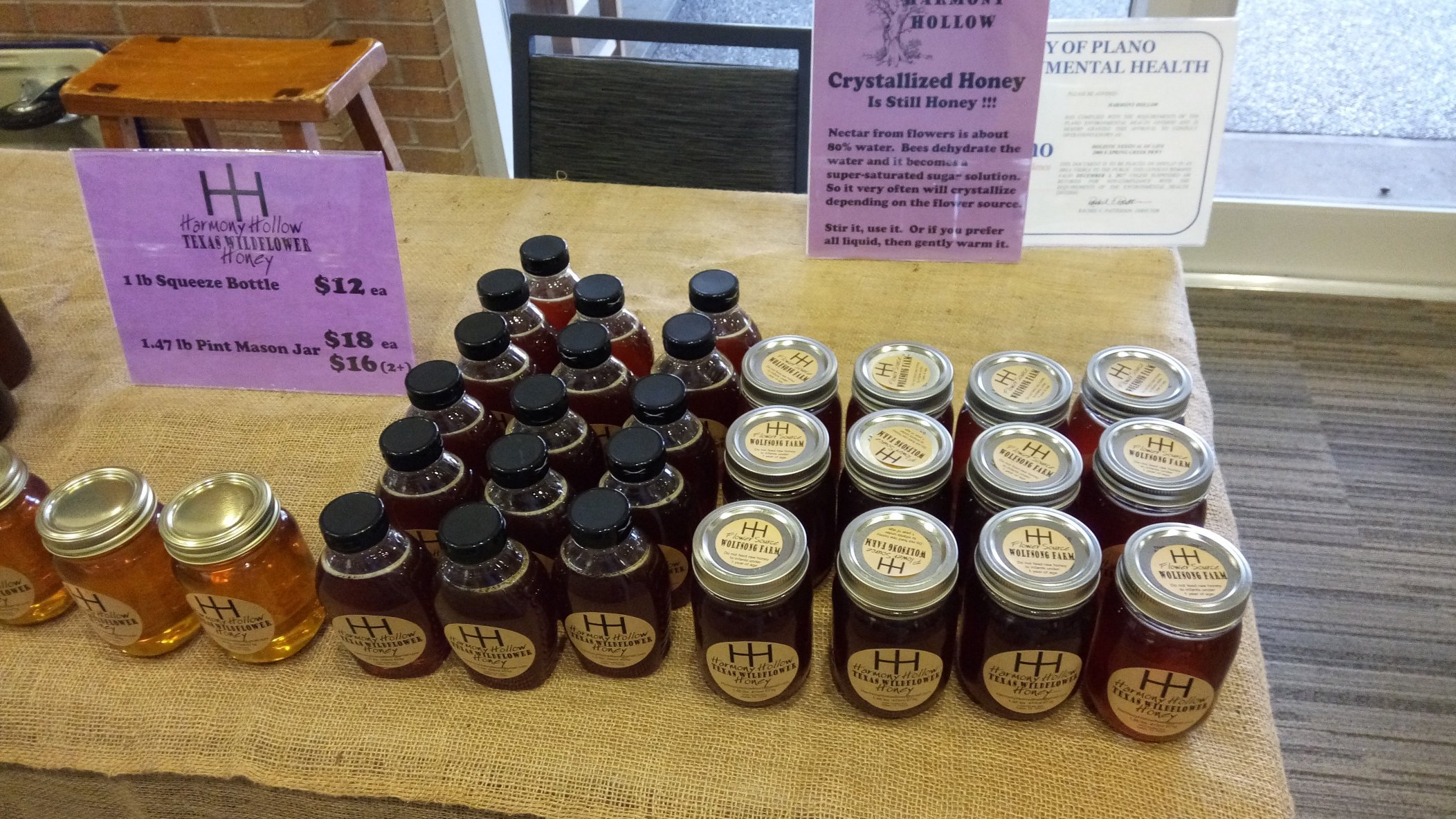
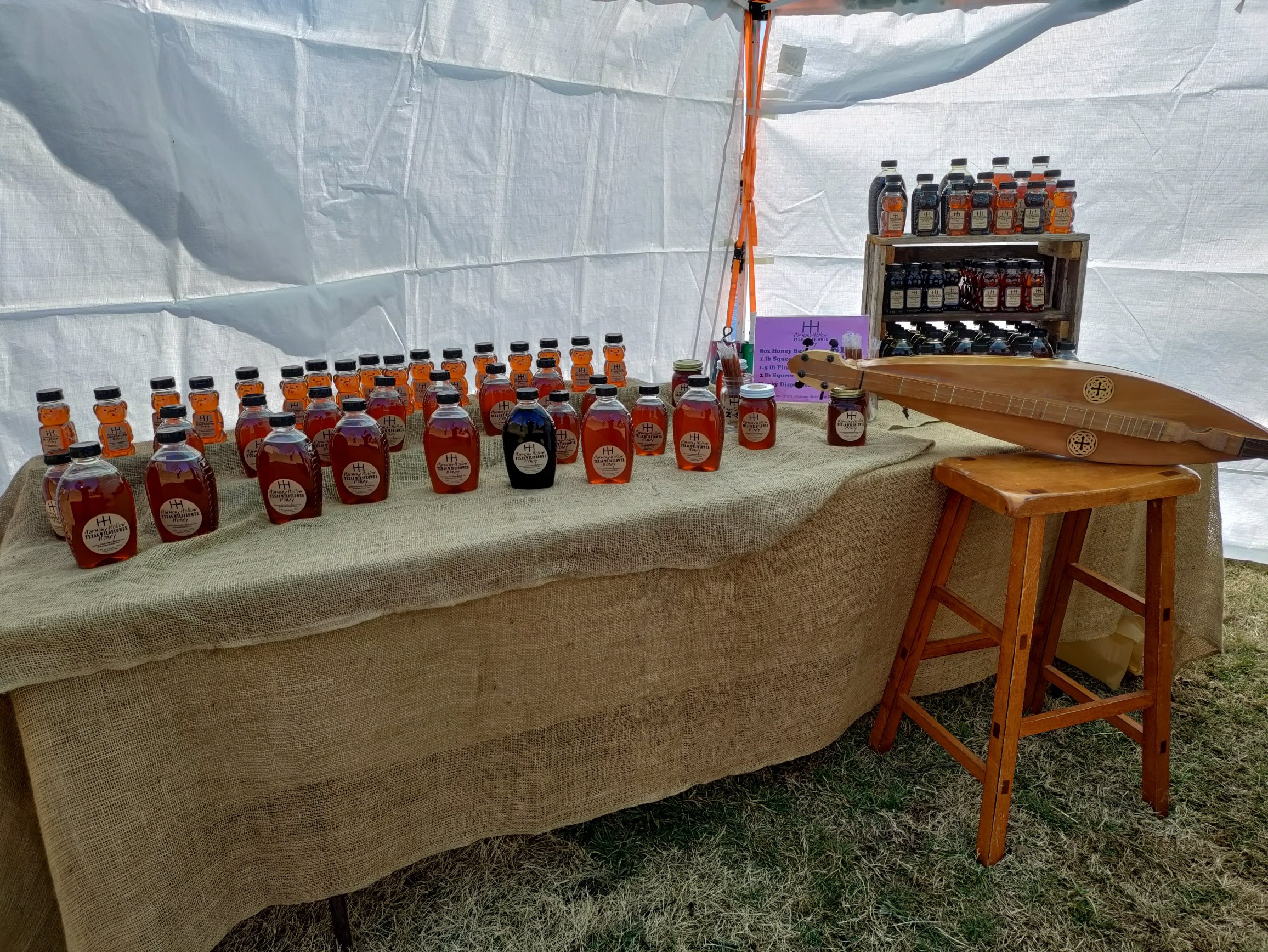
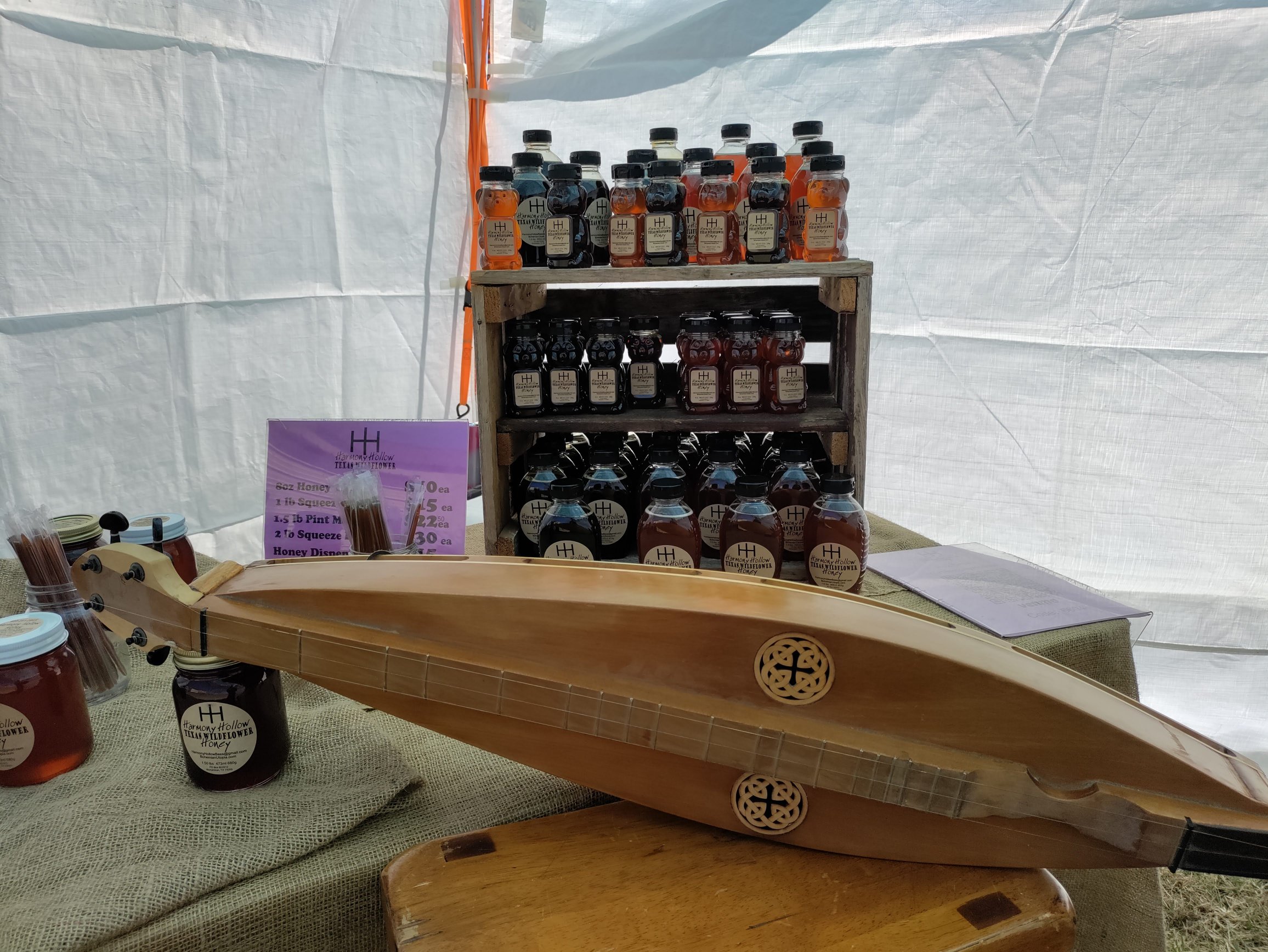
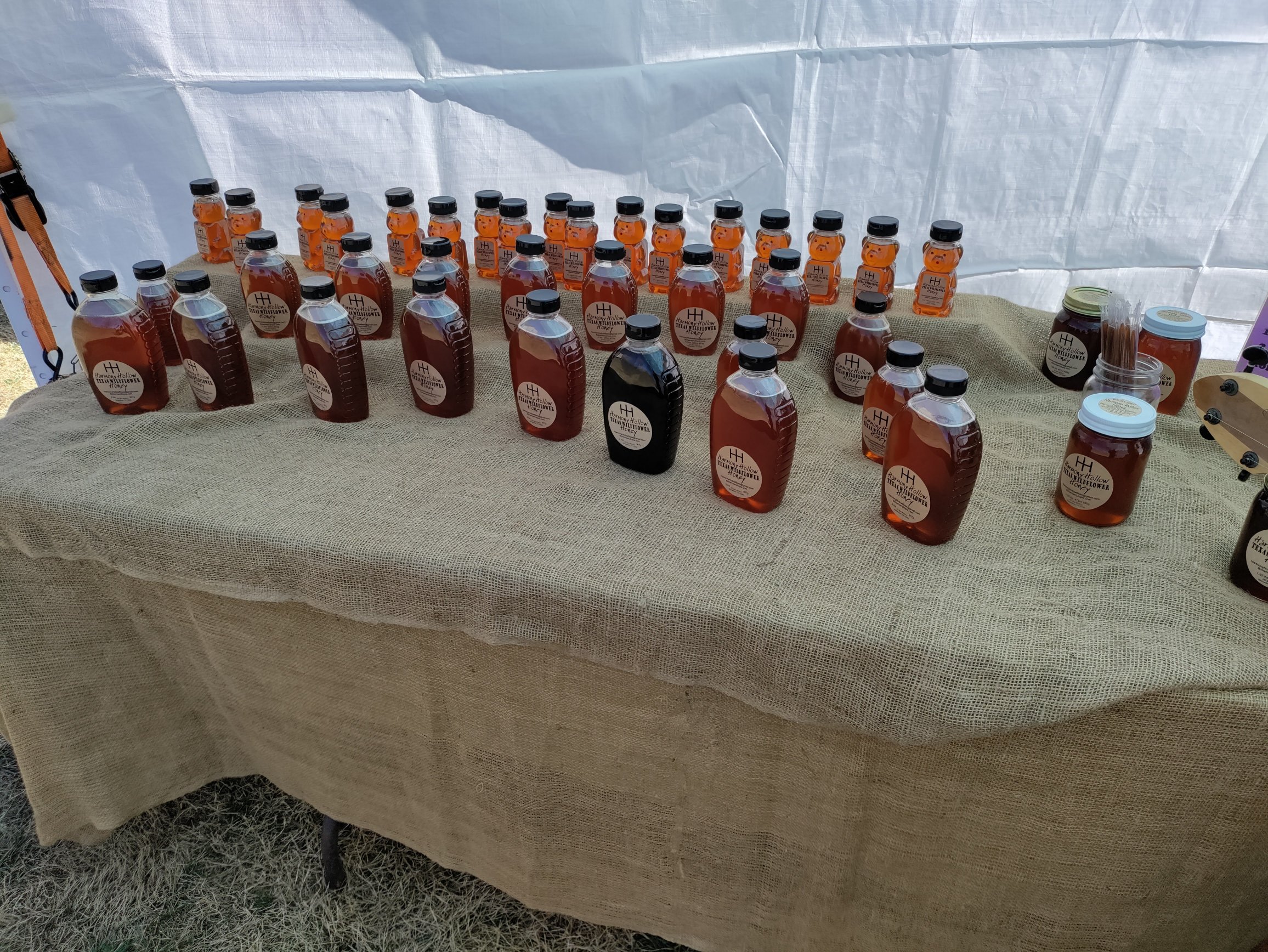
Vending Photos – Over the Years

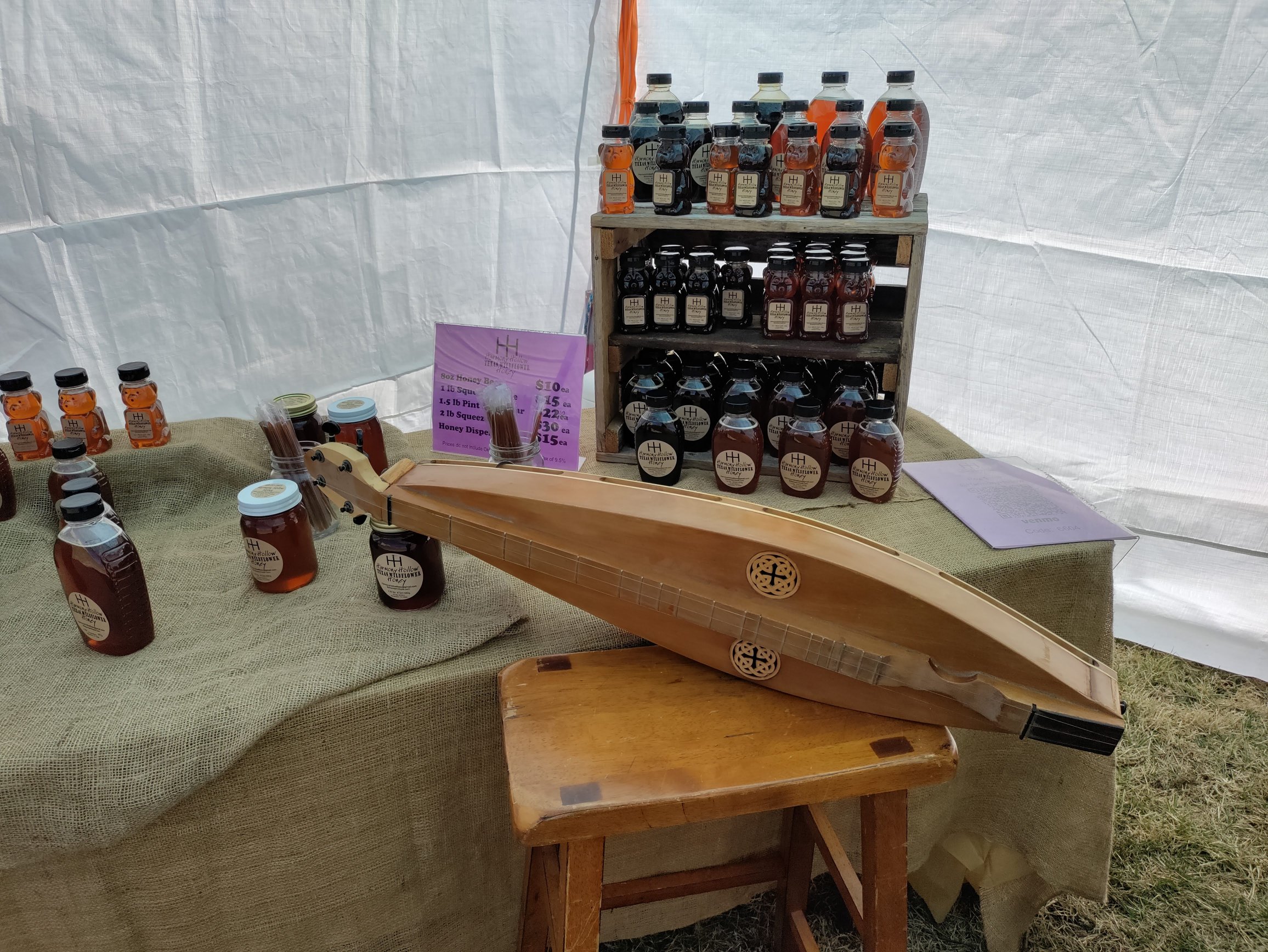
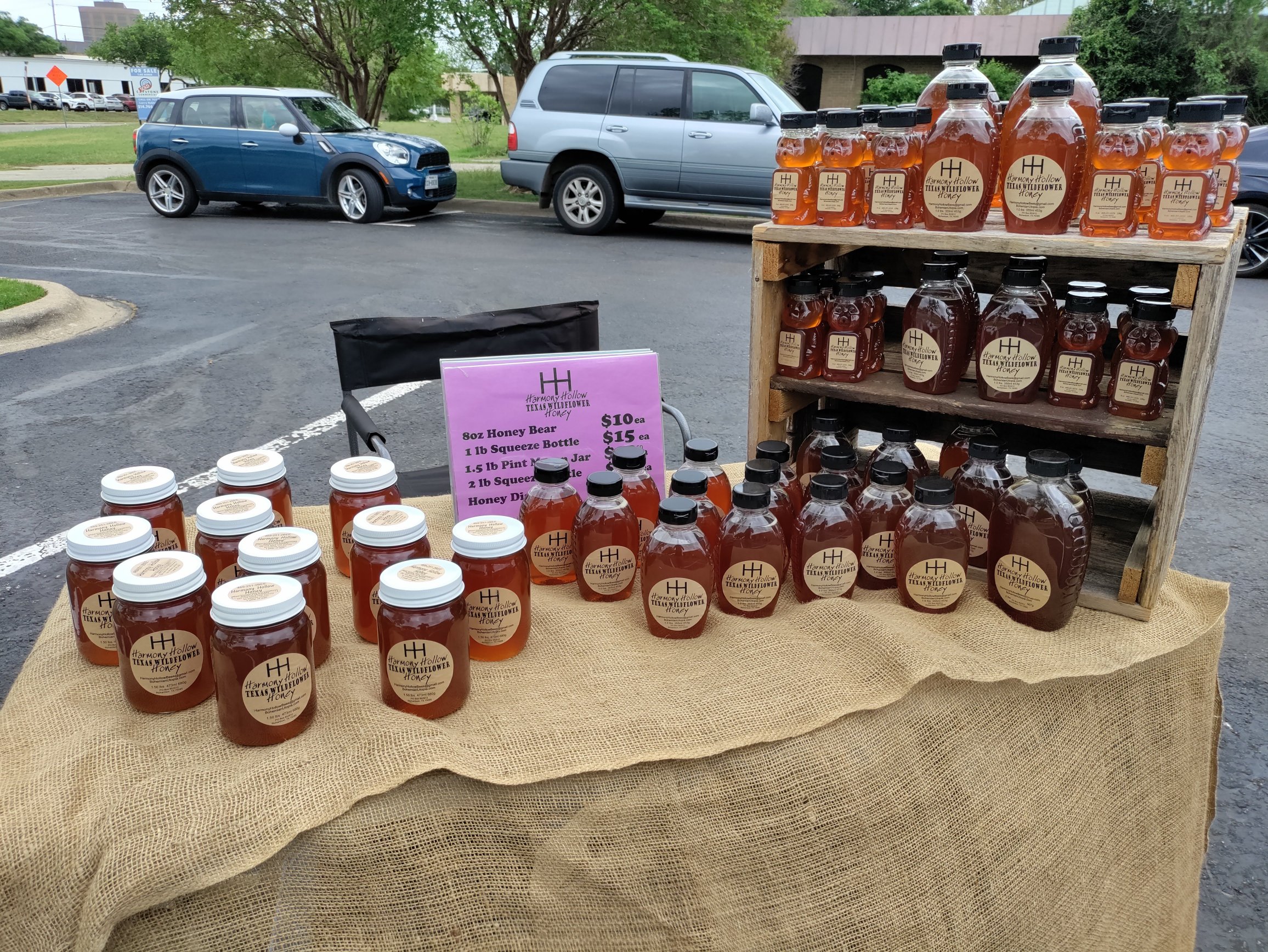
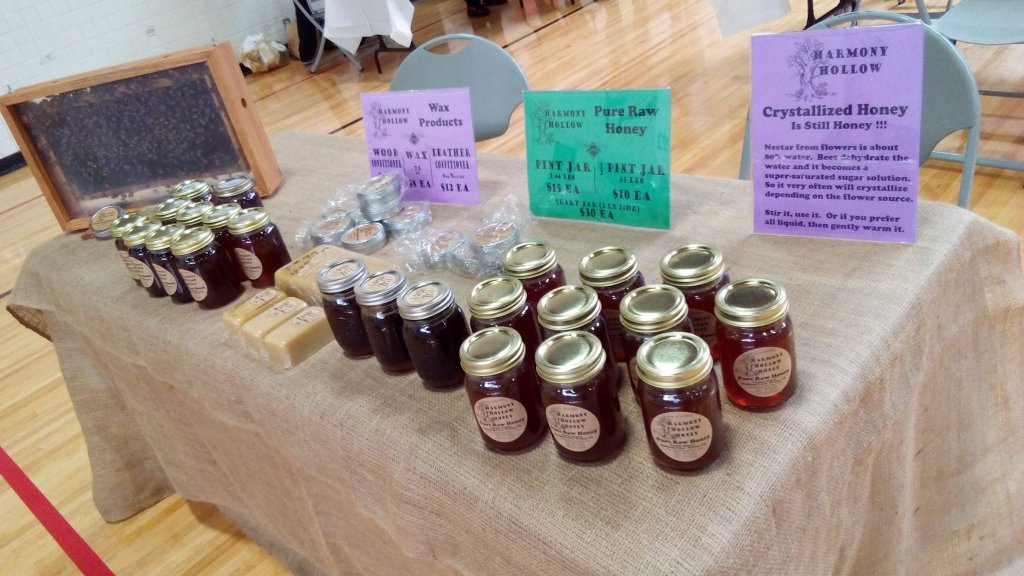
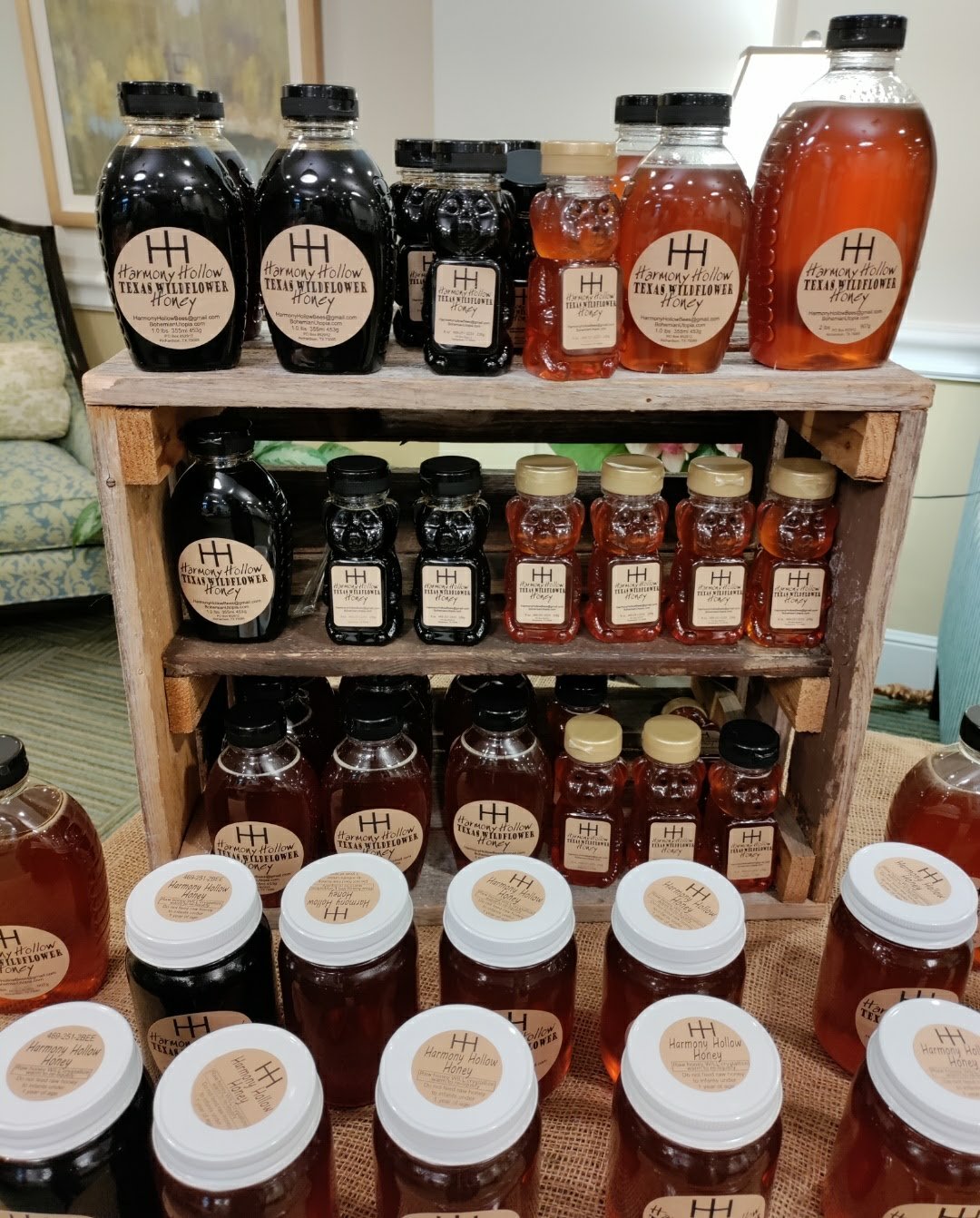
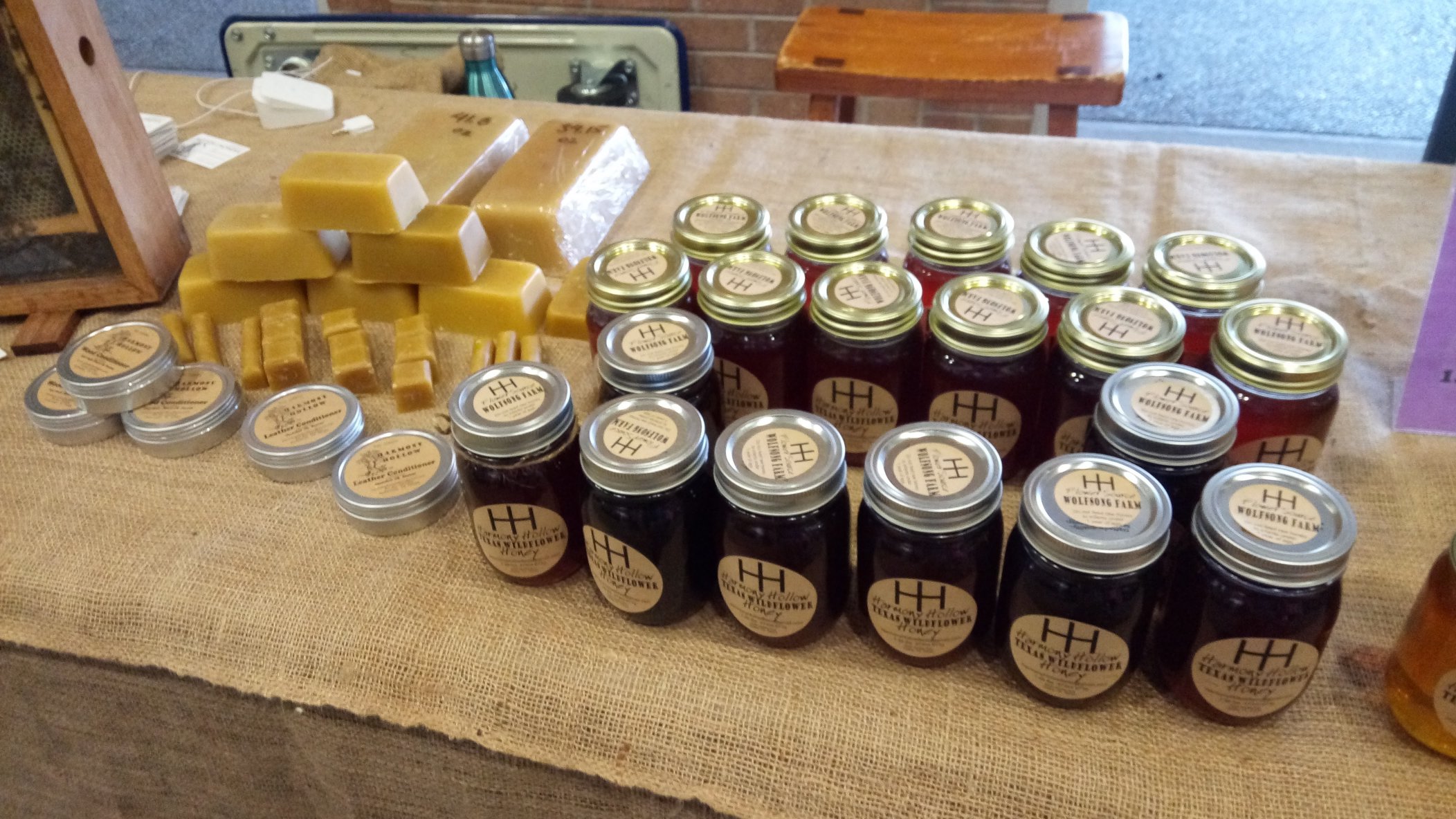
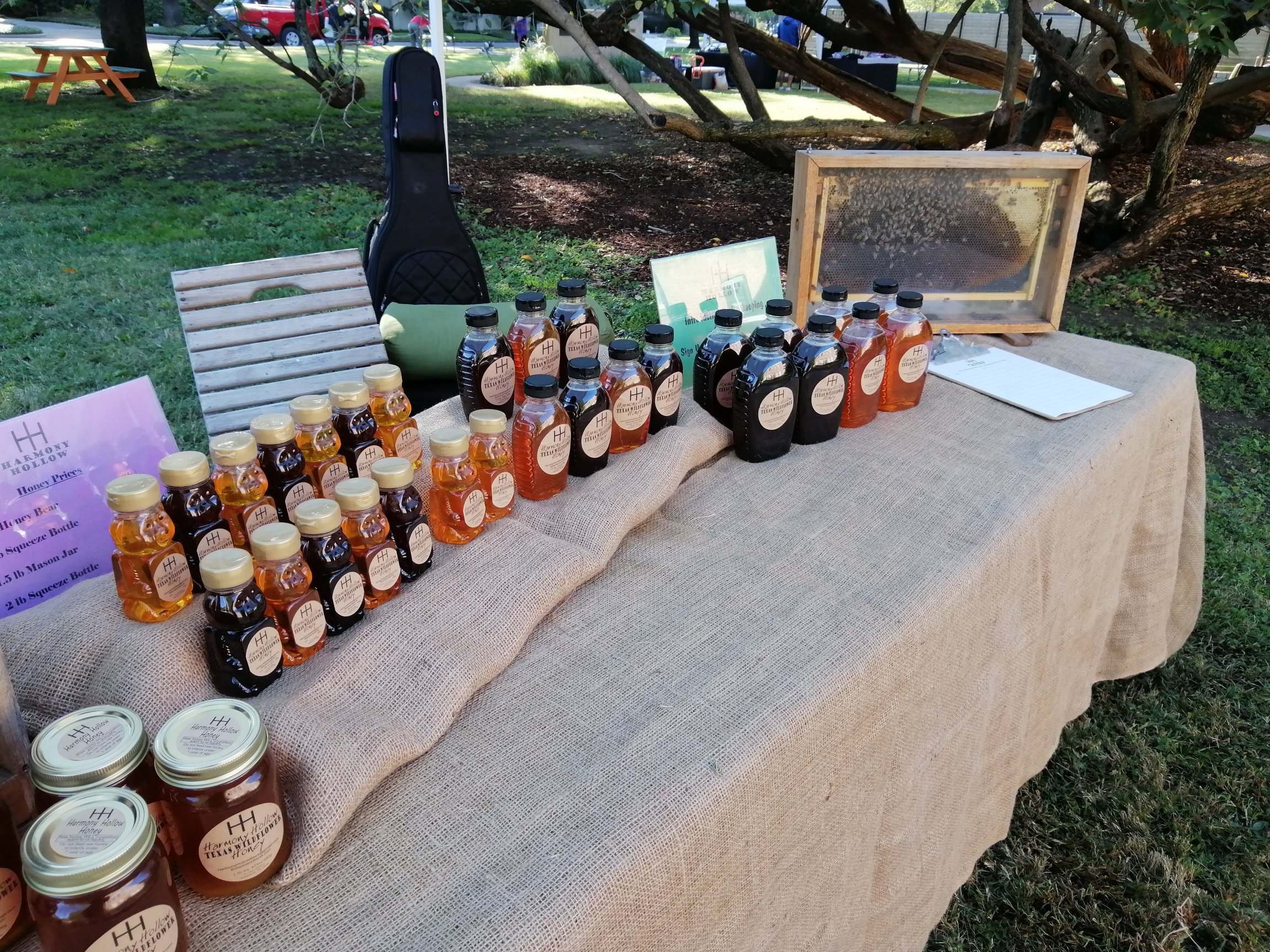
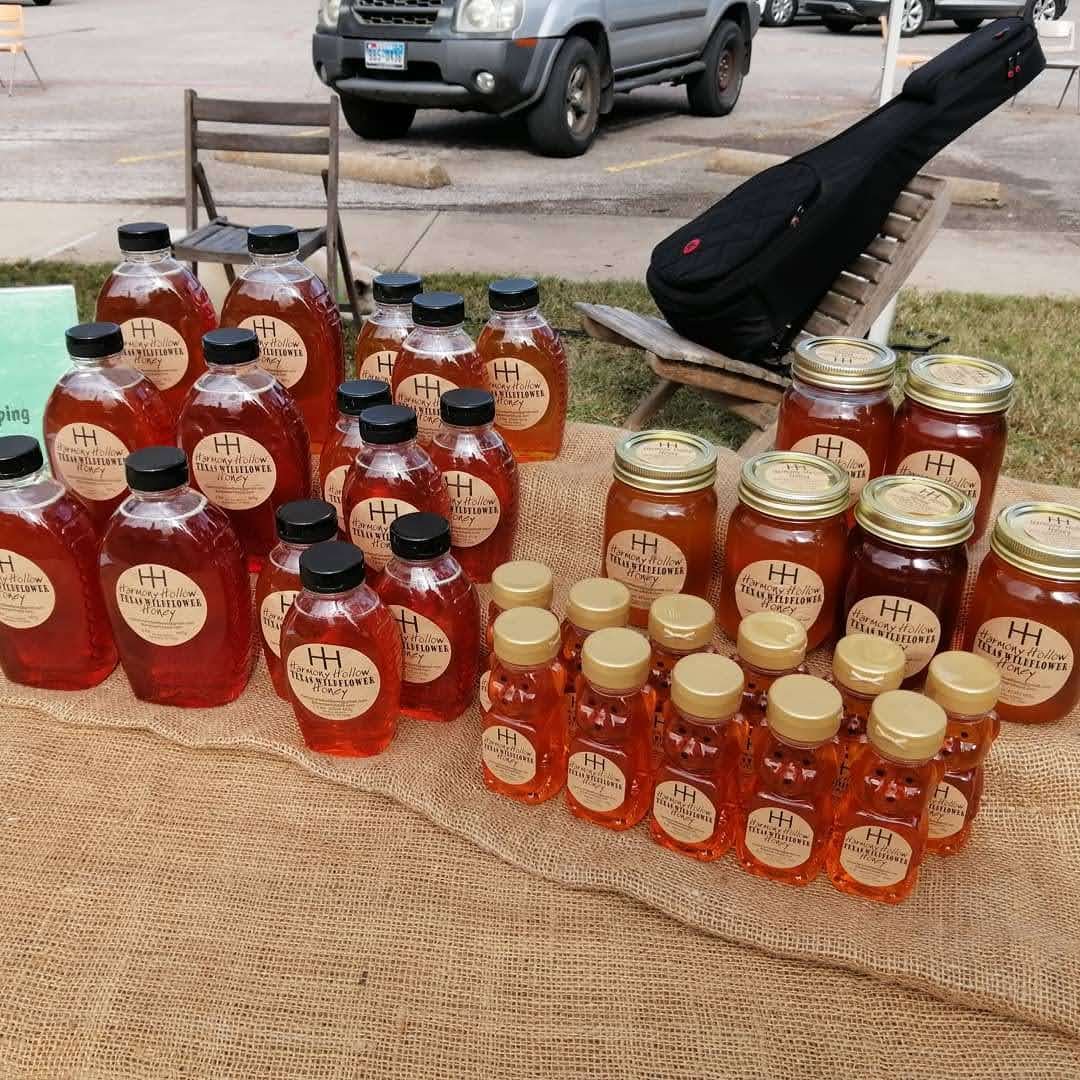
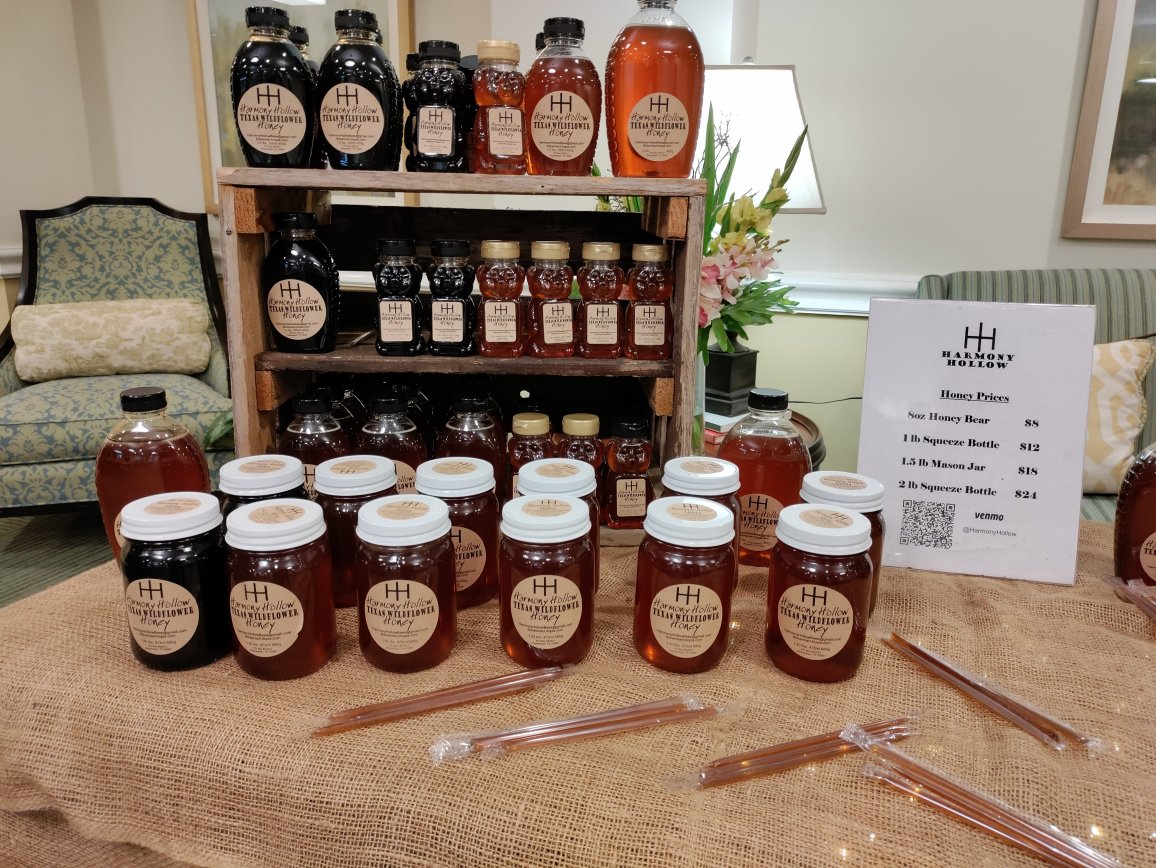
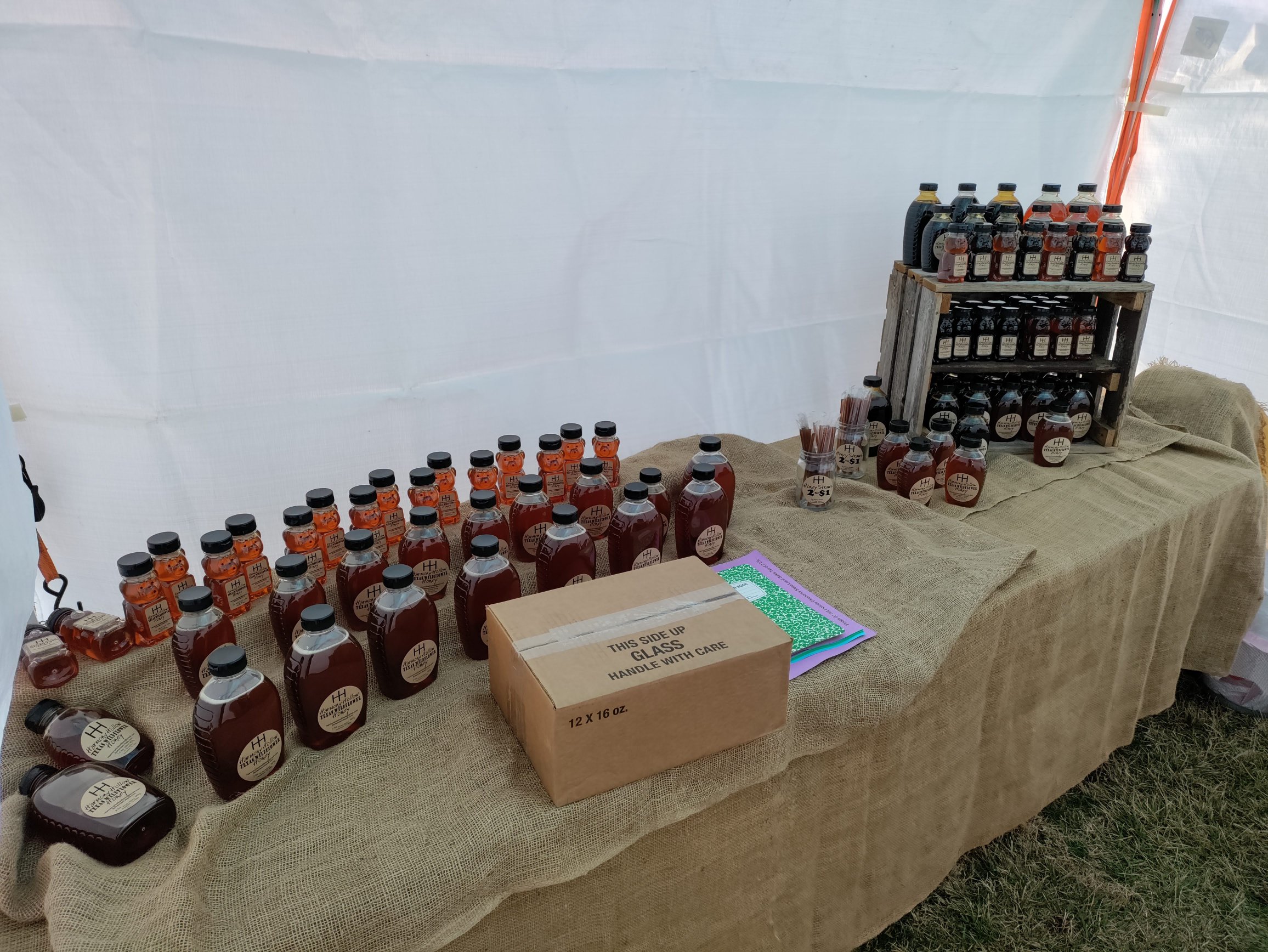
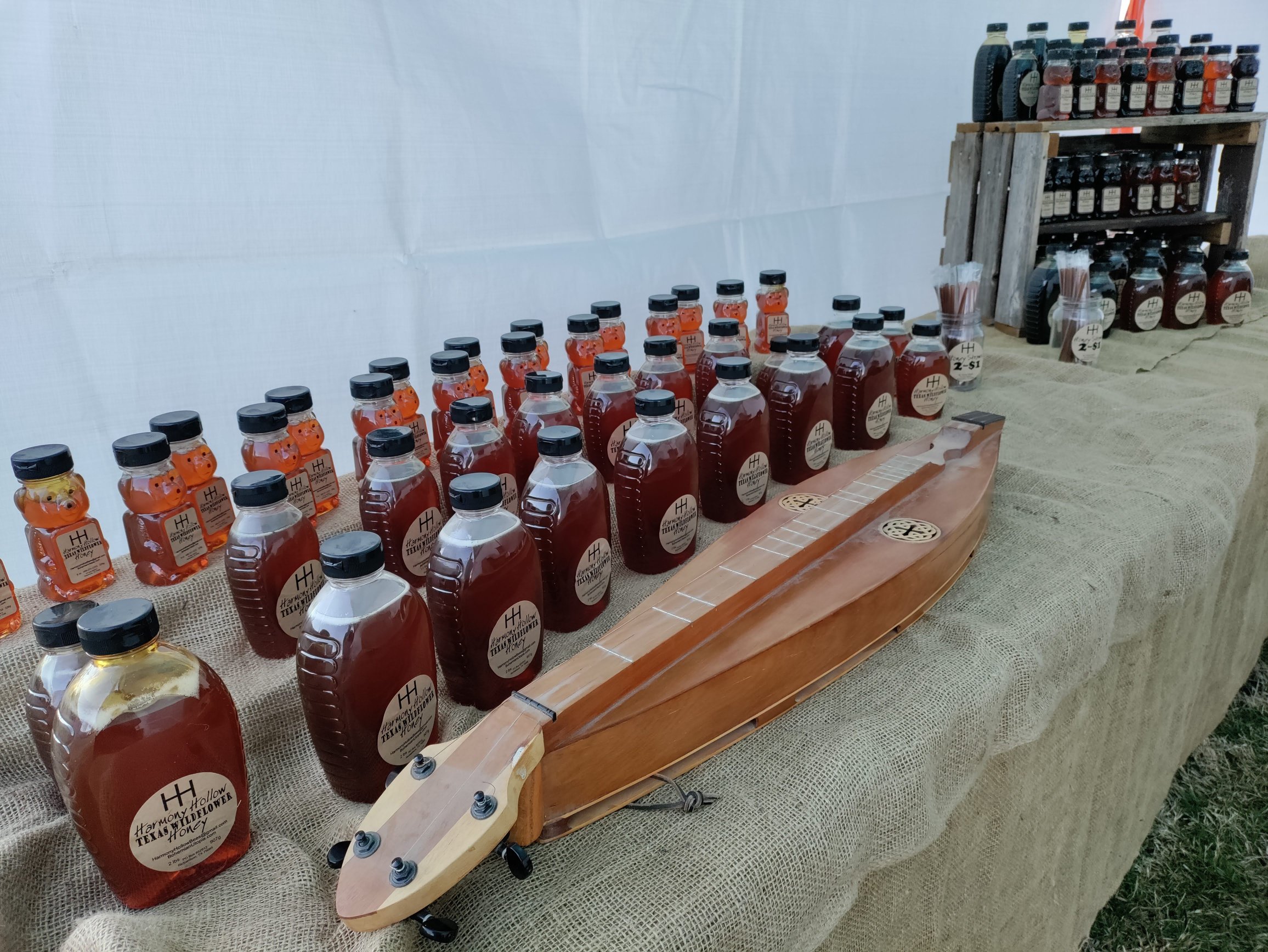
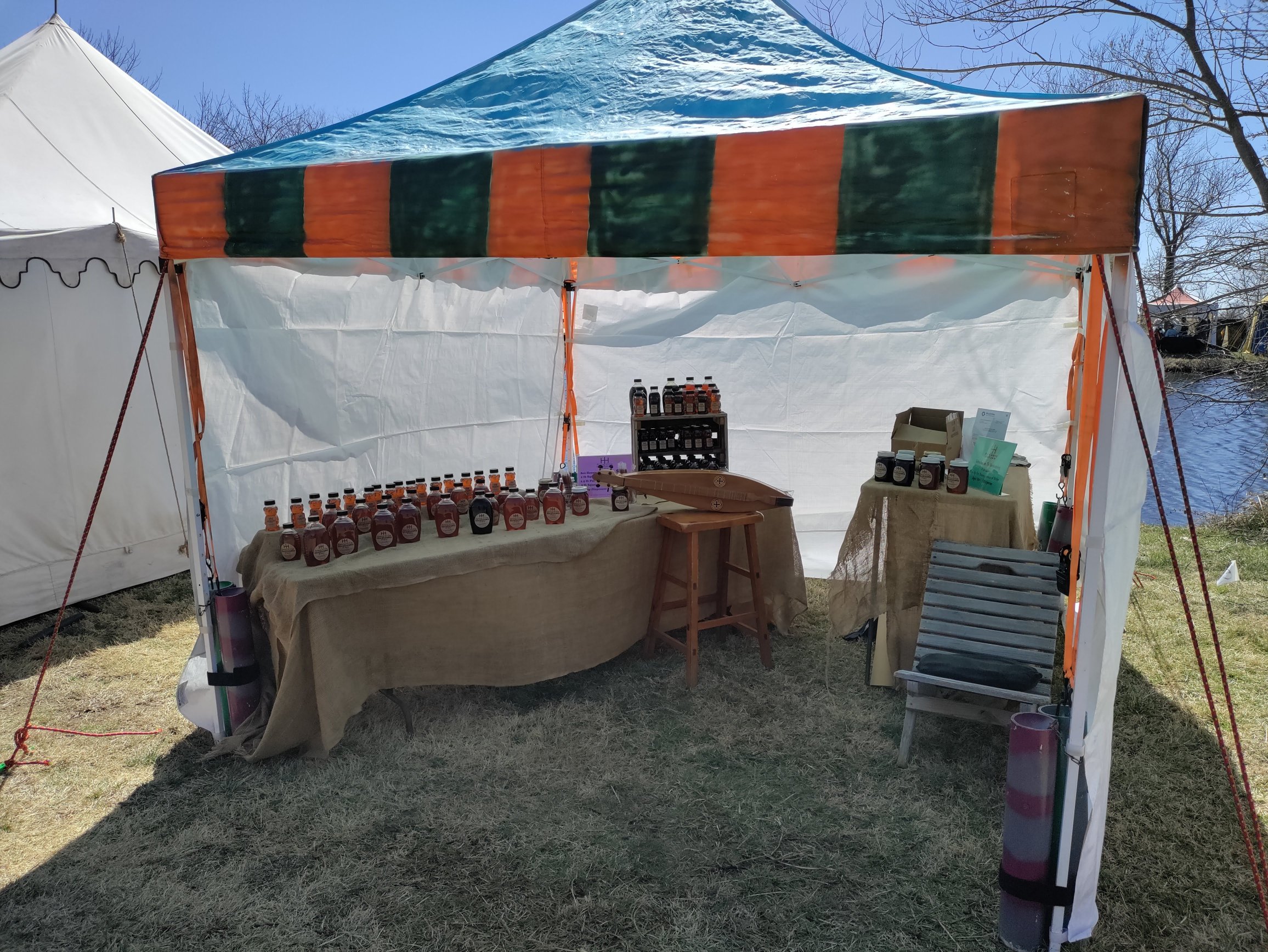
Photos from various vending days in the past.   See “Where to buy” page for a list of upcoming and past events


Propagating Pollinator Plants

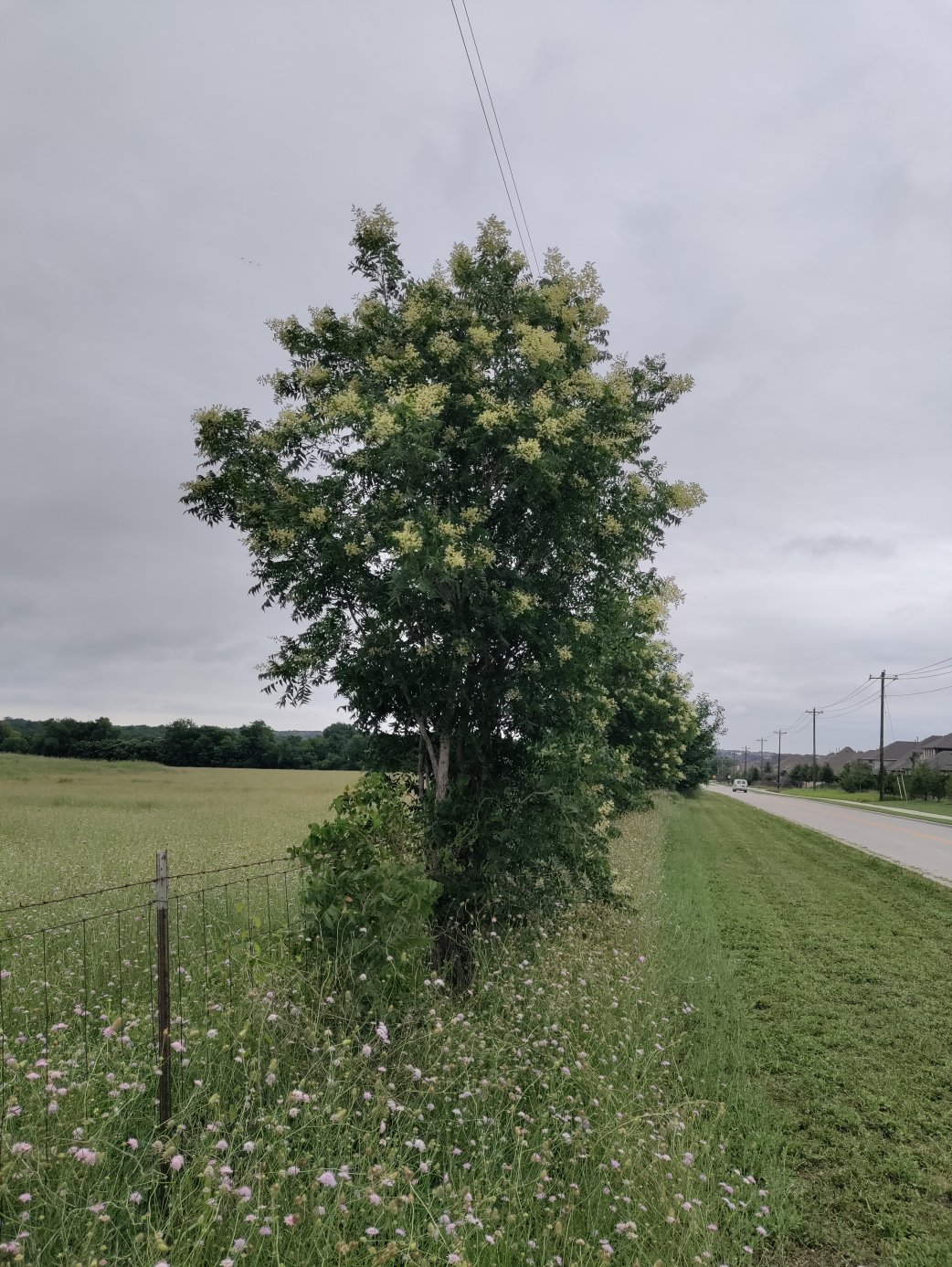
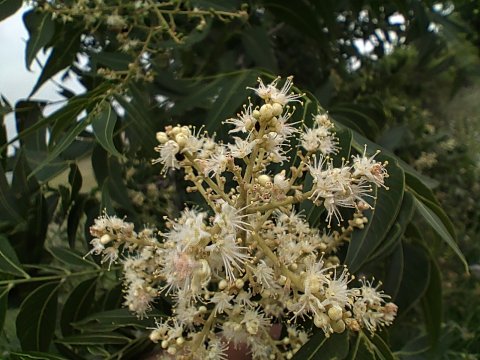
This year I *really* noticed the Western Soapberry trees in the North Texas (North of Dallas / Ft Worth MetroMess) area during their bloom, and the pollinators all over the trees while in bloom.   I suspect this was a 2nd bloom for the year.   My time really noticing them was from the end of May through the 2nd week of June 2025.

Here is some good general info on the Soapberry Trees:  https://www.wildlifedepartment.com/outdoorok/ooj/wildlife-food-thought-western-soapberry

And a good video that illustrates the differences in the Western Soapberry and the Chinese Tallow – https://www.youtube.com/watch?v=nPdBIumKmPs

One of the properties where I manage honeybees – has several of the Western Soapberry Trees.  There is an old adage that “The best time to plant a tree is 20 years ago the second best time is now”.   So  – NOW is the time to start propagation to get more pollinator-feeding trees planted in areas where they have not been before.

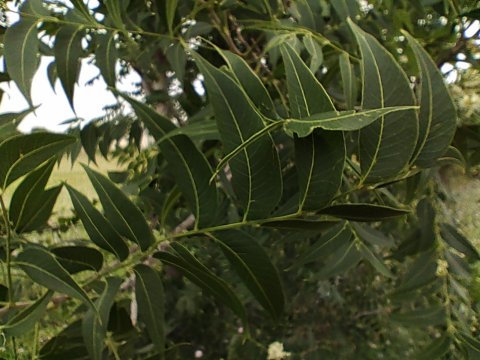
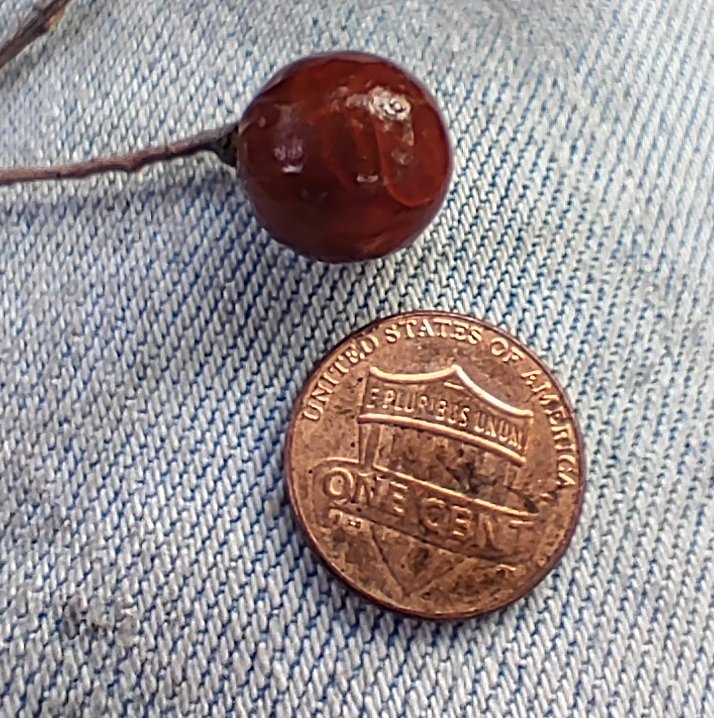
This tree is the Western Soapberry – it’s blooms, leaves, and berry


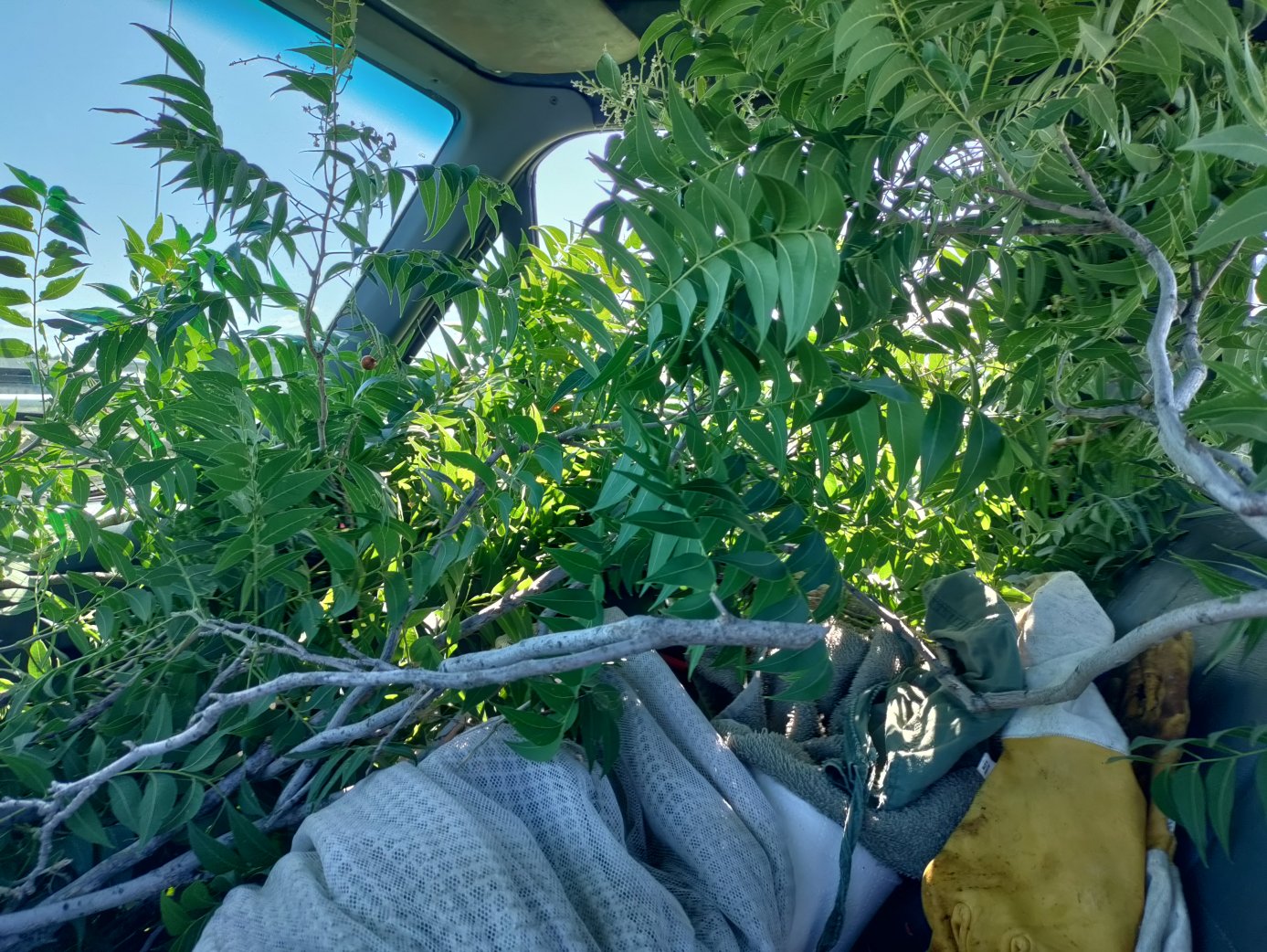
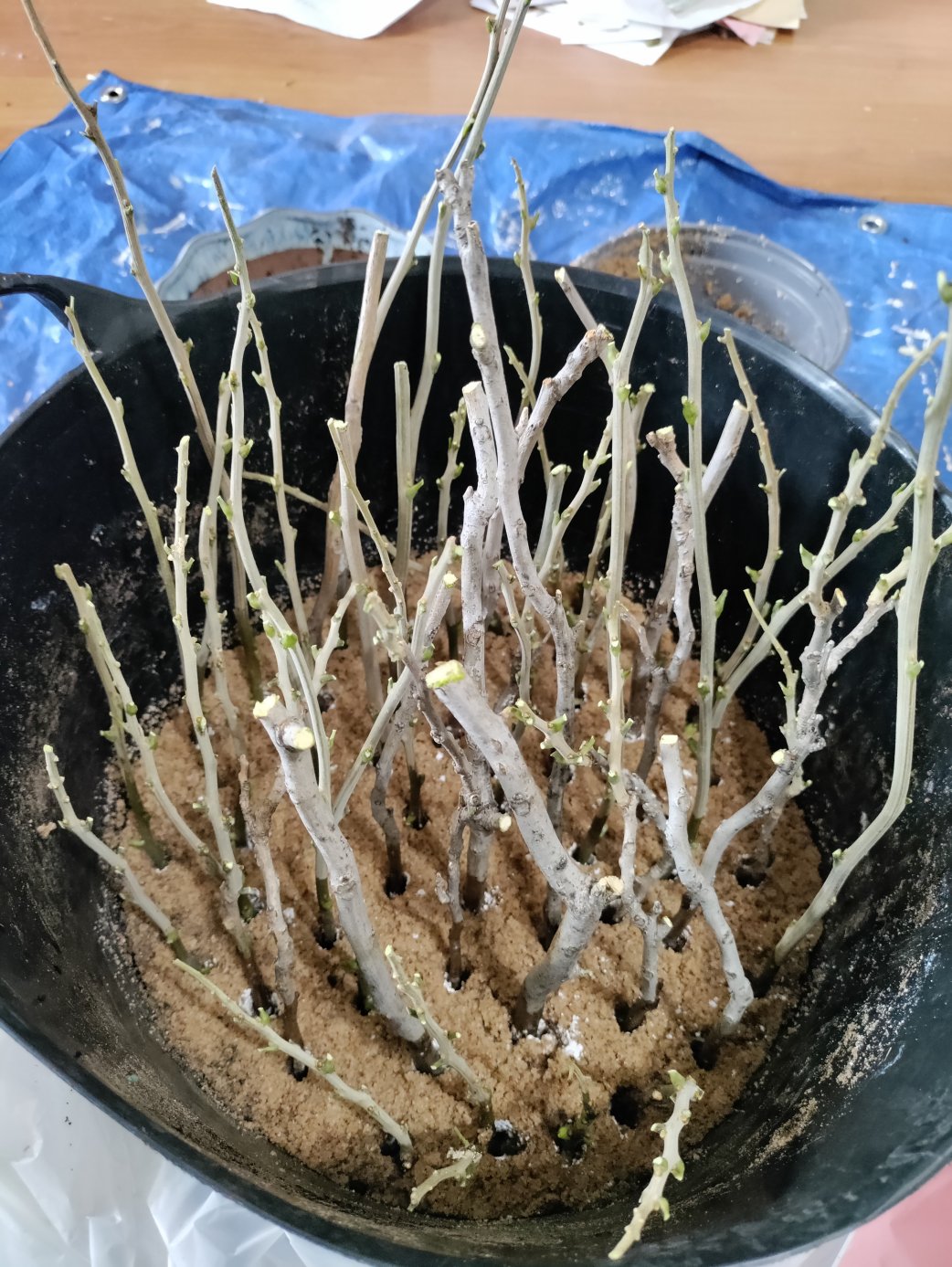
I took cuttings of relatively young growth, along with 1 year old wood, as well as leaves.   My truck was full!


Once home, I started cutting the appropriately aged wood to 6″-8″ (15cm-20cm) lengths, with a node just above each bottom cut, and a node at the top if possible.  I made approximately 100 cuttings of woody material, and appx 15 cuttings from leaves – just as an experiment to see if the leaflet stalks will root.


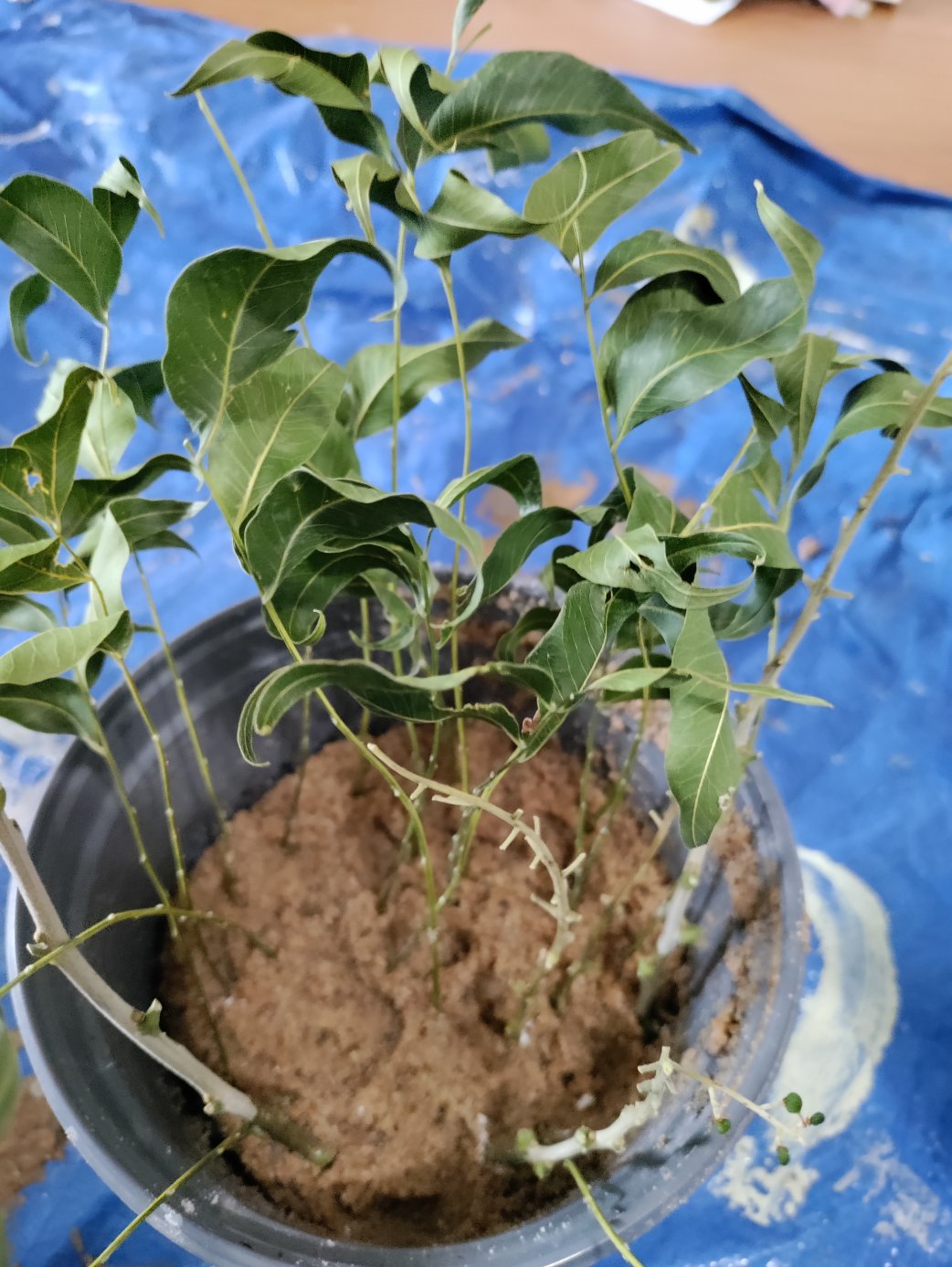
I soaked the bottom end of all the cuttings in rainwater for about 36 hours…   then prepared a damp sand mix into several containers, to provide beds for mass rooting production.   Each container was filled with damp sand to have a depth of about 4″ (10cm), and I used an old writing pen to make holes in the sand – where the cuttings would be dropped into.   Before dropping each cutting into it’s hole – I dipped it into the powdered rooting hormone – to give it a thick coating of the hormone.  Then, each one was dropped into it’s own hole in the sand – and was patted by hand, so that there should be no air voids next to the under-surface portion of the cuttings.


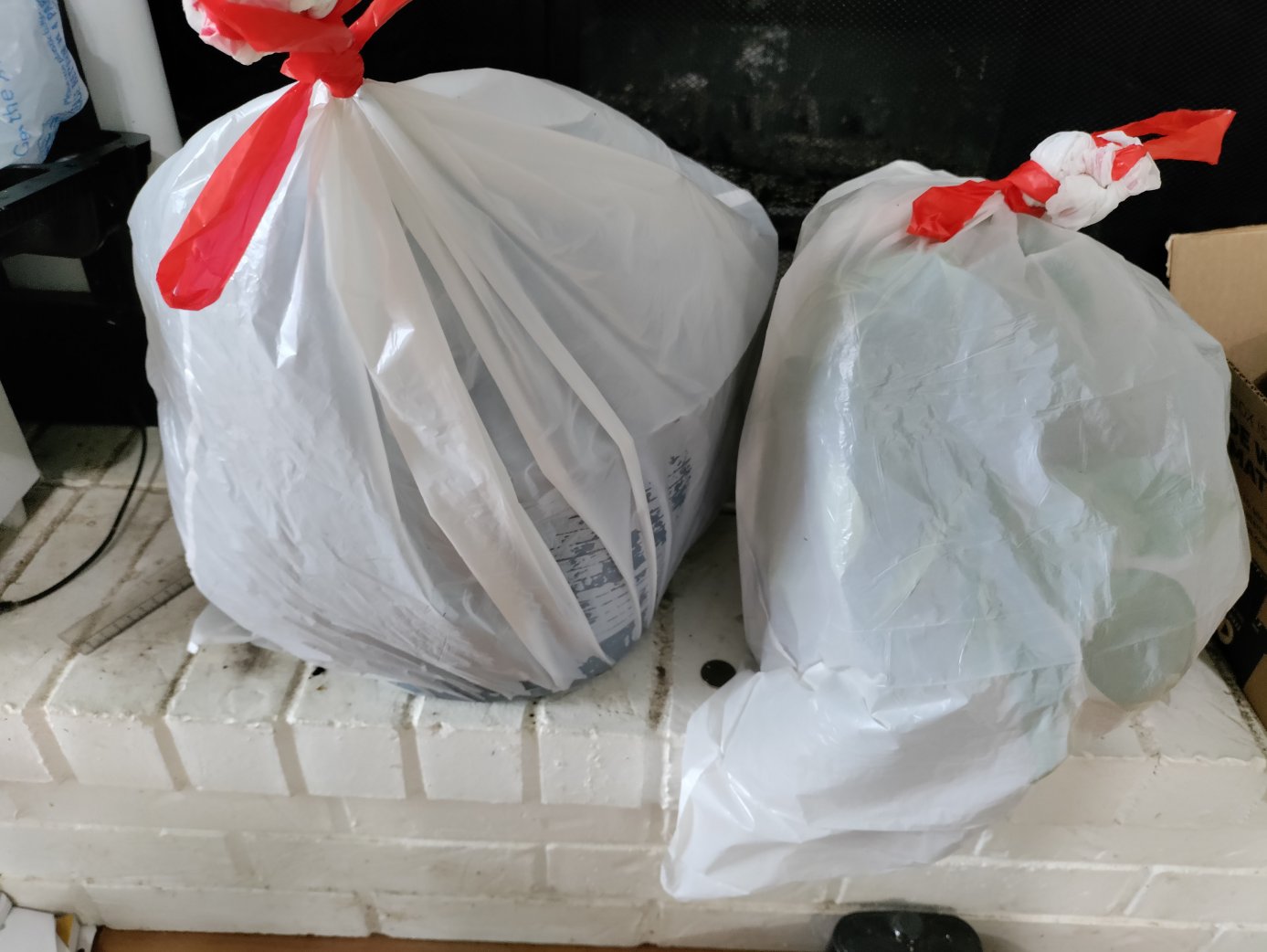
The containers of cuttings were then placed into white trash bags – and the tops tied, so that they will act as a terrarium – holding in water / moisture, and maintaining a damp environment.


  • 6-9-2025 – Made cuttings from original trees / evening – cut to 6″-8″ lengths – set bottom ends in rain water
  • 6-10-2025 – added rooting hormone powder to the water
  • 6-11-2025 – put cuttings in pots after dipping into rooting hormone powder / pots into white trash bags for water retention
  • 6-19-2025 – I pulled 7 random cuttings and rinsed off – none had developed any root, yet.   I reapplied rooting hormone powder, and put back into the sand.
 

Big Fix for Cheap NUC Boxes

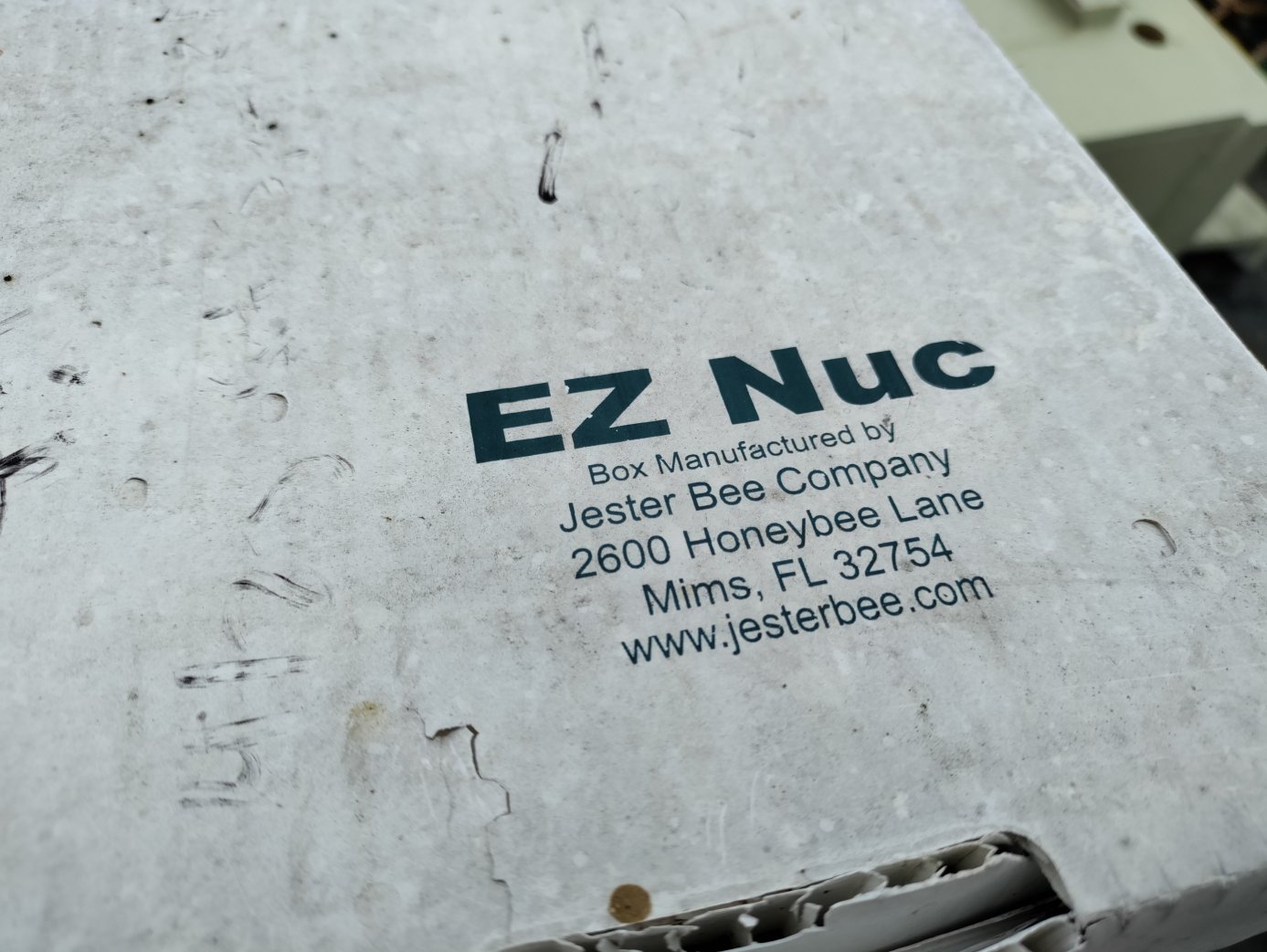
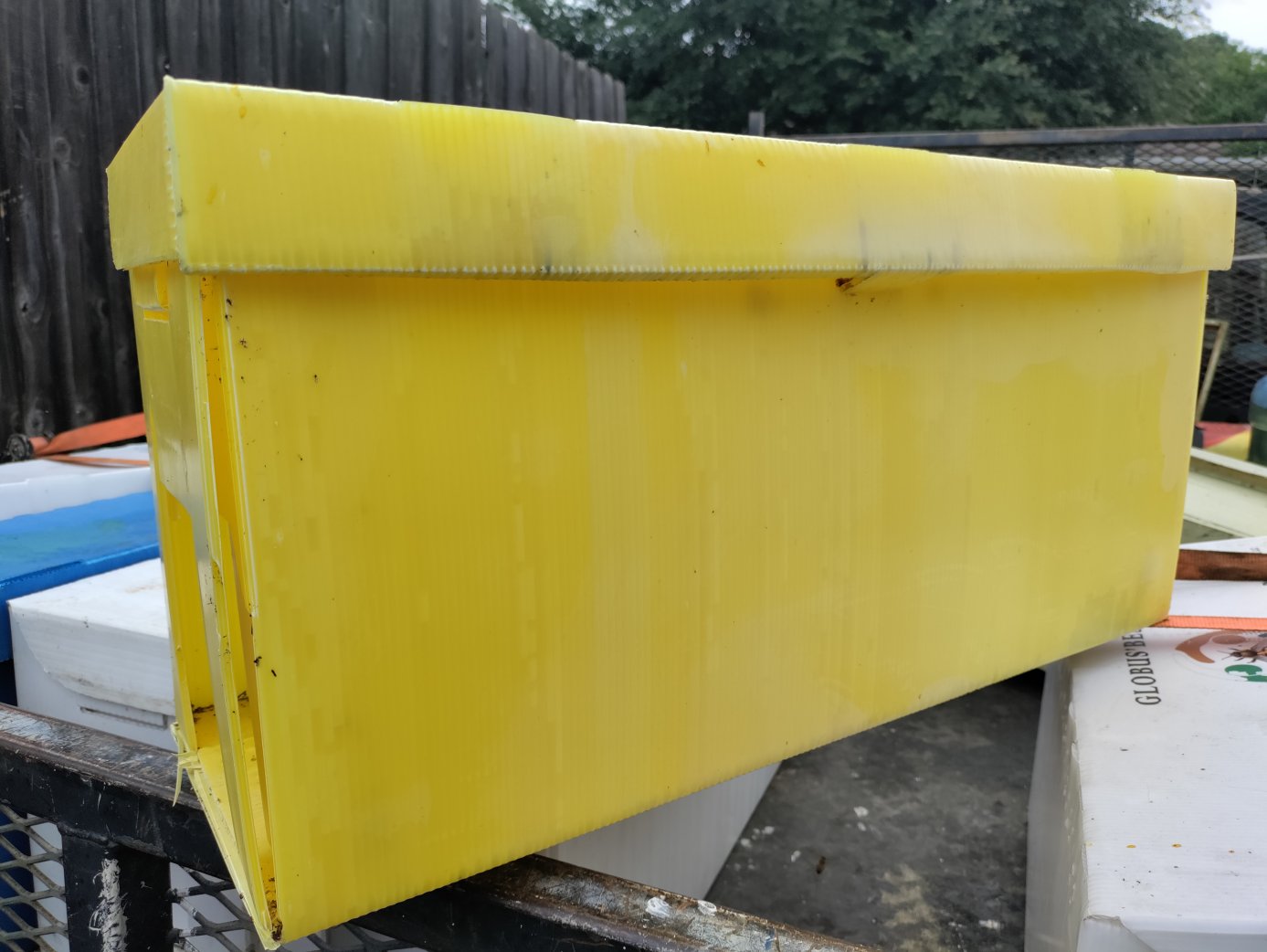
For the last 2 years, one of the NUC / Bee suppliers has been using CHEAP NUC boxes.   They resemble the higher quality Jester EZ Nuc Boxes – however – there’s a huge difference that’s not necessarily noticed until it gets HOT outside.

I was making splits, and had a umber of these boxes – and in mid May 2025 (yes – last week) – I noticed that some of the splits in the yellow NUC boxes had baked and died, and some had absconded.   I had tried to place a board or something onto the blue boxes – knowing that they would absorb a lot of heat from direct sun exposure – but I didn’t figure on the yellow boxes being a problem.

They were.

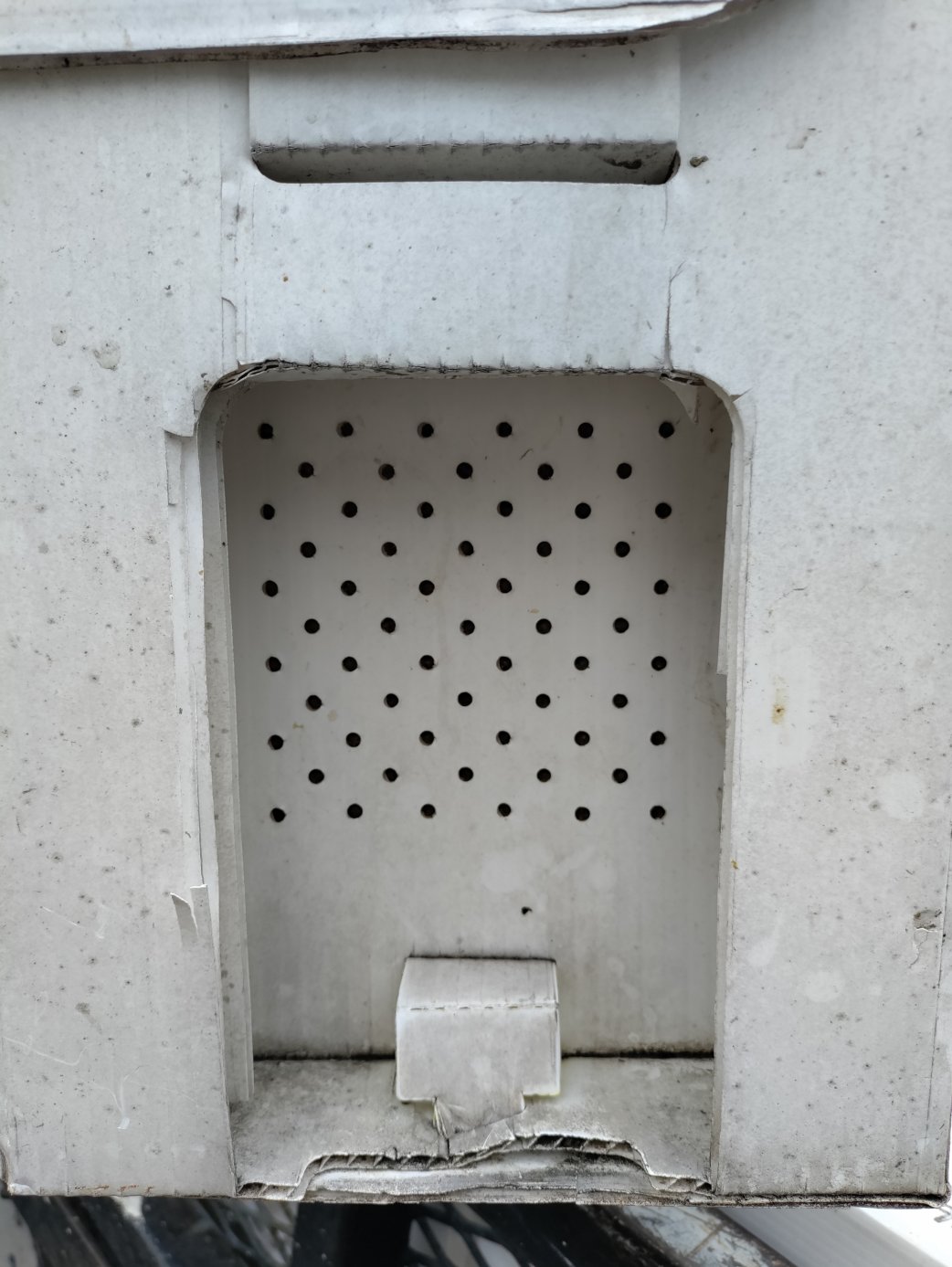
The Jester EZ Nucs are more expensive for a reason.   They have UV resistant plastics – so last more than 1 year in the sun.   And – they are well ventilated.

Jester EZ NUC - 9/64" Vent Holes

Jester EZ NUC


Jester EZ NUC

Jester EZ NUC – 9/64″ Vent Holes


Jester EZ NUC – 9/64″ Vent Holes


THIS is what happened to the bees in the cheaper boxes.  The boxes weren’t ventilated, and the bees overheated.

No Ventilation!!!

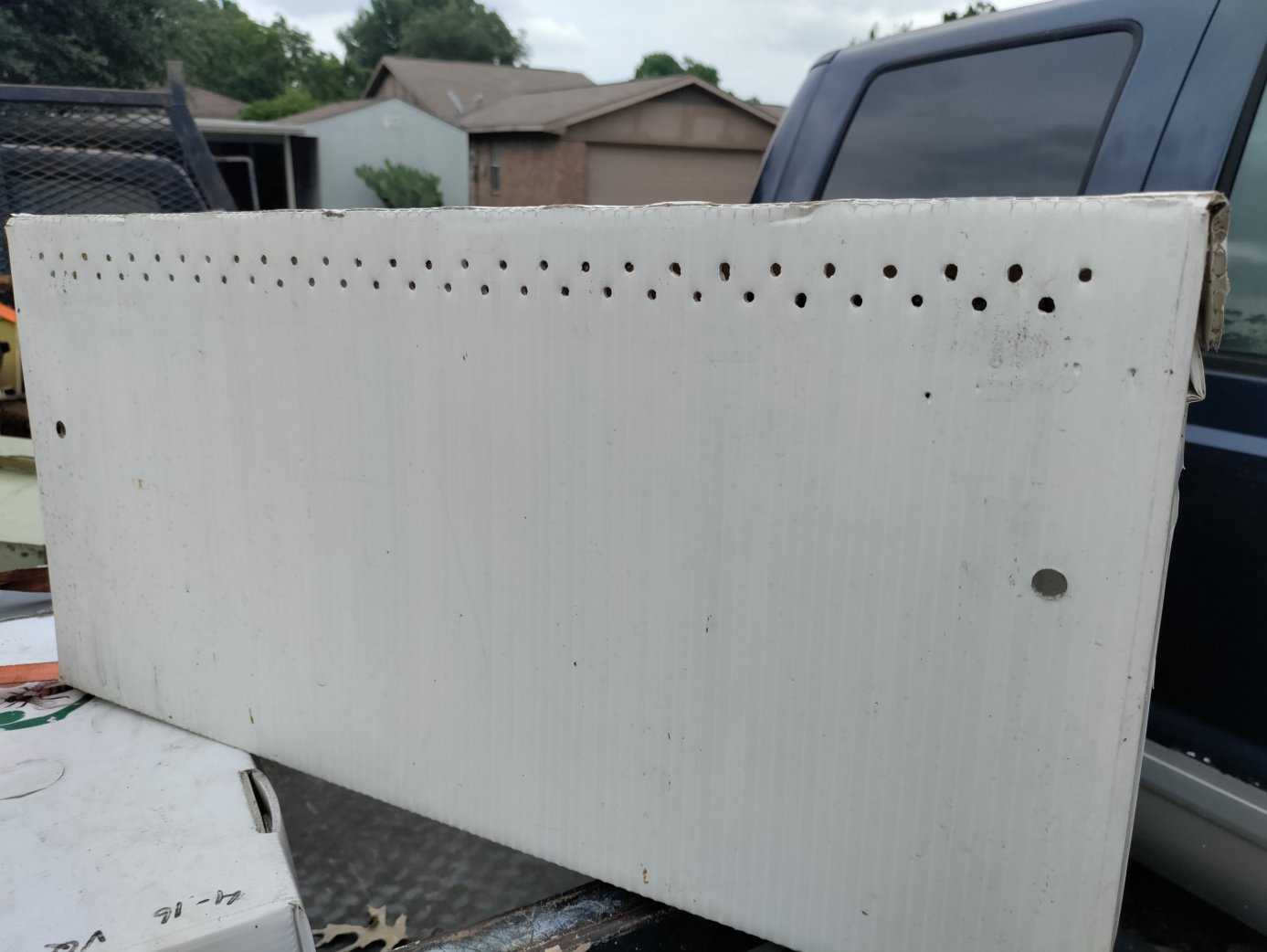
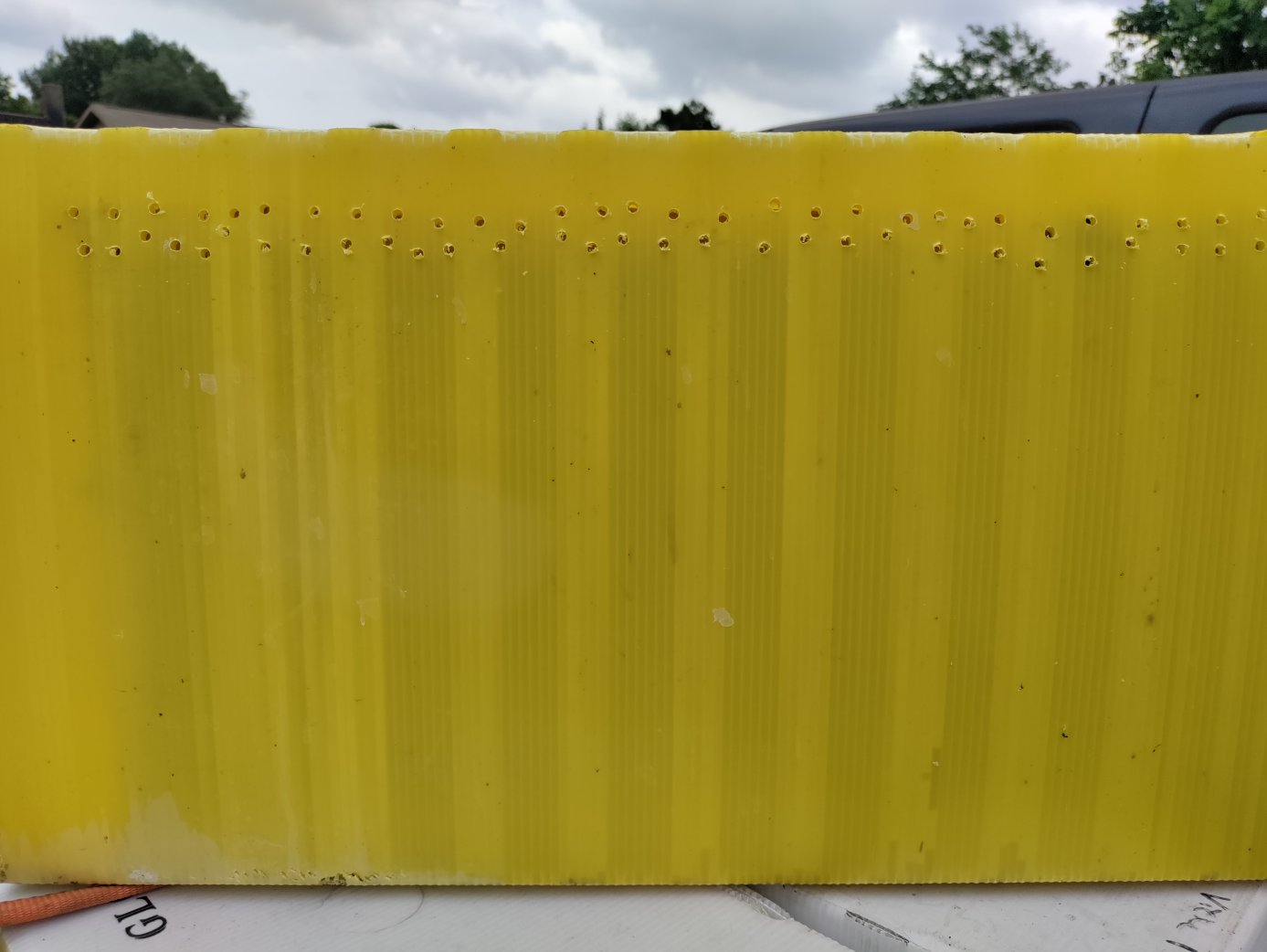
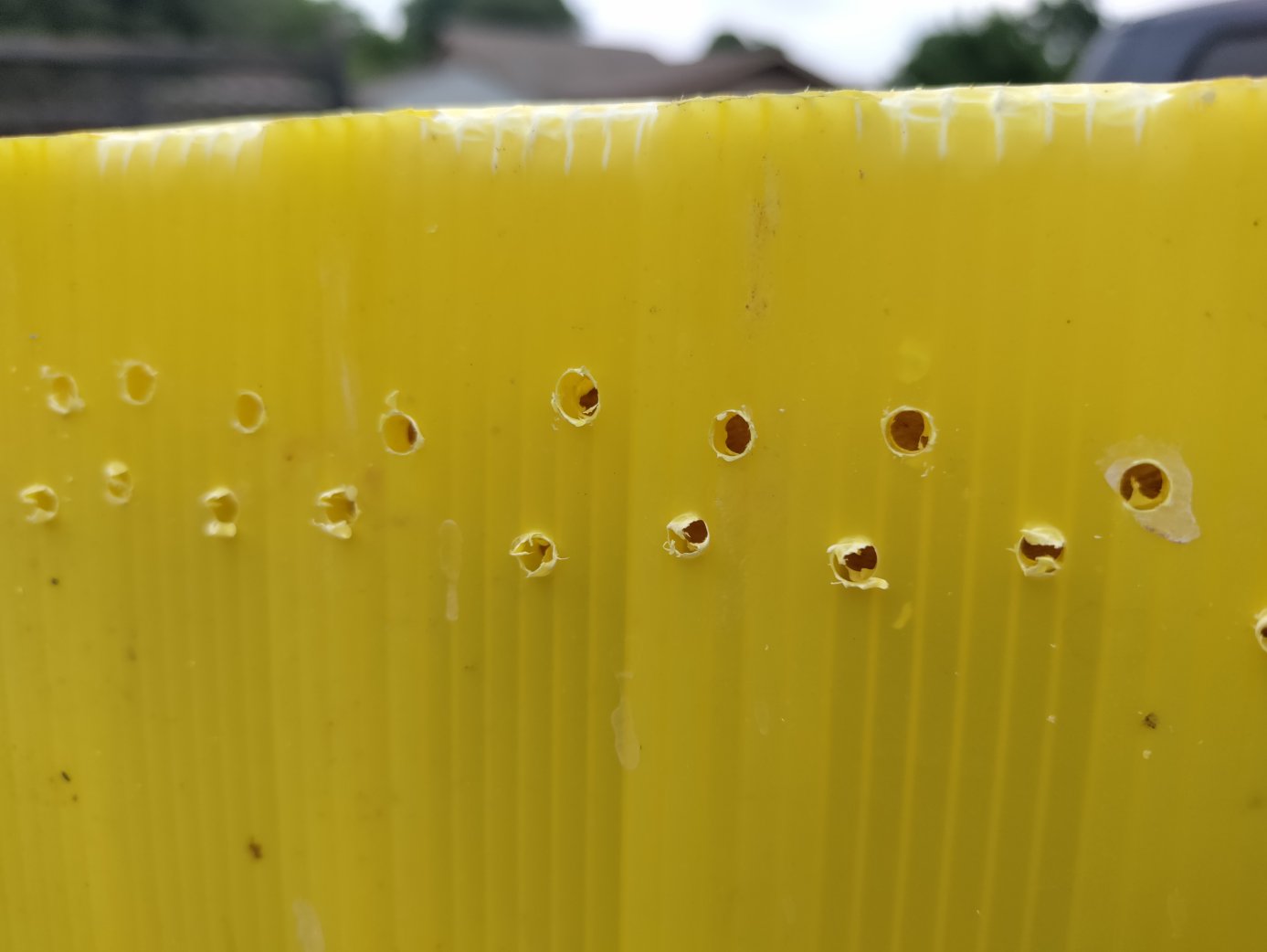
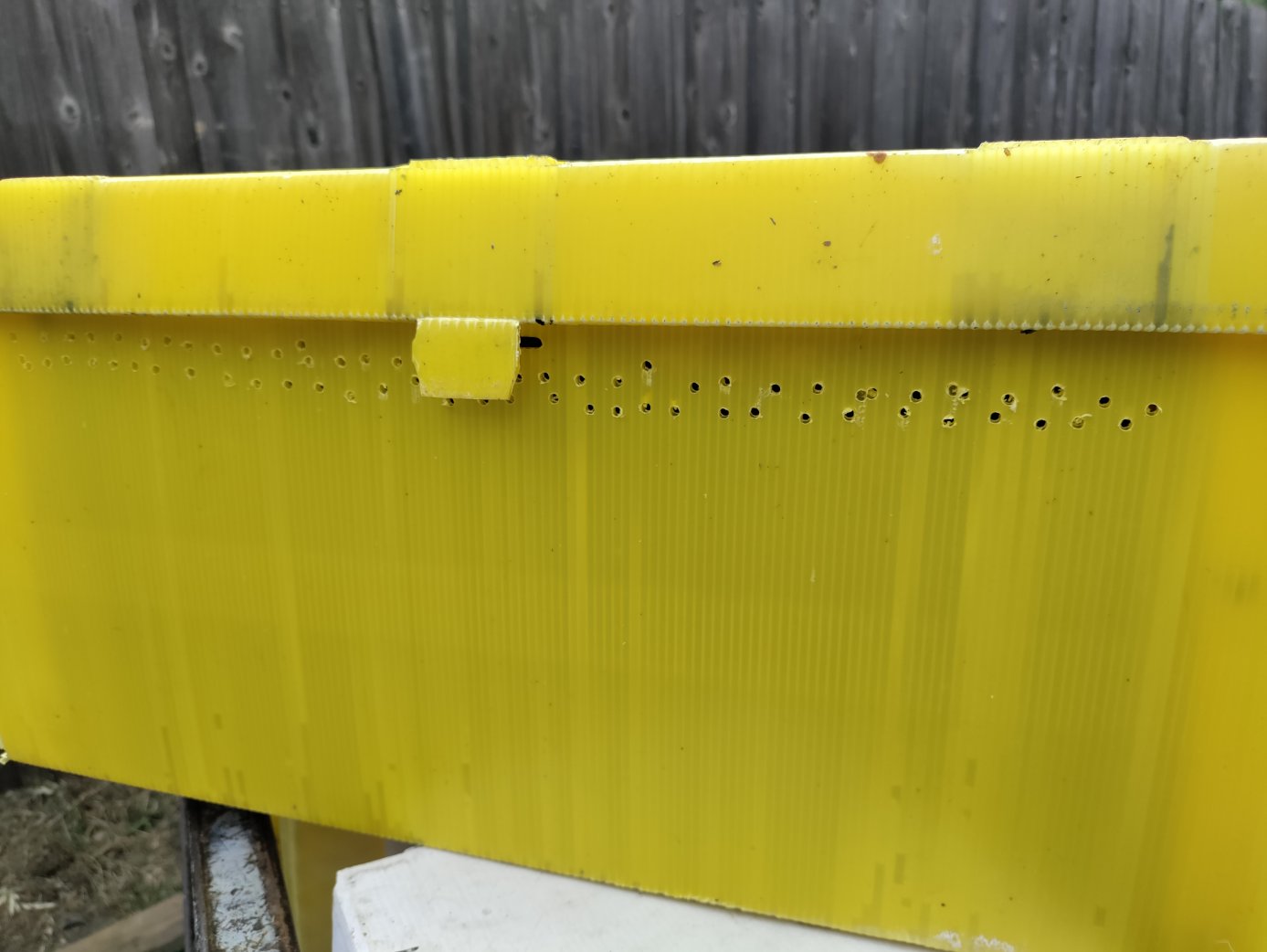
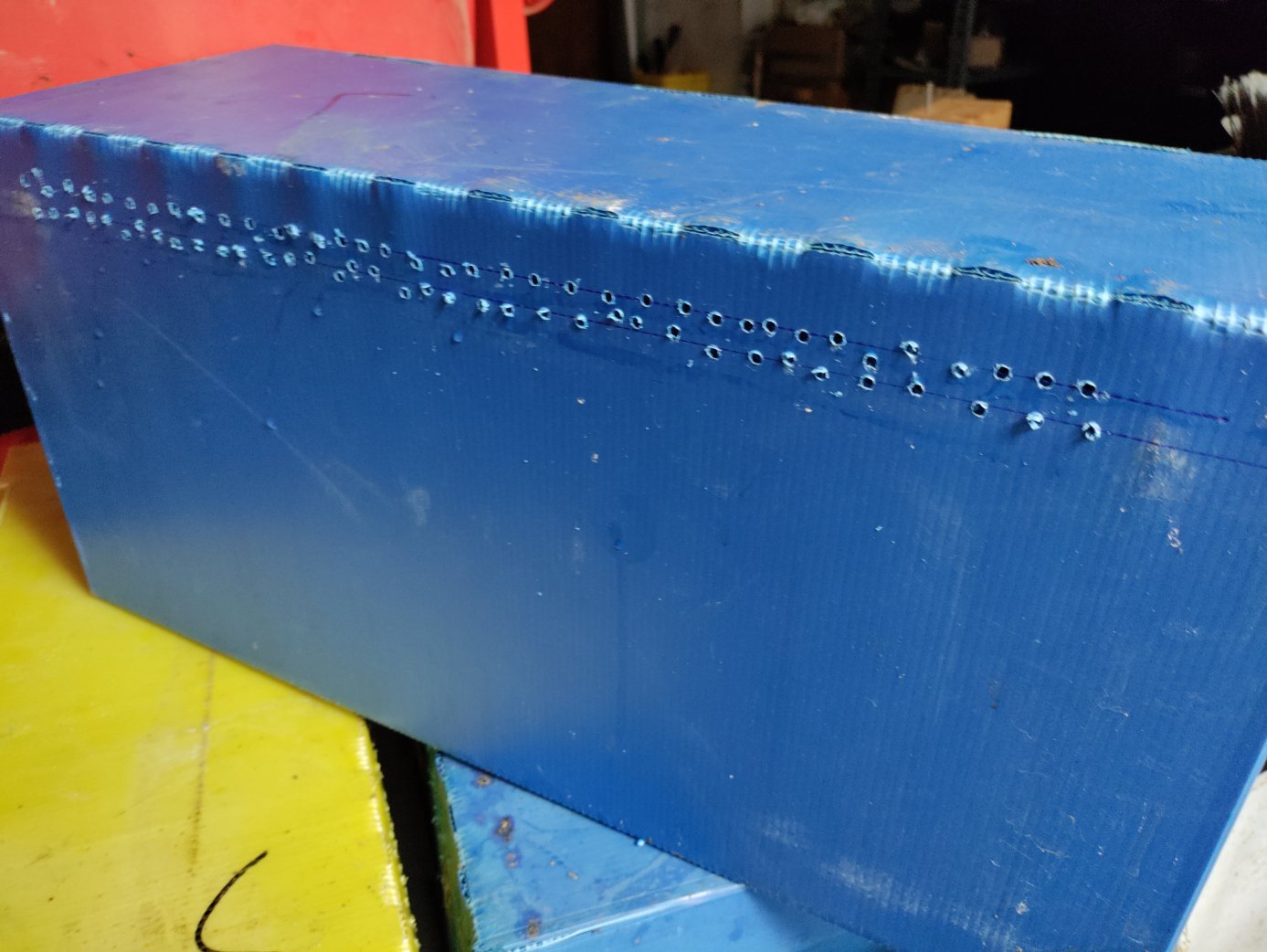
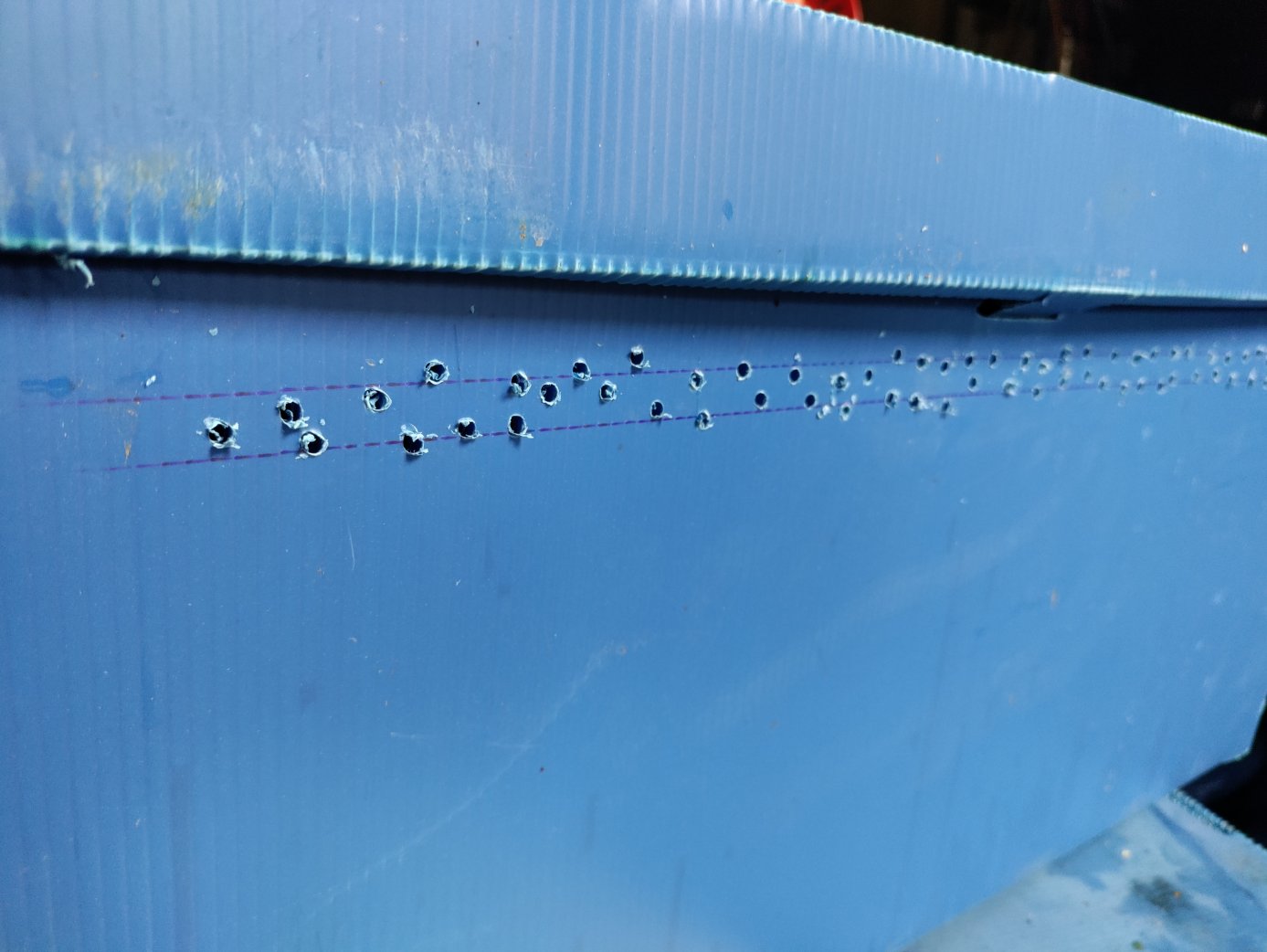
My fix today – is to use a 9/64″ drill bit (matching closely to the vent hole sizes in the EZ NUC boxes)     I have a set of cheap bits from Harbor Freight – and this size seems perfect.

The EZ-Nuc boxes have 27 holes in the top row,  and 26 in the bottom row.     I drew 2 lines to attempt (poorly) at a straight line when drilling the holes – they don’t have to be perfectly in line.   They just need to adequately vent heat – so there’s airflow, and the bees don’t overheat or bake in the boxes.

When the bees are moved to a real wooden box – be sure to remove any frames that may invite wax moth or Small Hive Beetle – and store indoors away from direct sun or UV light – as the light will QUICKLY degrade the plastic to dust within a season.


9/64″ Vent Holes added

9/64″ Vent Holes added

9/64″ Vent Holes added

9/64″ Vent Holes added

9/64″ Vent Holes added


Earth Day 2025 – Rooster Home and Hardware

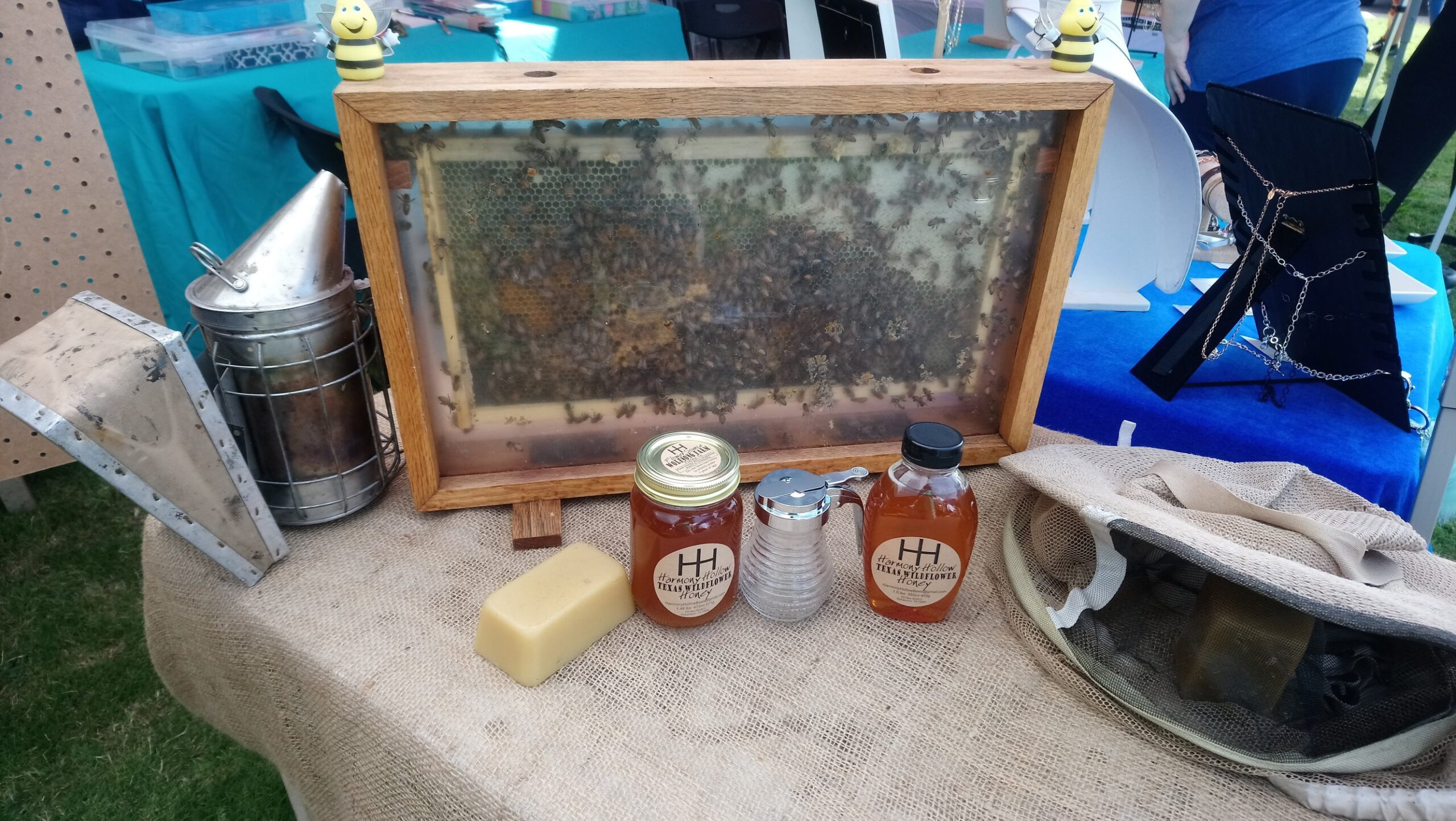
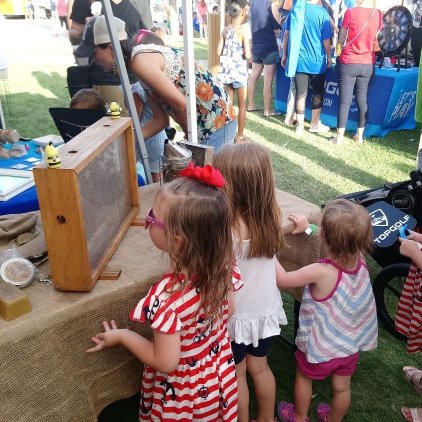
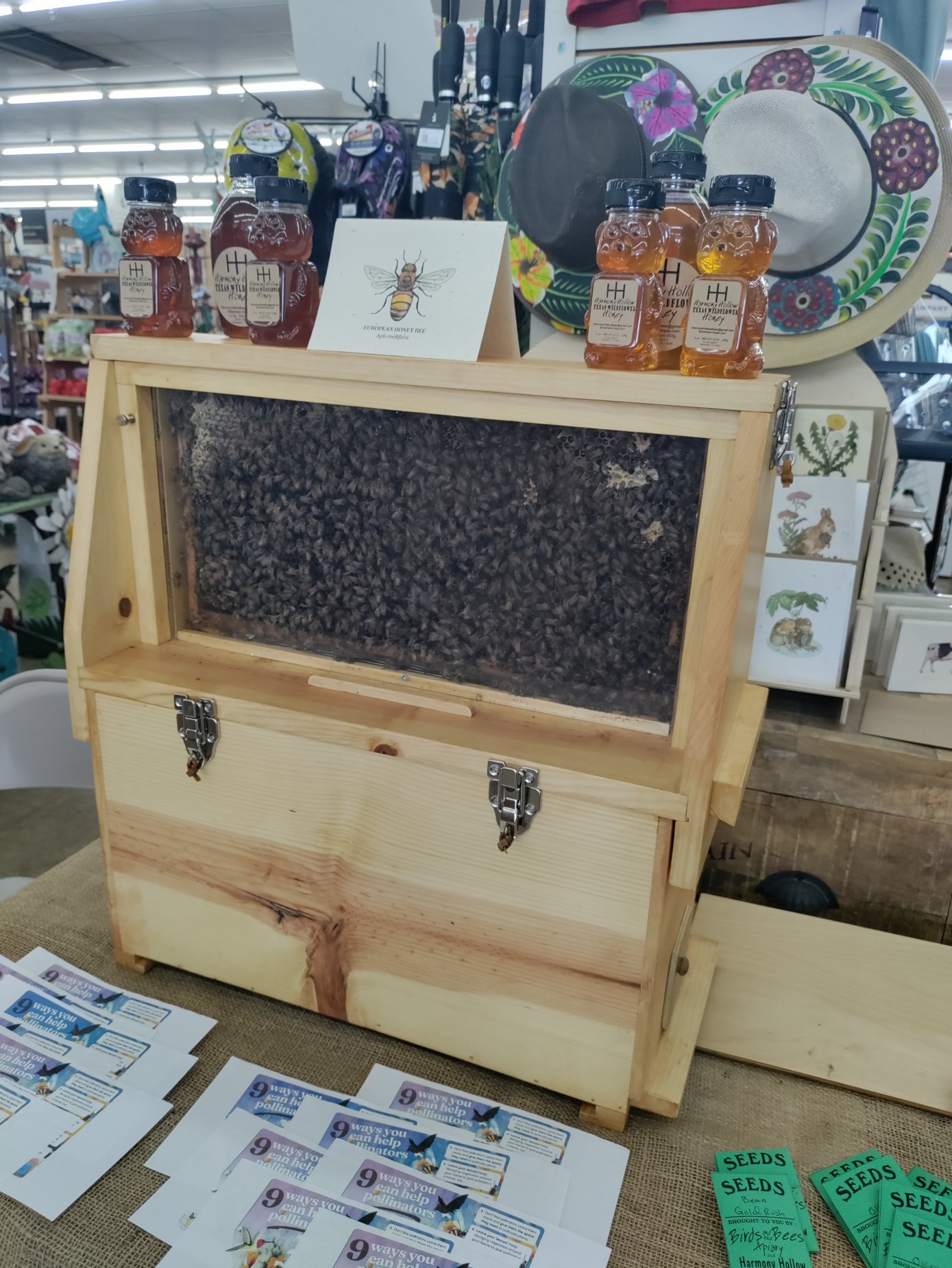
The Harmony Hollow Apiary bees in an observation hive will be at Rooster Home and Hardware on Saturday April 19th in their celebration of Earth Day 2025.   Come sample honey, see the bees, and maybe spot the queen!


Ag Valuation Questionnaire – Collin County – 2025

Clients in Collin County now have a questionnaire to fill out for their annual ag valuation for honeybees.   Here are some of the answers I can provide for you for filling that out – for properties where I am managing bees on your land:


  • When did you obtain equipment – (when placed on your property – each property/client will have a different start date)
  • Type of Bees:  Apis Mellifera (european honeybee)
  • Who’s the 3rd party bee wrangler:  Harmony Hollow Apiary / Rex Smith
  • Education – Texas Master Beekeeper Program + I teach classes for several bee schools in central Texas, and am active with Trinity Valley Beekeepers Assn. in Dallas
  • Queen Replacement – When signs of low population or behavior that is not conducive to management (i.e. excessively aggressively defensive, or no VSH qualities, etc)
  • Africanized bee prevention:  See above answer for queen replacement
  • Fire ant prevention:   Has not been an issue.  Granules such as Amdro are fine for placing on the ground under the hive stands, though.
  • Planting / Pollination : I’d suggest you have a garden so the bees can pollinate food for human consumption, or production of food for human consumption (i.e. honey).  Texas property tax code states: ““the use of land to raise or keep bees for pollination or for the production of human food or other tangible products having a commercial value.”  – which is what is stated in the Texas Tax code for bees for ag – pics of a garden or field are good documentation for you to have)  I also have a page on my website with a list of fantastic plants that benefit from the bees – and provide food for humans and other wildlife.  It’s pretty specific to each individual property – so you’ll need to provide that answer for your land.
  • Relocation of hives:  Done if needed to do utility work or if they are a nuisance to neighbors.  I try to eliminate the need for moving in the beginning placement by not having them near property lines where there is a structure nearby.
  • Winterizing:  In Texas – we simply make sure they have ample honey / syrup stores left on the hives in the Fall as we enter winter – and I supplement with nutrition sugar bricks.  Winter losses are expected, and are replaced in spring as soon as bees are available for placing on properties.
  • Expected harvests:   Bees ( more livestock) are the most common harvest, queens, honey – if excess is produced, and possibly wax are also produced.   Note that the lives and health of the bees is FIRST in my management – and honey production is not “expected” – but is great if it happens.
  • Expected production:  (presuming a question for honey: ) Unknown each year.  Depends on flowers, rainfall frequency and amount, and heat.  Strong colonies are used to create more hives to help cover upcoming expected winter losses.
  • How I’m making my product... – Honey (if produced) is extracted and sold.  Wax is melted with a solar wax melter, and used to re-coat foundation for the hive frames.    More livestock is made by producing splits from strong colonies.
  • Prevention and control of diseases:  Small Hive Beetle (SHB) Traps are added to most hives.  Wax moths are watched for – and excess space is minimized for the bee populations.  Periodic testing for mite load – and treatment with Oxalic Acid and / or ApiGuard.  Long-Term – queen genetics that provide the ability to deal with disease is optimal – but until then – treatments are utilized when needed.
  • Transport Permits:  – As of 2023 legislative session – TAIS no longer issues intrastate transport permits.  They do maintain a list of beekeepers of reference for each property – and I have listed myself as beekeeper for all my clients’ properties.
  • Other Documentation / Evidence:  The questionnaire mentions photos.  Take pics of the hives!   (Better to over-document!!) I’ll try to take pics when I open the hives and can text those to you periodically.   Otherwise – pics of the hives can be used – best, though, of you can discern bee activity at the entrance.  Be safe around the hives, though – I’ll take pics when I am there to manage the bees.   Feel free to provide a copy of our Colony Management Agreement – or the Land Access Agreement.   Those are written to continue on a quarterly basis after the contract dates end – so if you would like a freshly dated contract – let me know and we can sign a fresh copy.   I also provide at the end of each year – an Annual Synopsis for each client – where I show how many hives are on a property, and what was produced that has commercial value.  ( honey, nucleus colonies, queens, etc).