Archives

Author – Kim Flottum presenting at CCHBA meeting on 6/13/2016

Kim-Flottum-Picture1Kim Flottum, author for Bee Culture: The Magazine of American Beekeeping – will be presenting tomorrow (Monday 13 June 2016) at the Collin County Hobby Beekeepers Assn. monthly meeting.  Click HERE for Kim’s website

From his bio page:

After receiving a degree in horticulture from UW Madison, Kim Flottum worked four years in the USDA Honey Bee Research Lab, studying pollination ecology. After that, he spent two years raising acres of fruits and vegetables, where bees played a large role. He brings this experience, plus nearly 20 years of writing and editing articles for beekeepers in the monthly magazine Bee Culture. He is the publisher of books on honey bee pests and diseases, marketing, queen production, beekeeping history, beginning beekeeping, and the classic industry reference, The ABC & XYZ of Bee Culture.

The meetings are held on the Collin College campus on the 2nd Monday of the month, in the Conference Center of the Central Park Campus – at 2400 Community Ave., McKinney, Texas.  Meetings start at 6:30pm.

Collin County Hobby Beekeepers Assn website.


Wastewater Treatment Plant Bees

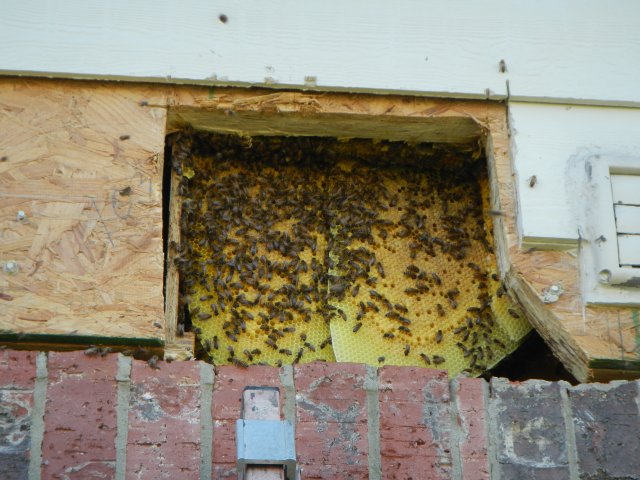
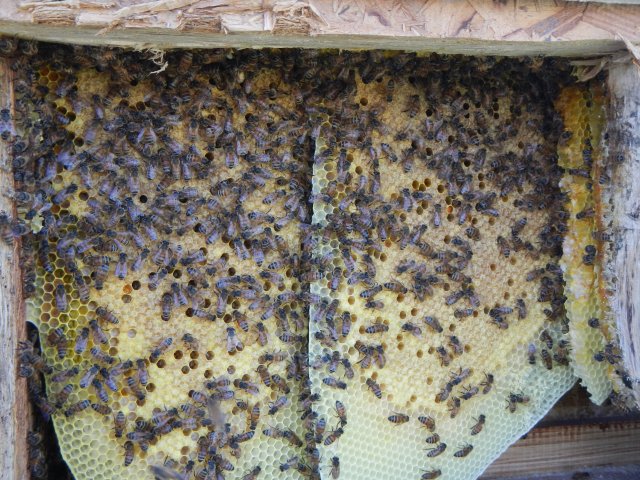
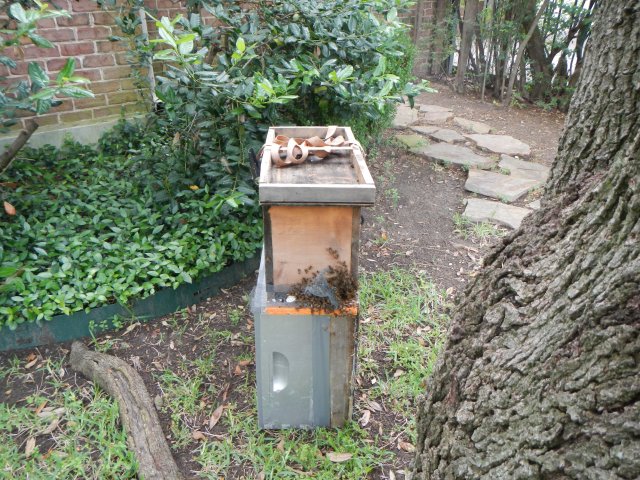
This North Texas Municipal Water District wastewater treatment plant has had bees in the past.  This year – they have them again.  From the look of the comb, these bees have occupied this space right at a month to 6 weeks.  The queen was a bright orange color, and easy to spot.


Lions and Tigers and Bees, Oh My!

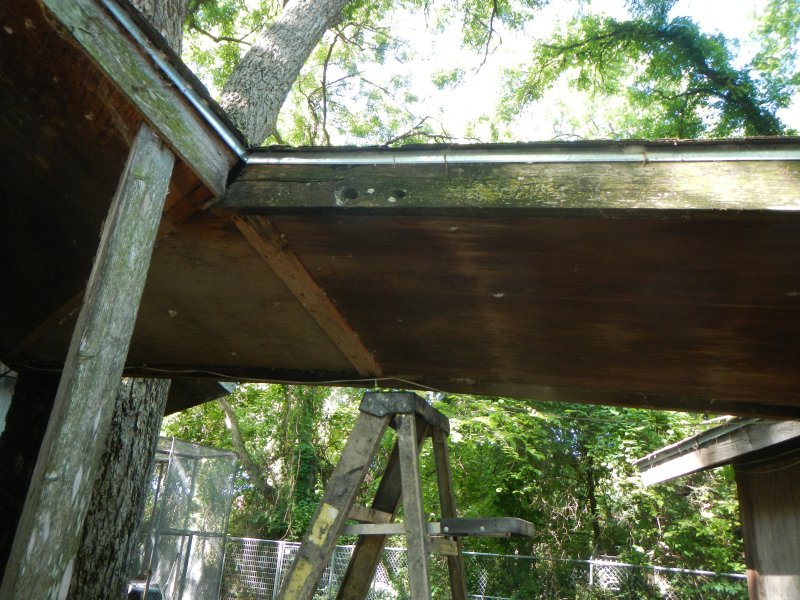
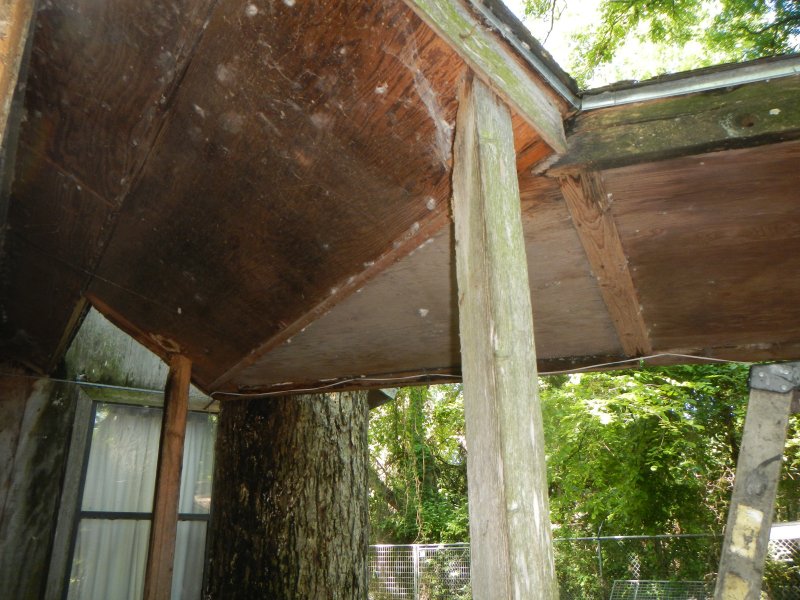
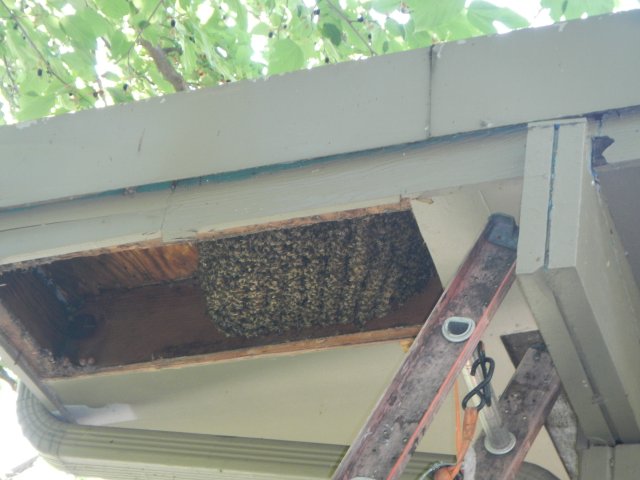
Honeybees have lived in the roof space of this breezeway between the house and garage for at LEAST the last 8 years (since the homeowners bought the house – and for years before they bought it).  This property is located in Wylie, Texas, and was hit hard by the hail storms earlier this spring.  When the roofers learned about the bees – they insisted that the bees be removed before they would repair and replace the roofing of the home.

LTBDscn3269

LTBDscn3271

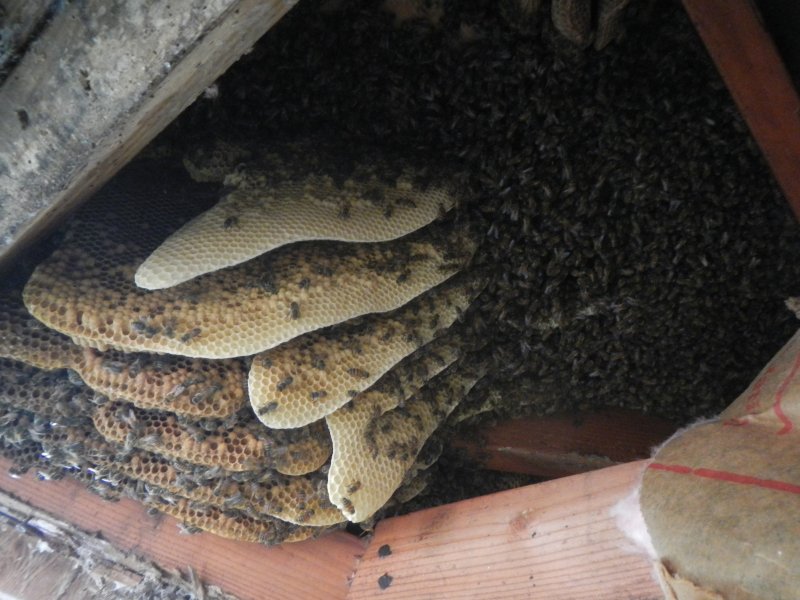
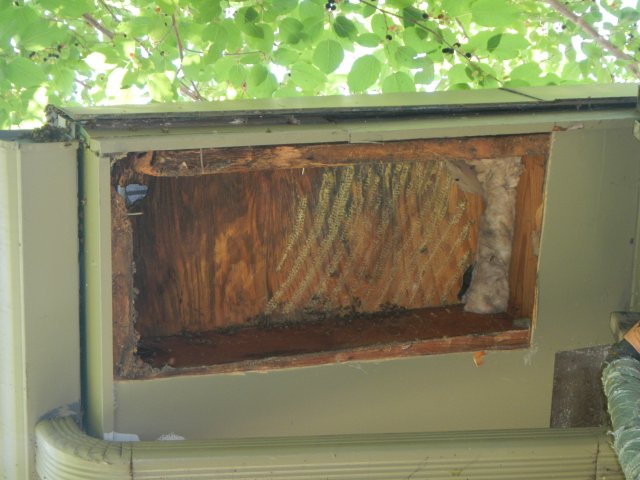
We had no idea what to expect when opening the void space, since we knew that bees had occupied the void for so long.   Luckily, while the colony was sizeable – it was not as large as it certainly could have been.

LTBDscn3276The cluster of bees was about the size of a basketball once I had removed the brood area comb from the roof line.

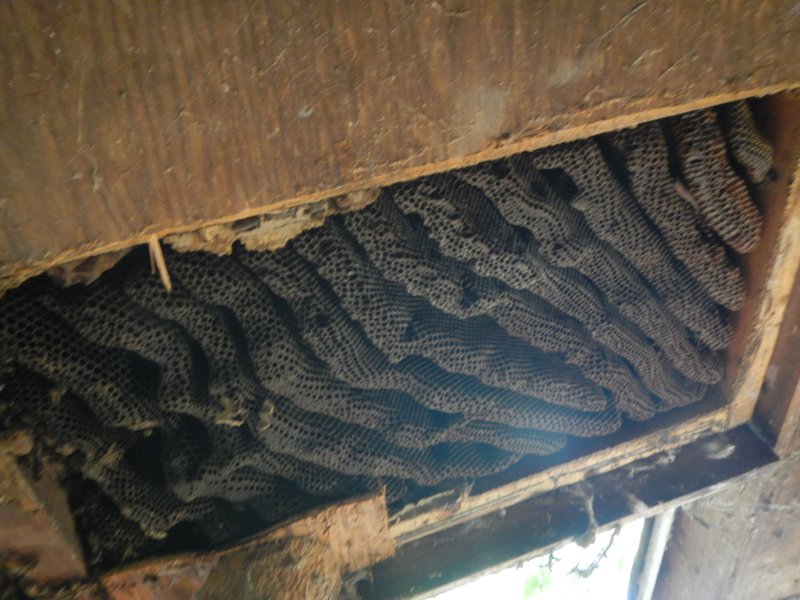
LTBDscn3286

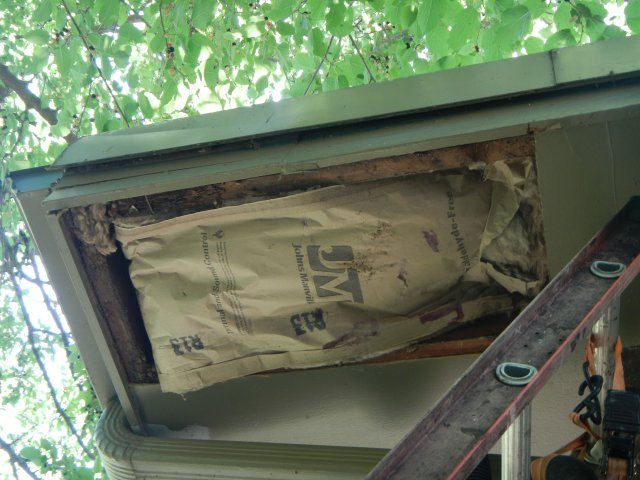
Another section of soffit had unused comb that was OLD.  All of this was removed as well.  The queen was found in the vacuum catch-box once I took all the comb and bees to the Harmony Hollow Bee Yard – and the bees were reunited with their saveable comb and put into a standard commercial type of hive.

This property was unique in another aspect:  It is the location of In-Sync Exotics Wildlife Rescue and Education.

LTBDscn3290

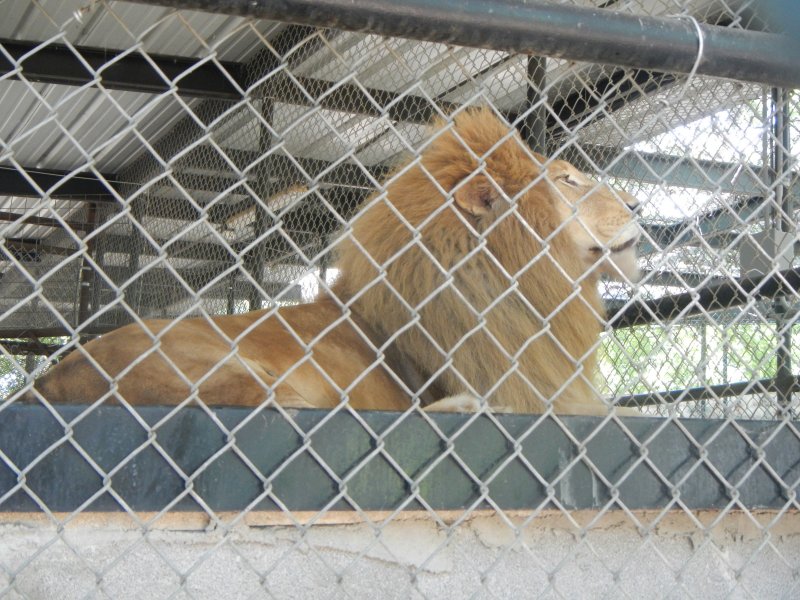
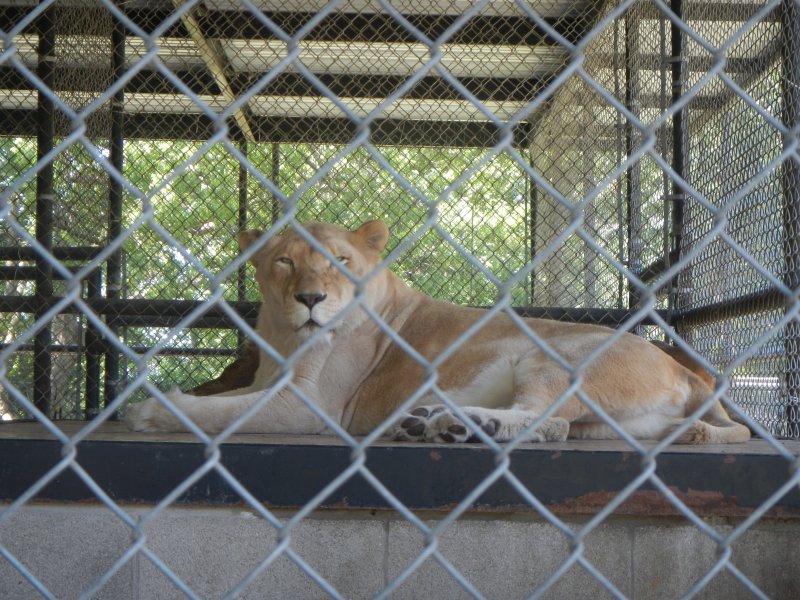
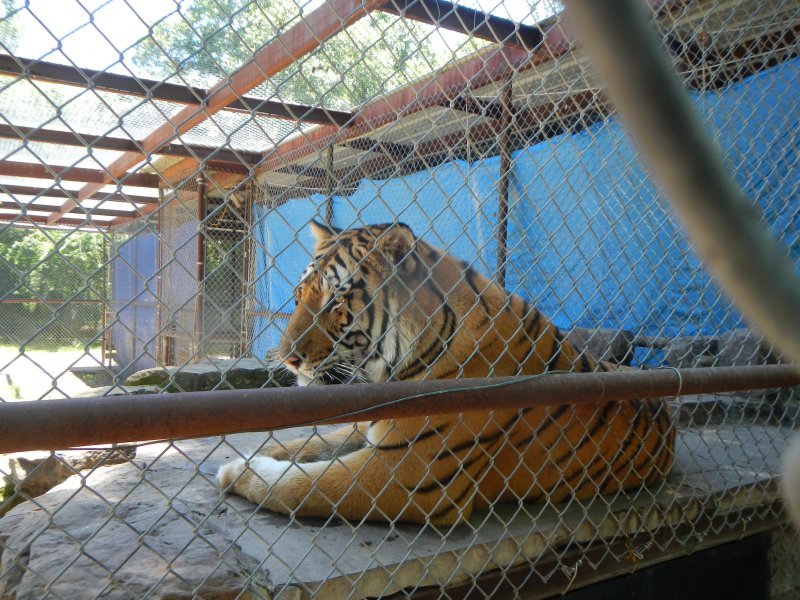
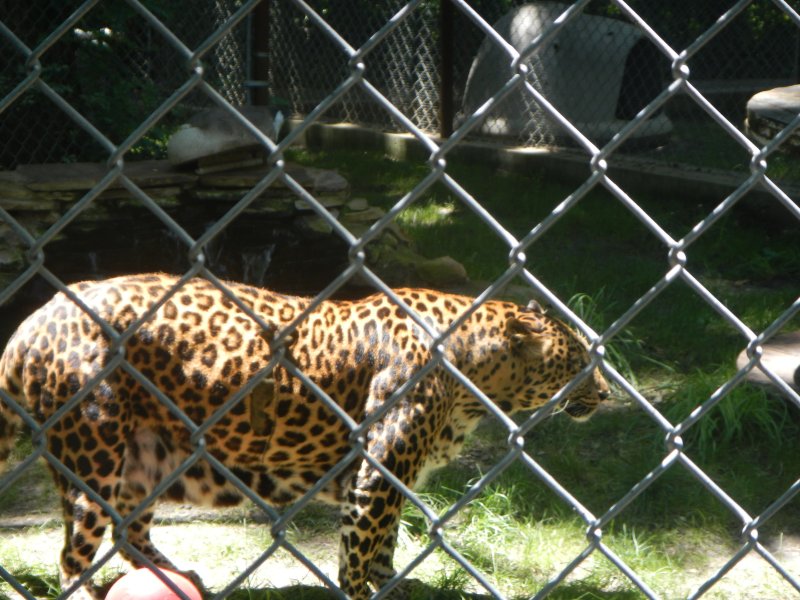
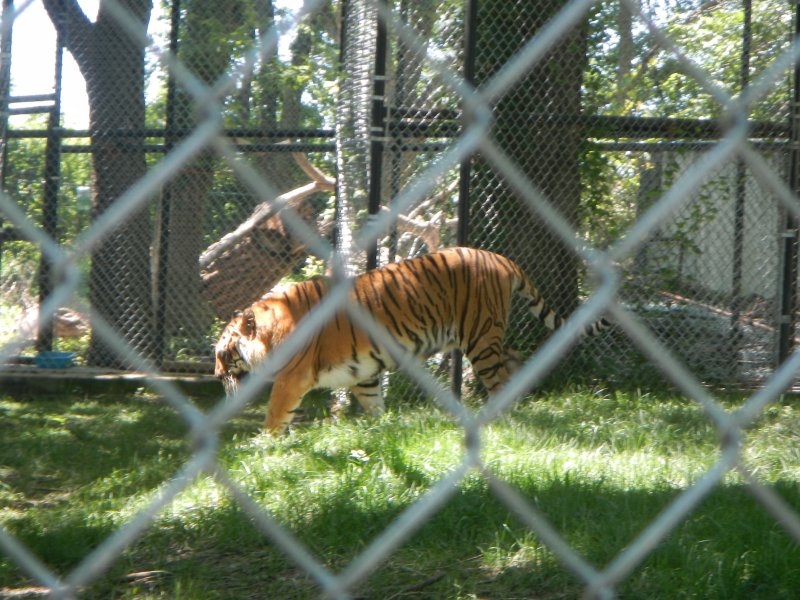
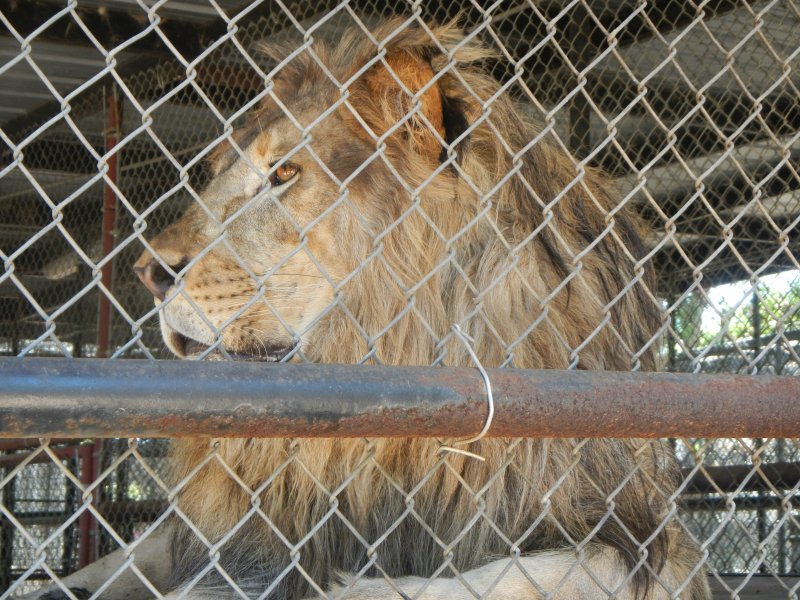
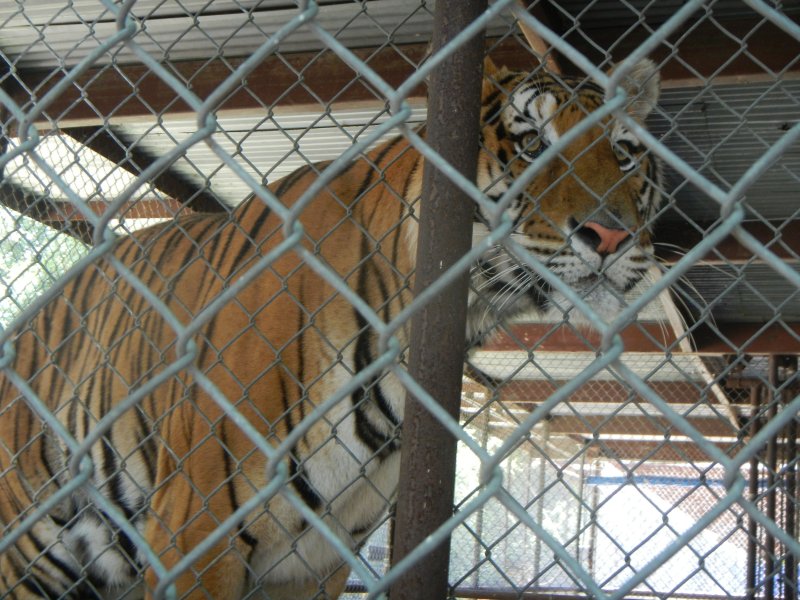
Once I finished with the bees, I was taken on a short and marvelous tour of the big cats on the property.  Here are a few pictures that came out nicely.   I would encourage you to visit this sanctuary in Wylie, Texas – and take a look at the cats they have saved.  Many of them arrived in very poor health, starved, and underweight – and through the tireless work of Vicky & Eddie Keahey – as well as their approximate 200 volunteers annually – these large cats are brought back to health.  Please do take time to look through the stories of the cats on their website – and consider donating towards their care.  (I watched as they were allocating out their daily diets – and it is a HUGE amount of food that is consumed by these cats)

LTBDscn3306

LTBDscn3302

LTBDscn3318


LTBDscn3309

LTBDscn3292

LTBDscn3320

LTBDscn3324


Smoking Out Bee Mites (USDA Article)

The following article was forwarded to me from a friend.    It indicates that at least 20 years ago, research was being done to determine ways to get rid of the varroa mites.  We now have other treatments available to us to use.  And some beekeepers use methods that range from “apicentric” to the other end of the spectrum in a full chemical warfare.   Either way – bees and beekeepers are dealing with our dreaded “bug on a bug”.

The original article from the United States Department of Agriculture is linked at the end of this post.
The article states as follows :

Smoking Out Bee Mites

Beekeepers have a long-established practice of using smoke to calm their bees before opening the hive. Now U.S. Department of Agriculture scientists have found another potential benefit from smoke: Some plants, when burned, give off natural chemicals that control honey bee mites.
Brownish-orange bumps on the backs of these bees are Varroa jacobsoni mites. Photo by Lila De Guzman. Image Number K5069-21

Brownish-orange bumps on the backs of these bees are Varroa jacobsoni mites.
Photo by Lila De Guzman. Image Number K5069-21

Frank A. Eischen, an entomologist with USDA’s Agricultural Research Service in Weslaco, Texas, has found that smoke from certain plants either kills varroa mites or causes them to fall off the bees.

This mite began infesting honey bee colonies in the United States in the 1980s, was discovered in 1987, and has since become the biggest threat to managed honey bees. The mites attach to bees and feed on their blood. If the infestation is severe and left untreated, the mites usually kill the colony.

The standard treatment for the mites is fluvalinate, a synthetic pyrethroid harmless to the bees. Beekeepers put fluvalinate-impregnated strips in their hives to kill mites, but they can use the strips only during times when bees are not making honey. Otherwise, the chemical could contaminate it.

Another problem with fluvalinate is that European researchers have reported that mites are developing resistance to the chemical.

Several years ago, Eischen began looking for alternative controls for mites. So far, he has tested smoke from about 40 plants. The first one he tried was a desert shrub called creosote bush, native to Mexico, Texas, and other areas of the Southwest. A Mexican beekeeper, David Cardoso, had recommended that Eischen test the olive-green plant, known in Mexico as gobernadora.

Eischen set up a standard lab test, placing 300 to 400 mite-infested bees inside a cage and covering the cage with a plastic container. Then he put the plant material inside his smoker, lit it, puffed the smoke into the container, and corked the plastic container opening to prevent the smoke from escaping.

He kept the smoke inside for 60 seconds, then removed the bees. Next, he placed the bees over a white, sticky card to catch any mites that fell off the bees.
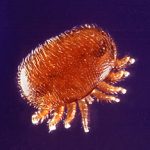
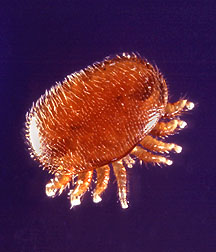
Varroa jacobsoni mite. Photo by Scott Bauer. Image Number K5111-10

Varroa jacobsoni mite. Photo by Scott Bauer. Image Number K5111-10

“Lo and behold, the smoke from creosote bush was knocking down mites right, left, and center,” Eischen says. “It gave us the idea to start looking at other plants that, when burned, give off chemicals that removed the mites without harming bees.”

Among the 40 different plants Eischen has tested, the most promising plants are creosote bush and dried grapefruit leaves. Creosote bush smoke achieves a 90 to 100 percent mite knockdown after 1 minute, but Eischen says that excessive exposure can harm the bees. “It’s similar to burning tobacco in that respect,” he says. “It’s hard to find chemicals that remove mites without harming bees.”

Grapefruit leaves fit that description. After 30 seconds, smoke from the grapefruit leaves knocked down 90 to 95 percent of the mites in the cage test. With grapefruit leaves, however, few of the mites are killed. Most simply fall off the bees.

“The smoke chemicals either irritate the mites or confuse them. We aren’t exactly sure,” Eischen says. “But we do know that the grapefruit leaf smoke doesn’t seem to have any bad effects on the bees at all. The bees come through fine.”

Eischen stresses that the findings thus far are preliminary. “These are crude experiments, and we haven’t yet analyzed the active chemicals in the smoke that knock down the mites,” he says.

“We’re not yet telling beekeepers to use these methods for controlling varroa mites,” says Eischen. “We’re using these experiments to try to identify and isolate the chemicals that act as miticides.” — By Sean Adams, ARS.

Dr. Frank A. Eischen is at the USDA-ARS Honey Bee Research Laboratory, 2413 E. Hwy. 83, Weslaco, TX 78596; phone (956) 969-5007.


 

The original article is located here: http://agresearchmag.ars.usda.gov/1997/aug/mitesmoke/

Another Brick In the Wall

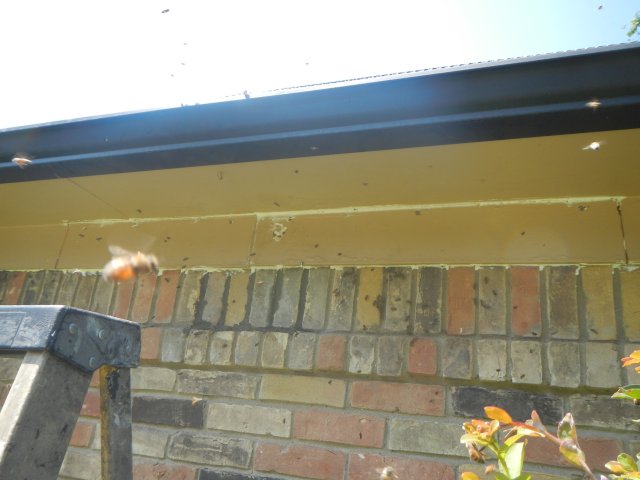
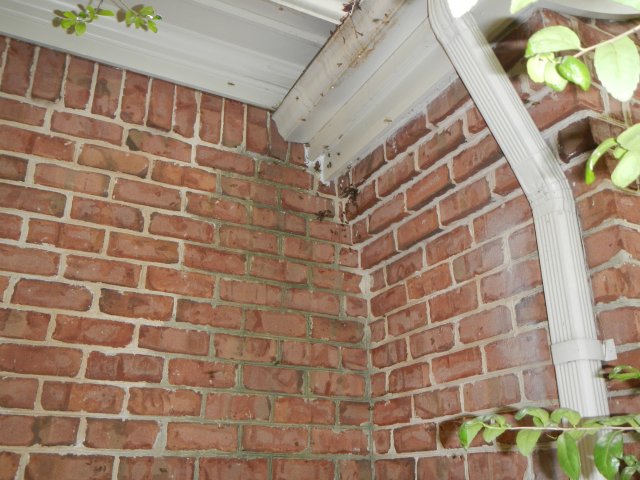
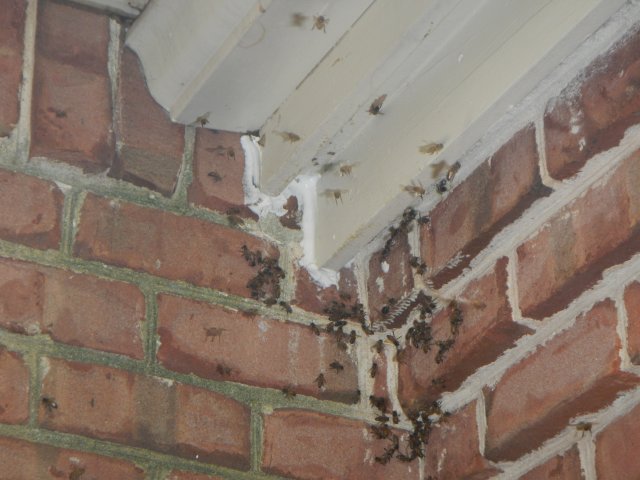
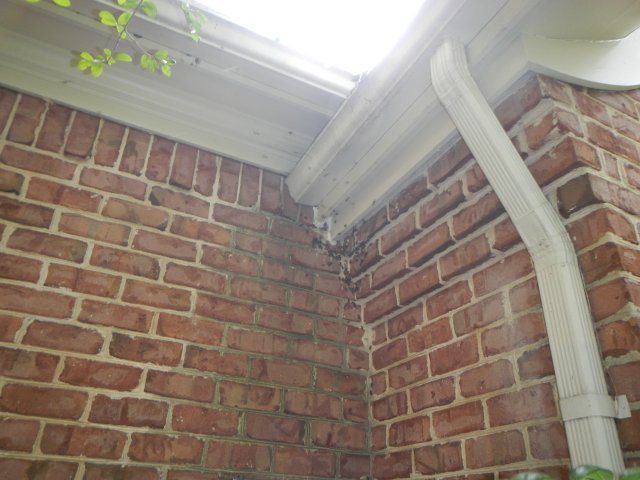
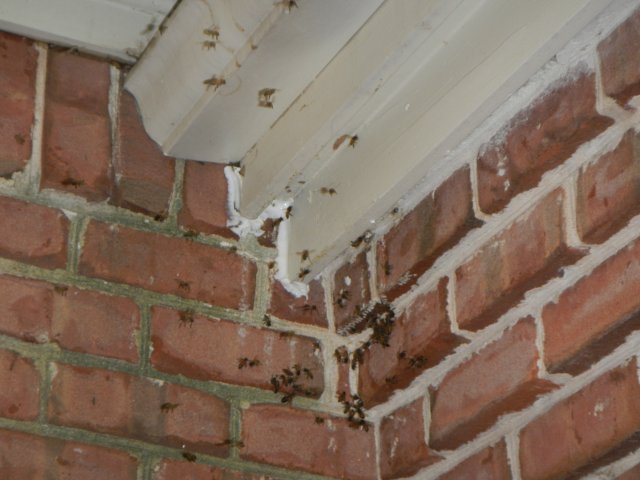
Luckily, these bees have only been in this home for about 2 months.  The homeowner was trying to do yard work – and was getting tagged occasionally by bees – so his wife made sure that he called a beekeeper to do a live removal (as opposed to having them exterminated).

Dscn3146

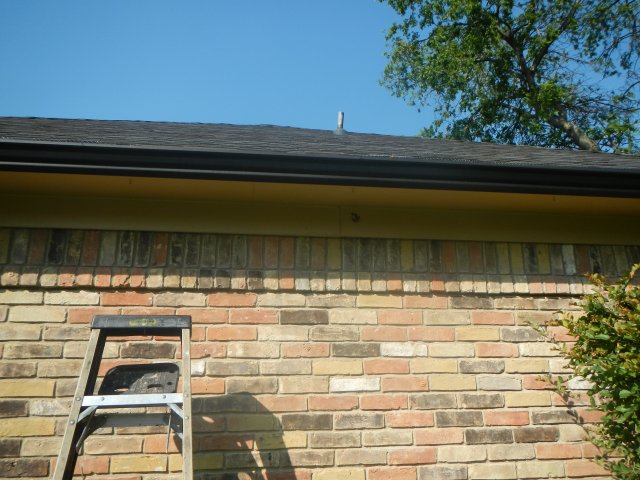
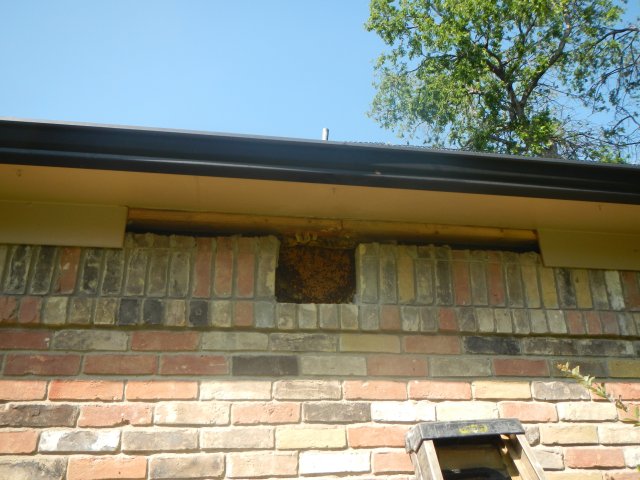
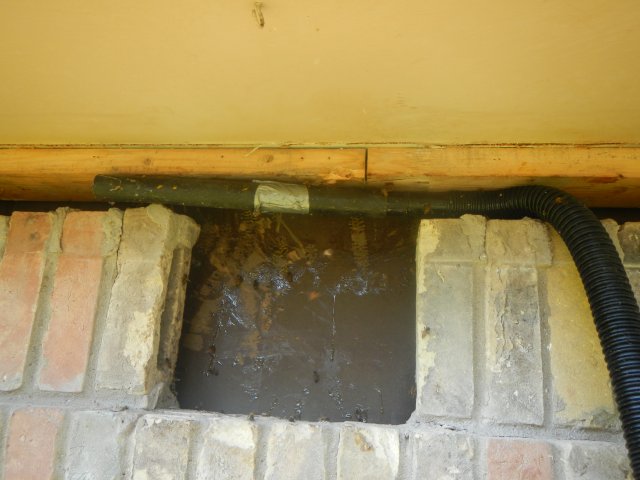
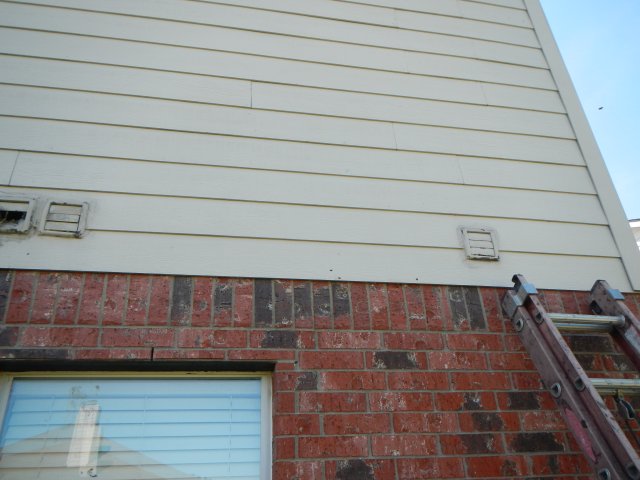
They were entering at the soffit trim level (trim-to-brick transition).  Usually this places the hive into the soffit – HOWEVER – this time, I know that was unlikely – as the soffit was not shaded by a tree or by a higher portion of the home.  The attic & soffit space in this case – gets WAY too hot for comb to stay solid – and is too hot for the bees to survive.

Dscn3147 Dscn3148

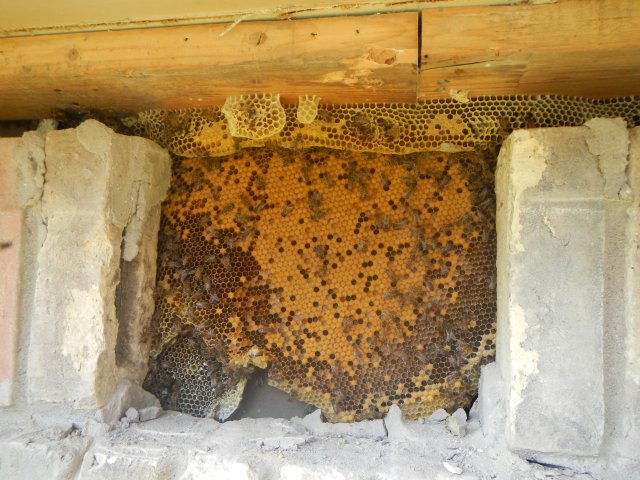
They had to be lower – in the area shaded by the soffit.  As soon as the trim was removed, I could see comb going downwards – behind the brick.  After a brief discussion with the homeowner to confirm with him about the hive location – I proceeded to remove 4 bricks to access and pull out the comb.

The queen was found and caged, and the remainder of the bees were collected into a hive body.

Dscn3151Then repairs to the brick commenced.  (note – repairs are ALWAYS the responsibility of the homeowner – however, it is advisable to close the area pretty quickly – so I can do the non-cosmetic repairs – and can typically quote a price before starting the removal.)
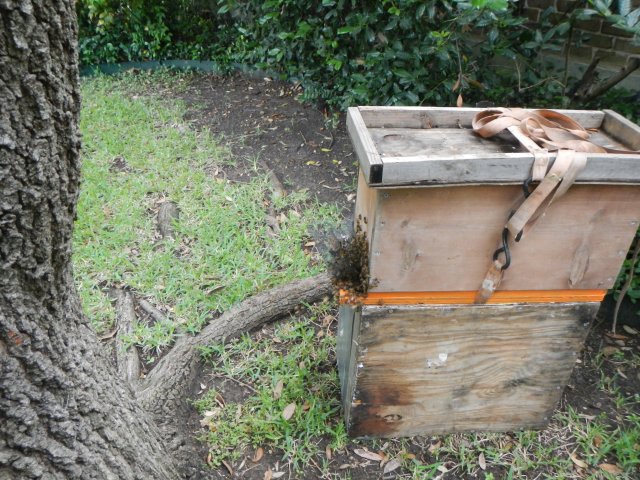
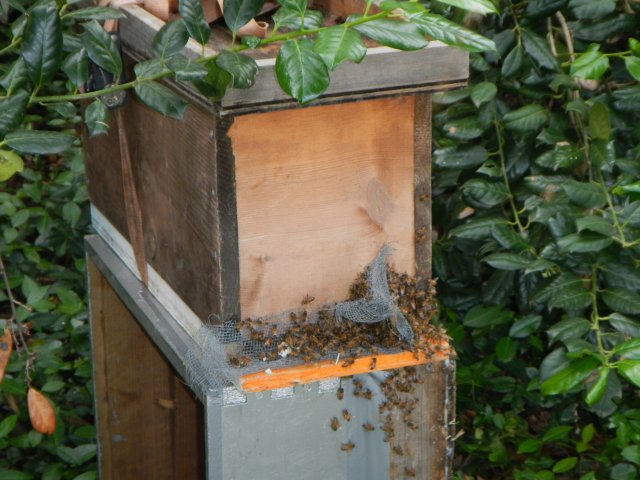
Dscn3159


Honeybee Out-Yard

A friend of mine has inquired several times about having hives put on their land – both for adding to the biodiversity of the land and flora, but also for the State Agriculture Exemption that includes having honeybees as livestock.

Every county can decide how many hives per acre are required, and the tax exemption is currently for a minimum of 5 acres, and up to 20 acres.

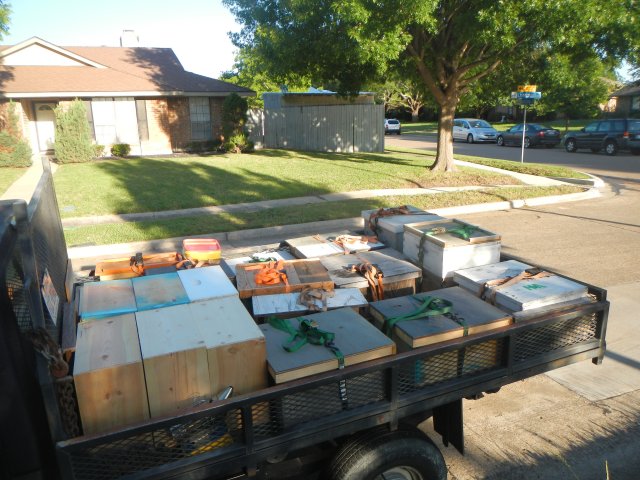
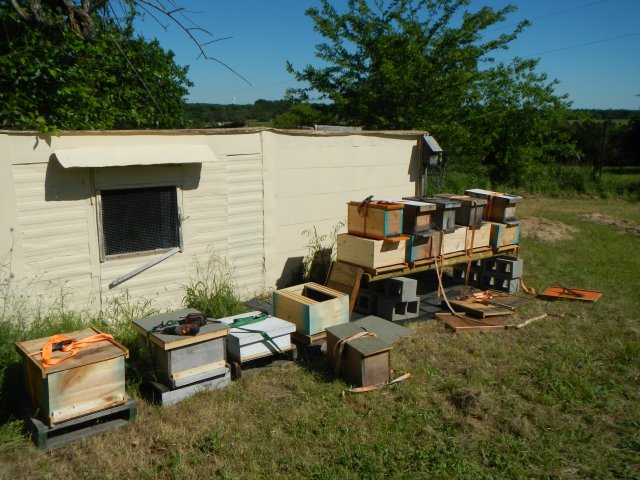
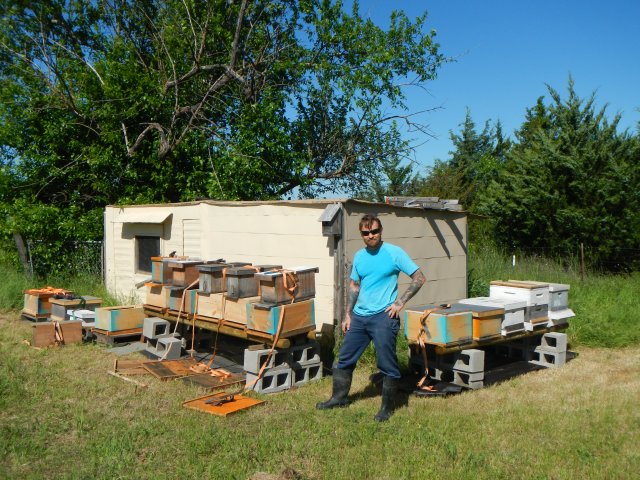
Hives were loaded up the night before

Dscn2990_sm

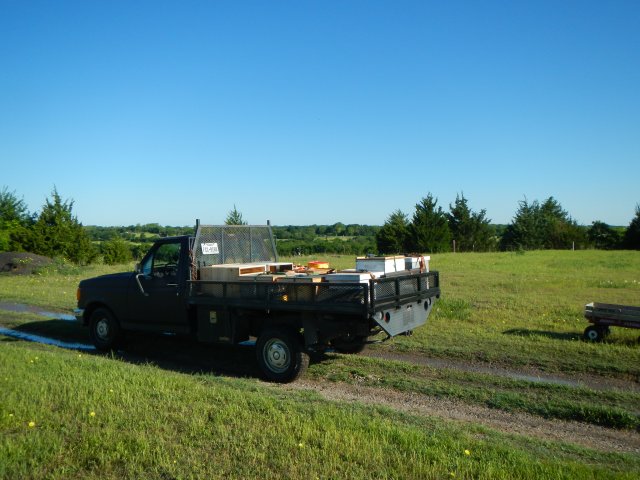
Then driven to their property.

Dscn2993_sm

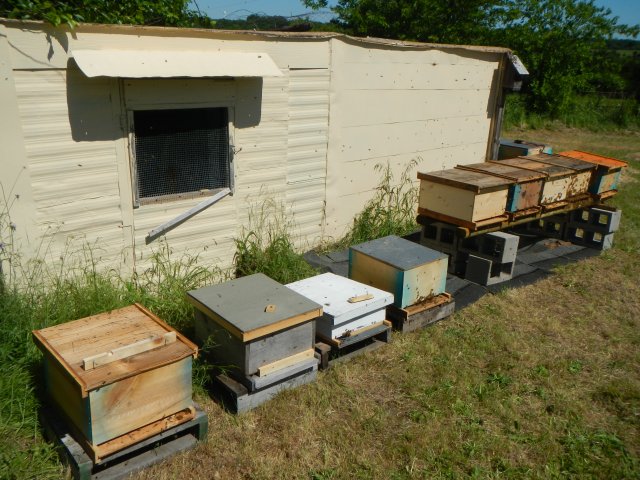
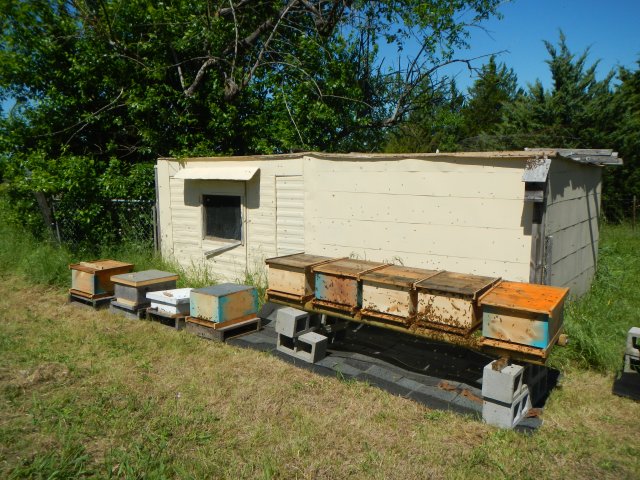
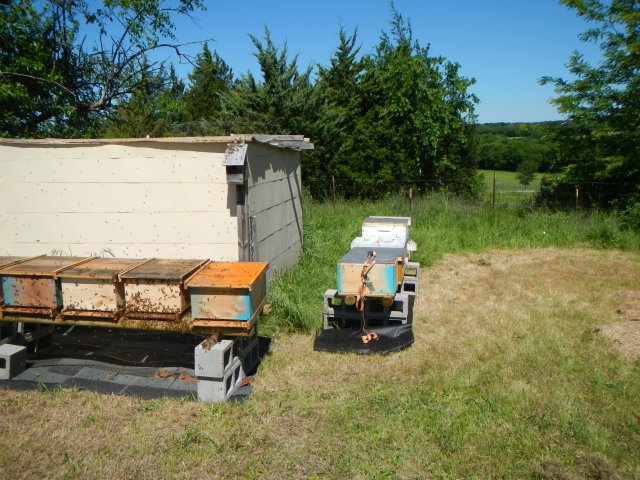
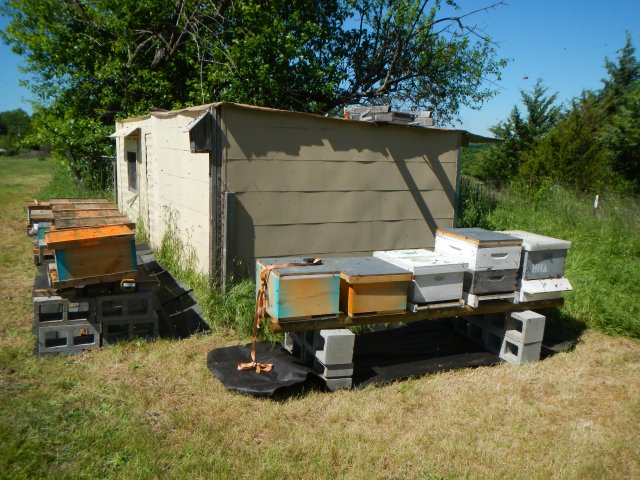
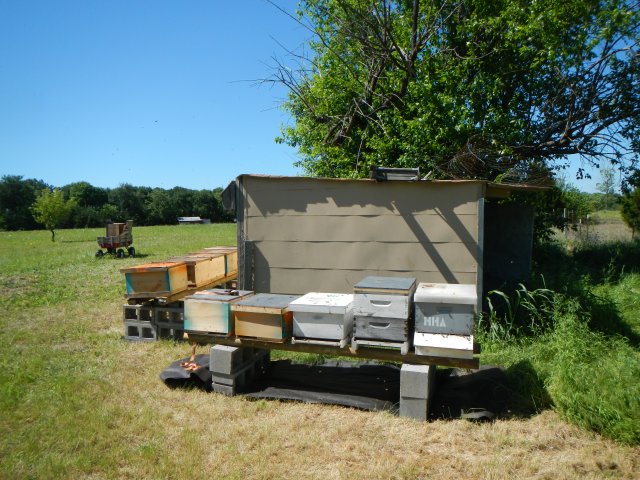
and setup onto hive stands.  Each holds 5 hives (4 comfortably, 5 hives are pretty tight together)

Dscn2995_smDscn2996_sm
Some of the hives were smaller 5-frame hives that were ready to move up to full-sized 10-frame boxes.  The bees are all setup in front of an unused chicken coop.

Dscn2998_sm Dscn2999_sm Dscn3000_sm Dscn3001_sm Dscn3002_sm


Somewhere Over the Bedroom

Honeybees moved into this space over a bedroom (in the joist space between floors) about a month and a half ago.

The bees were not a problem for the homeowner, however, they were concerned for the safety of their dogs – so called to have the bees removed.

Dscn3037The bees are entering at the junction of where the siding meets the brick.  There was about a 1/4″ gap.  The bees had taken up residence just behind the band-board of the joists – but not accessible from the drywall area of the bedroom.  The comb width was about 16″ (joist spacing), by about 12″ tall.

Dscn3039 Dscn3040


External Hive Removal

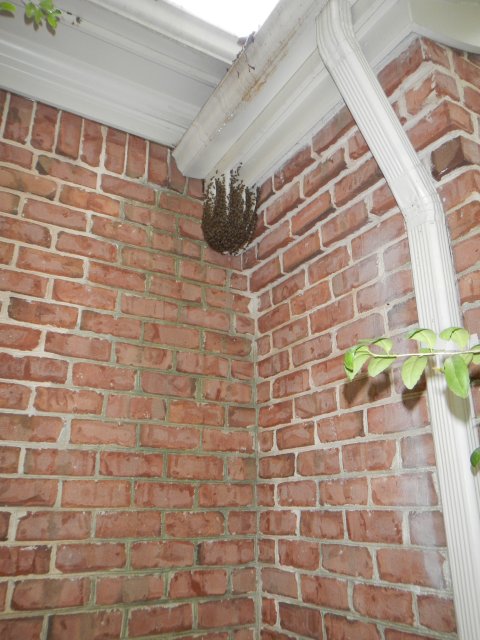
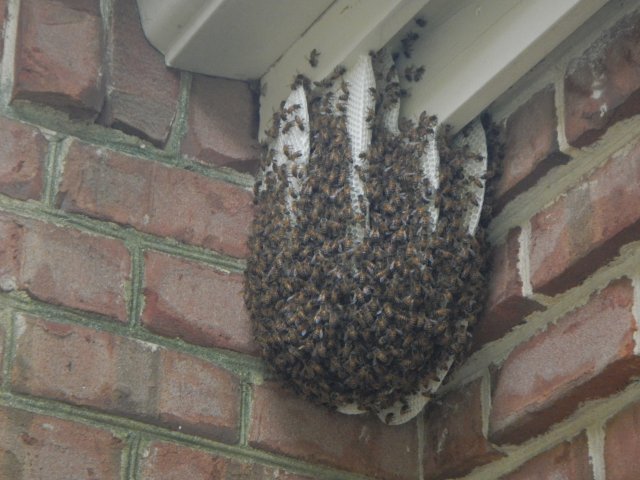
This home has had a colony of bees on the side for about a month.  The homeowner was informed about the bees – and a call was made to investigate and get them to brighter pastures.

Here’s the view as I peered through the shrubbery:
Dscn3134 Dscn3135

I could not tell yet (for certain) whether or not this was a new hive – or an extension of a larger hive within the soffit or wall.  After removing the external comb – it was determined that the hive did NOT go into the structure of the home.

The comb with eggs and brood was saved, the queen was found and placed into a hive body with the comb – and the residual wax removed from the home.  I also ran a fresh bead of caulk to make sure that bees could not enter in the future (from this spot, anyway).

Dscn3144 Dscn3140 Dscn3139 Dscn3143

Here are a few pics and a video of the bees orienting to the new box:

Dscn3136 Dscn3137 Dscn3142 Dscn3141

And the video:


Cliff-side Bees

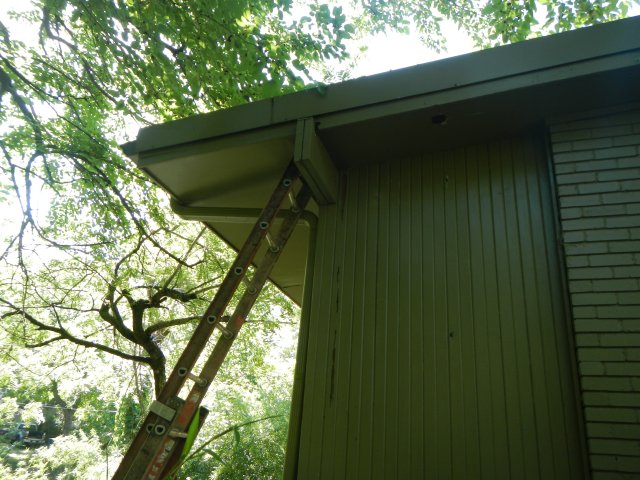
Bees have lived in this soffit for a short amount of time.  The property was being sold, and the new buyers wanted the bees to be removed as a part of their purchase agreement.

Dscn2974

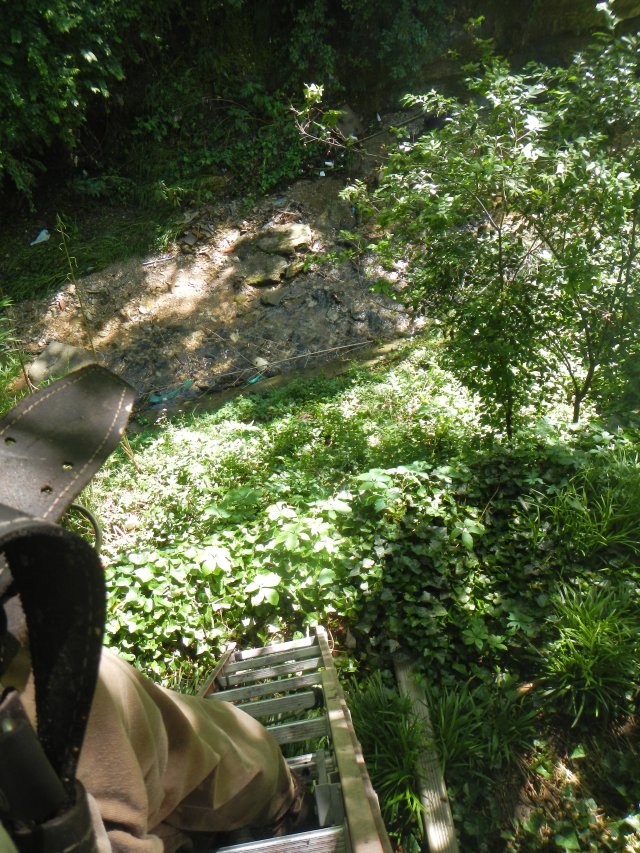
While the bees were in a 1st floor soffit – it was a high soffit… and a precarious drop below my ladder footing.  The picture below shows my view from the ladder.. down to a creek bed another 20-30 feet below the ladder footing.

Dscn2981

The bees presented a strange phenomenon – there was plenty of brood, and plenty of bees… and we had a good nectar flow going on at the time – HOWEVER – the comb was dry as a bone.  No honey stores whatsoever.  This, friends is why you feed your bees if there is a dearth of nectar that is acceptable to them.

Dscn2978 Dscn2982Once the bees and comb was removed – the space was filled with insulation, and put back together.

Dscn2984


One Bee’s Trash (can) is another Bee’s Home…

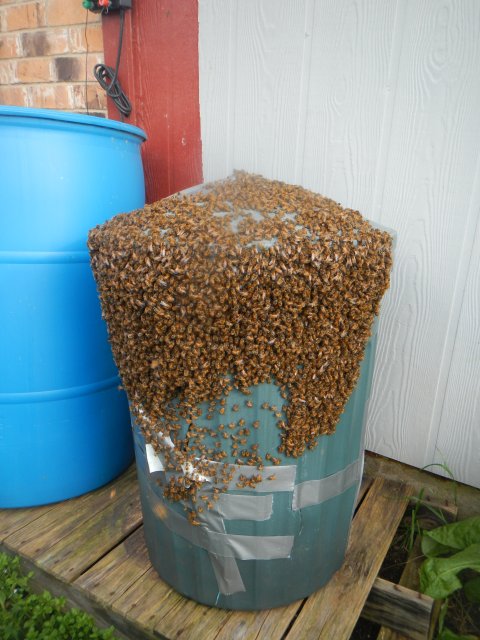
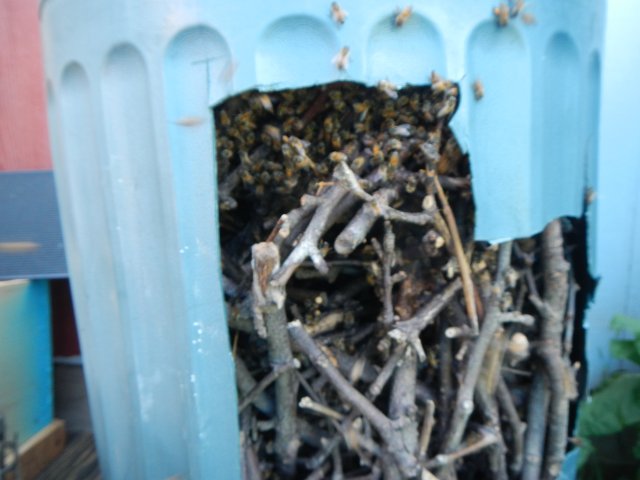
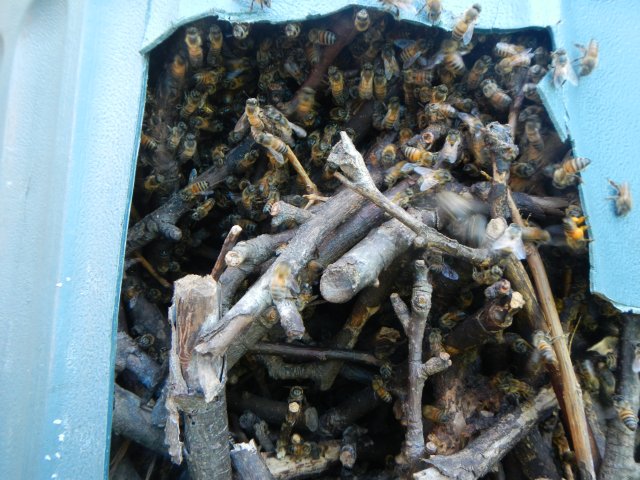
This trash can was a removal from a client earlier in the year.  Bees had moved into the can last fall – and overwintered… however when they tagged the homeowner a few times – he decided it was time to call me.

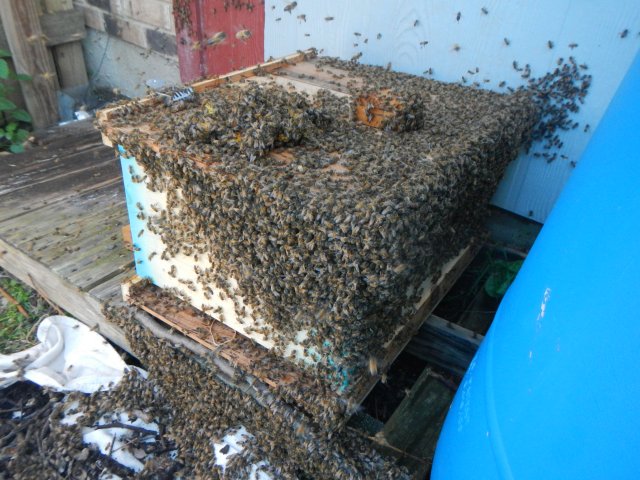
I brought the bees home with me – and figured I would move them out of the trash can as soon as I made time.  With them bearding outside the can last week (see photo) – it was time!

Dscn2943_sm

Once I opened up the side of the can, I saw that it was a MESS inside.  The previous owner of said trash can had almost FILLED it up with sticks & cutting debris.  The comb was all intertwined in the twigs – so I was only able to salvage about half of the brood-comb…  Even with that – I was able to save about 10 frames of comb.  There was a LOT – but it was a messy removal (and not with honey).

Dscn2985 Dscn2986

After the move from trash can to box – which took about 2.5 hours of careful work, there was still about the same amount of bees bearded on the outside of the new box.  I added another medium sized box to the deep a day or so later, and with cool weather – they all finally went in – and are now performing as they should.

Dscn2988


(Update – 1 week later, I have given them time to settle.  After checking the hive and frames of comb that was salvaged – I did find that fresh eggs have been laid – so they DO have a queen, even though I have not caught sight of her as yet)