Archives

Another Brick In the Wall

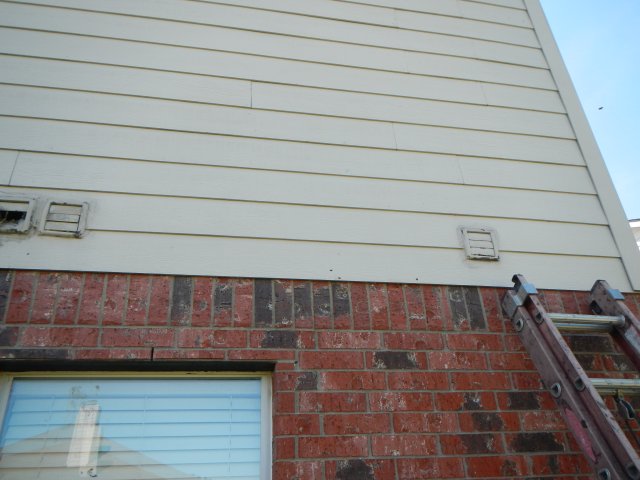
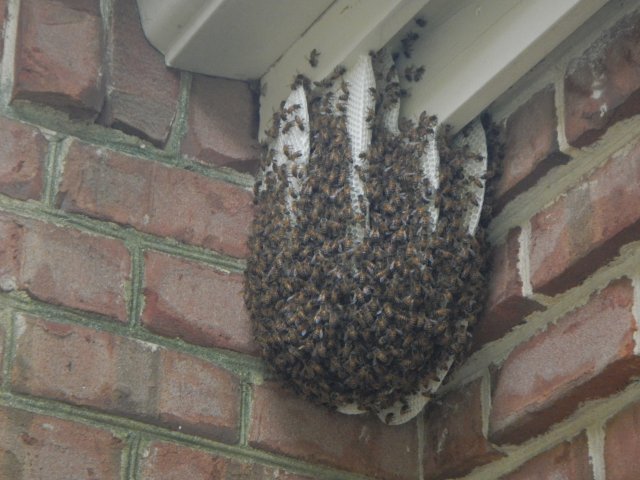
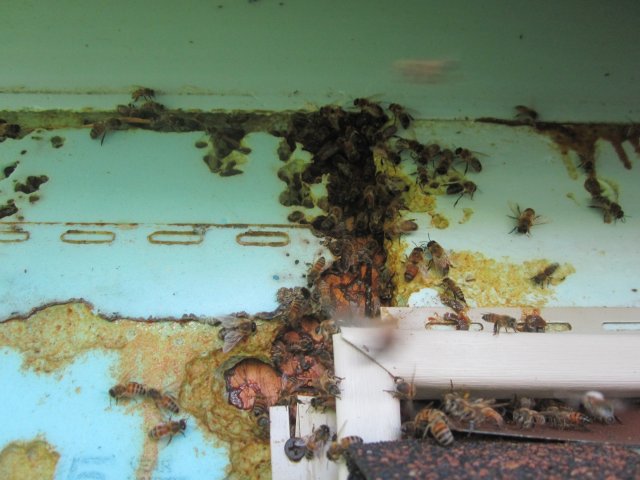
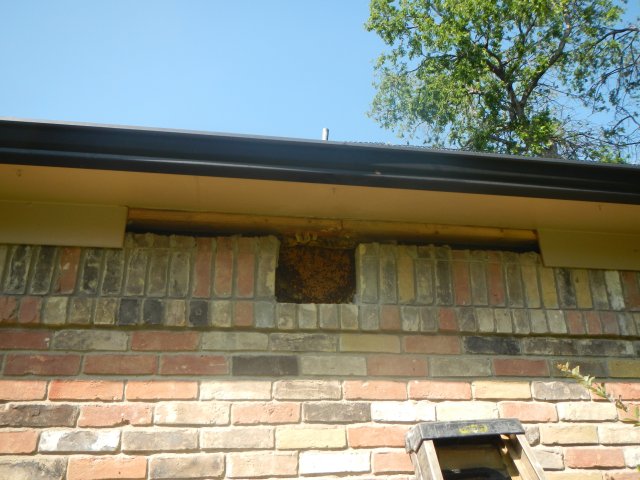
Luckily, these bees have only been in this home for about 2 months.  The homeowner was trying to do yard work – and was getting tagged occasionally by bees – so his wife made sure that he called a beekeeper to do a live removal (as opposed to having them exterminated).
Dscn3146

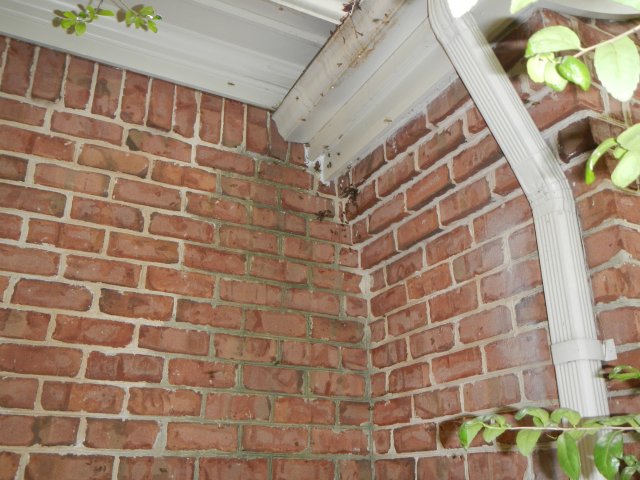
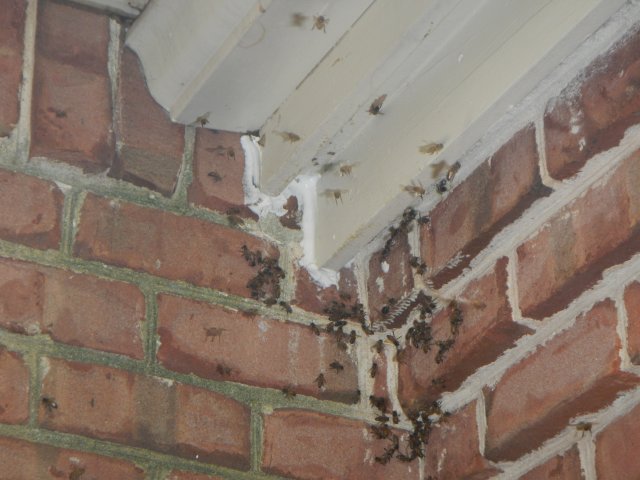
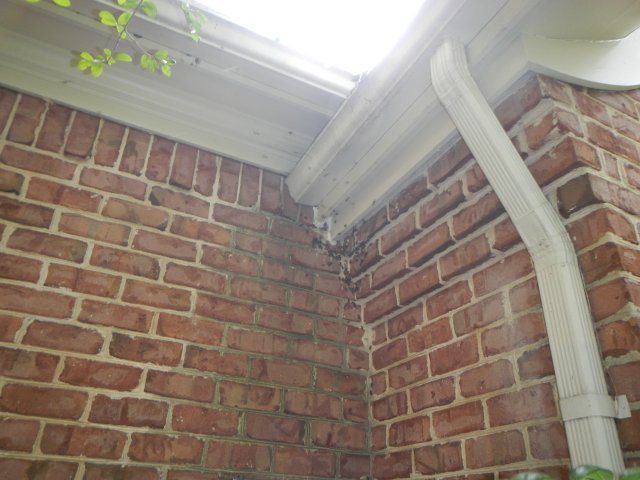
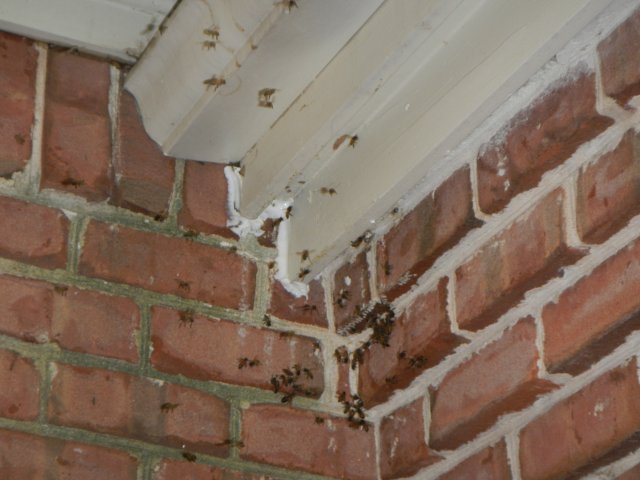
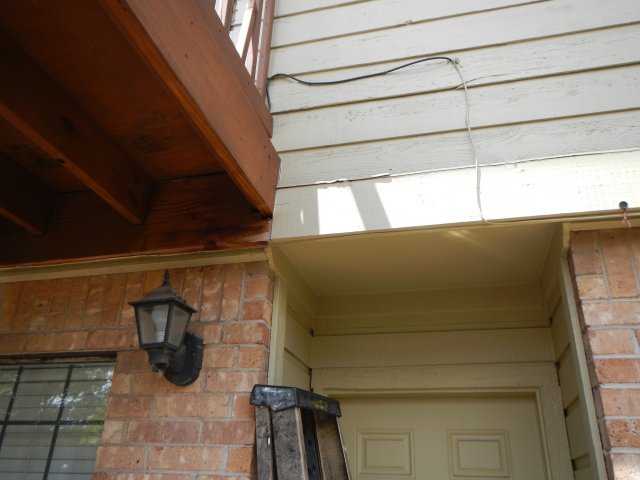
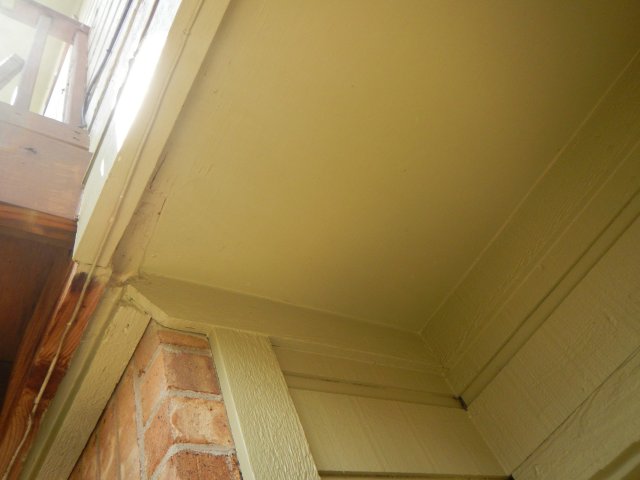
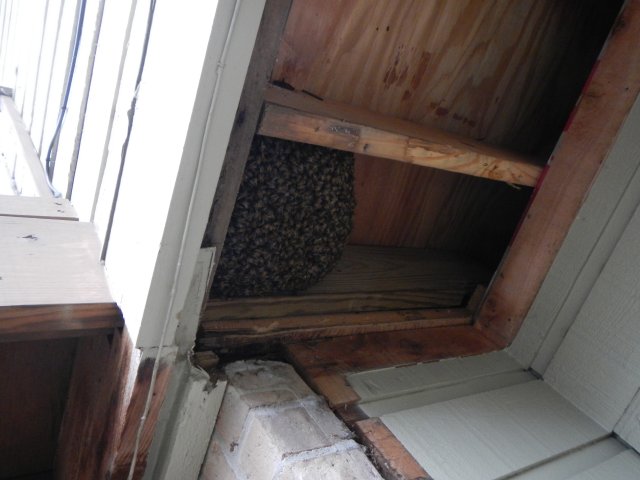
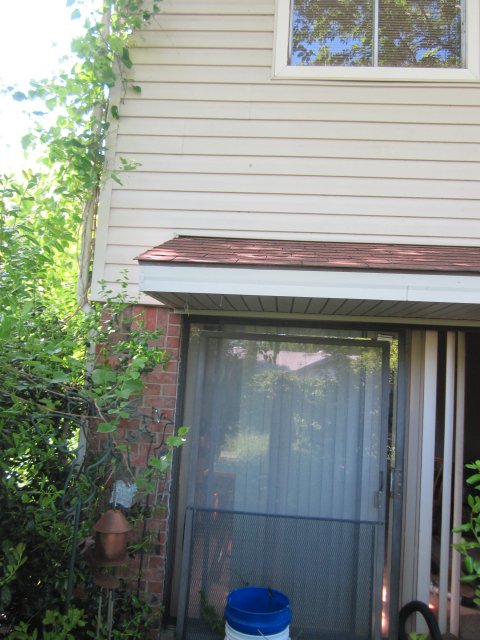
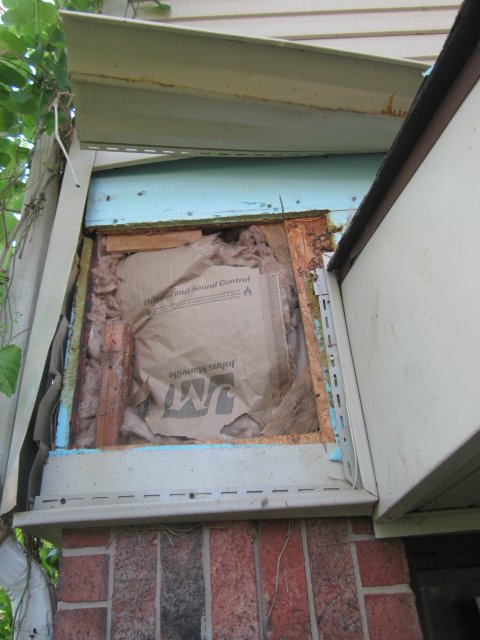
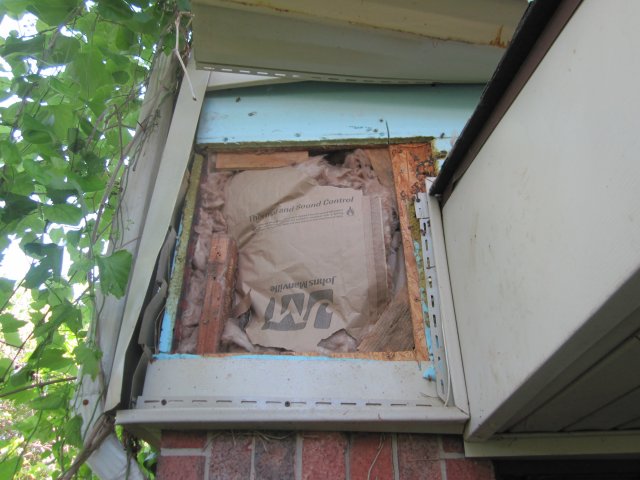
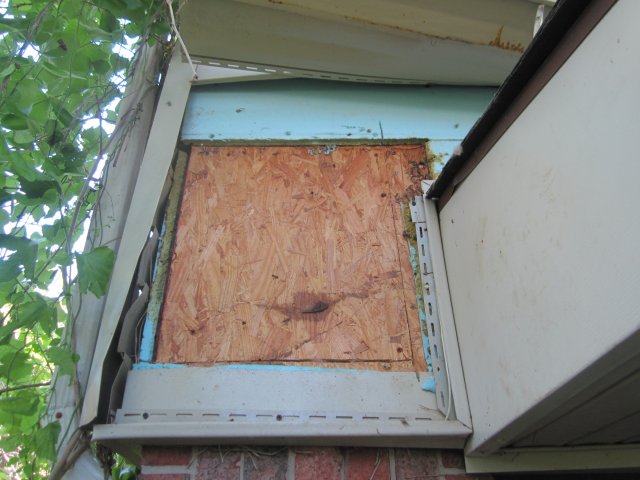
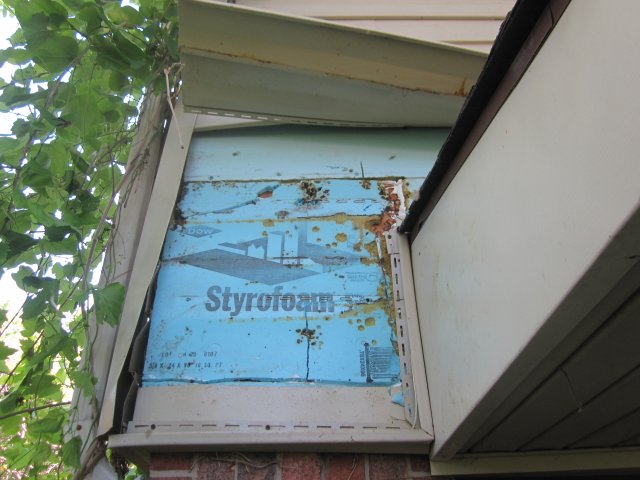
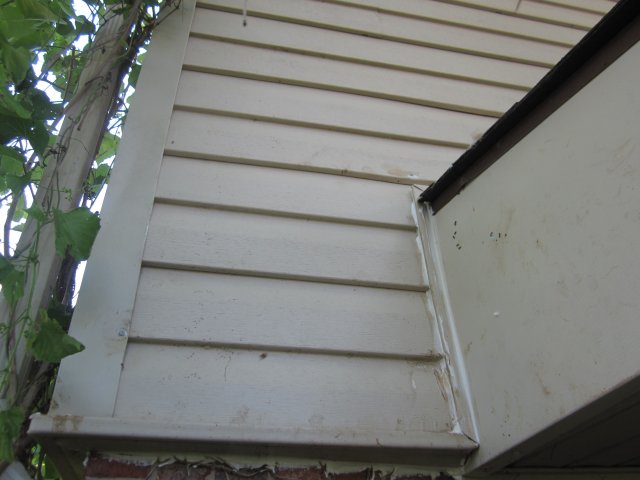
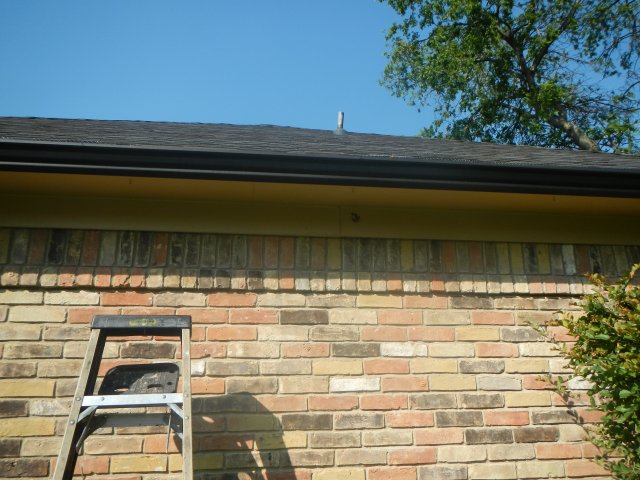
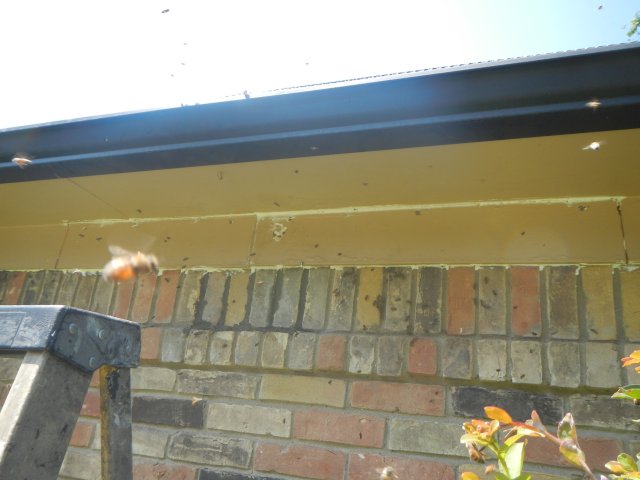
They were entering at the soffit trim level (trim-to-brick transition).  Usually this places the hive into the soffit – HOWEVER – this time, I know that was unlikely – as the soffit was not shaded by a tree or by a higher portion of the home.  The attic & soffit space in this case – gets WAY too hot for comb to stay solid – and is too hot for the bees to survive.
Dscn3147 Dscn3148

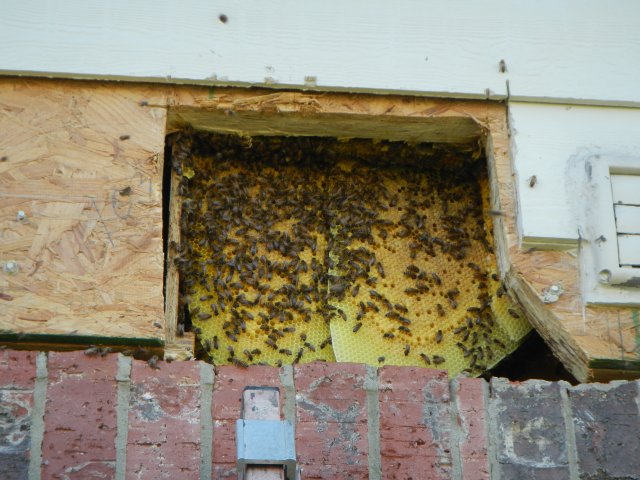
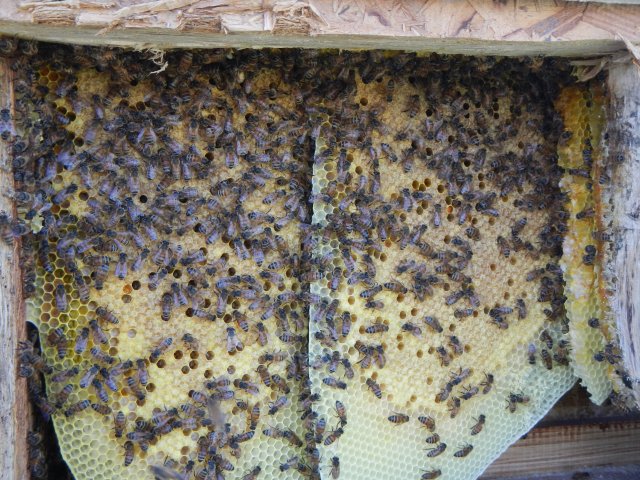
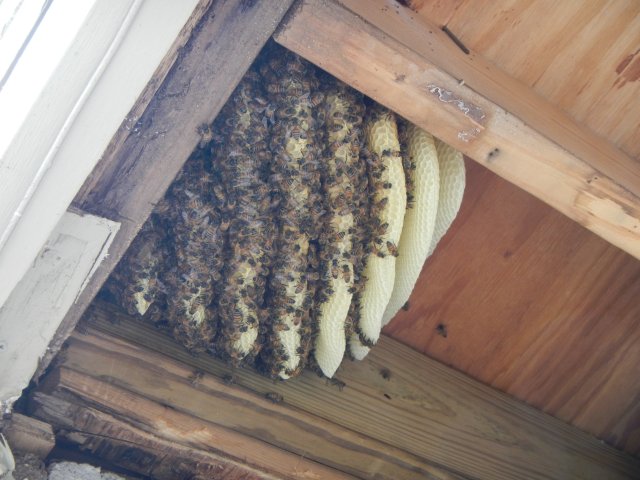
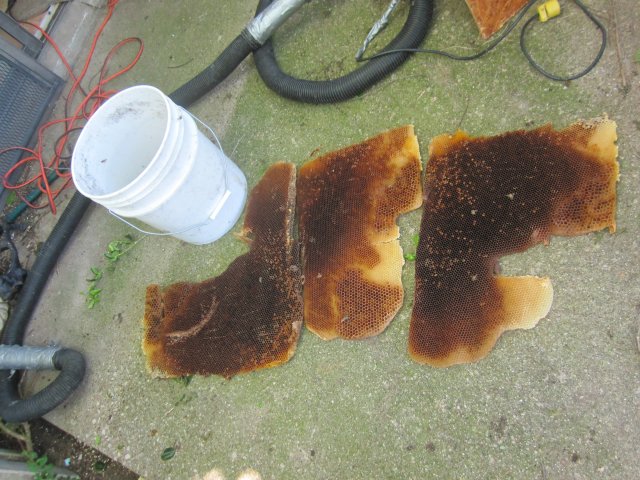
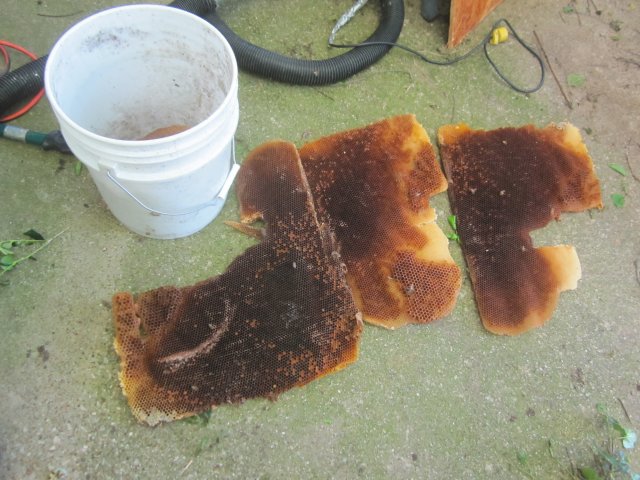
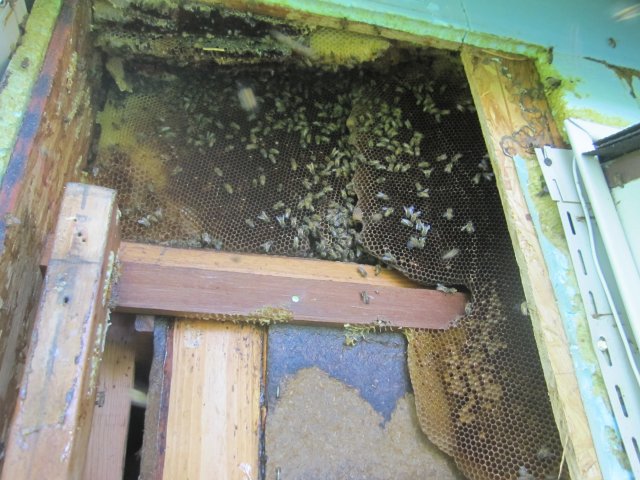
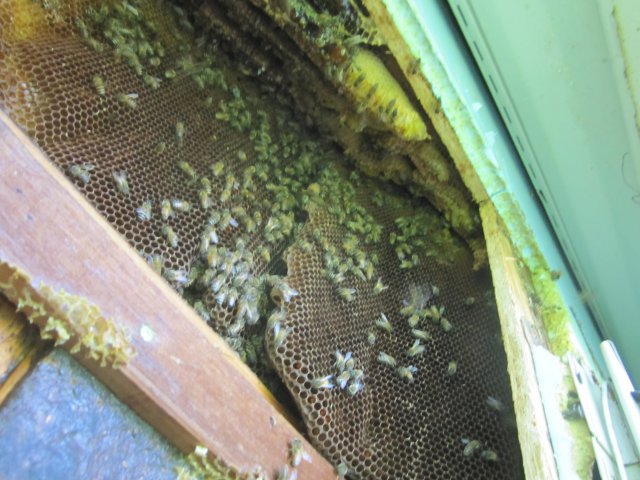
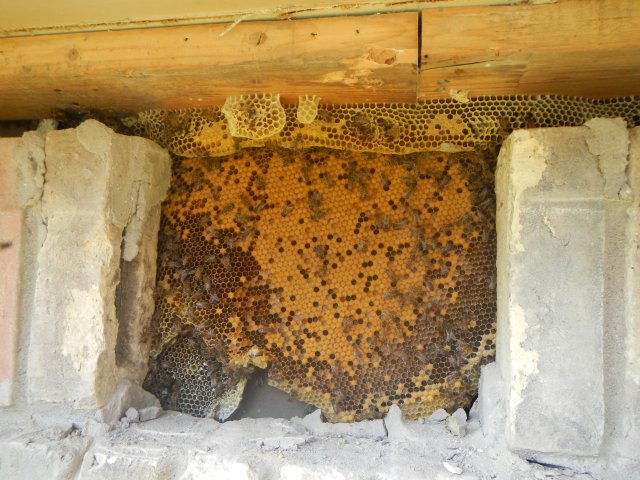
They had to be lower – in the area shaded by the soffit.  As soon as the trim was removed, I could see comb going downwards – behind the brick.  After a brief discussion with the homeowner to confirm with him about the hive location – I proceeded to remove 4 bricks to access and pull out the comb.

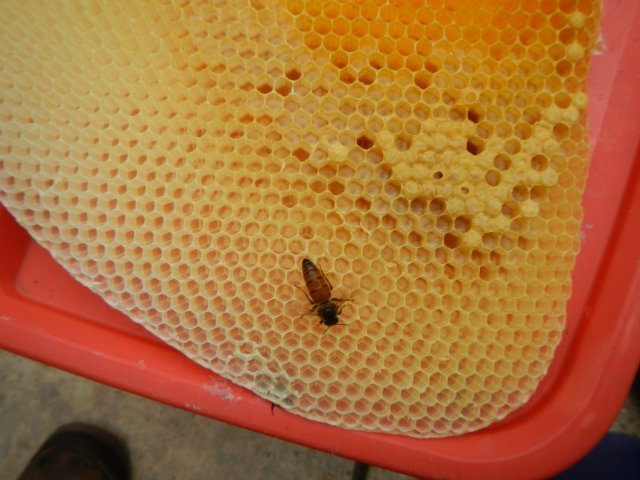
The queen was found and caged, and the remainder of the bees were collected into a hive body.
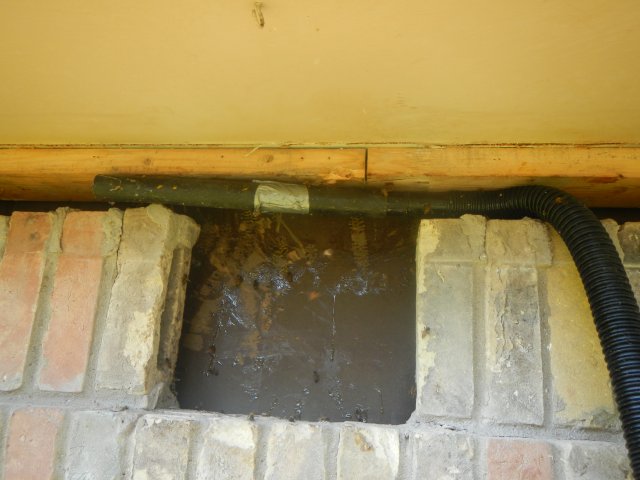
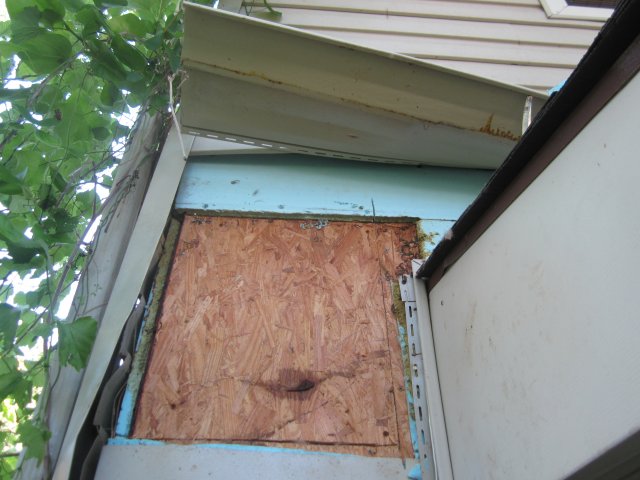
Dscn3151Then repairs to the brick commenced.  (note – repairs are ALWAYS the responsibility of the homeowner – however, it is advisable to close the area pretty quickly – so I can do the non-cosmetic repairs – and can typically quote a price before starting the removal.)
Dscn3159


Honeybee Out-Yard

A friend of mine has inquired several times about having hives put on their land – both for adding to the biodiversity of the land and flora, but also for the State Agriculture Exemption that includes having honeybees as livestock.

Every county can decide how many hives per acre are required, and the tax exemption is currently for a minimum of 5 acres, and up to 20 acres.

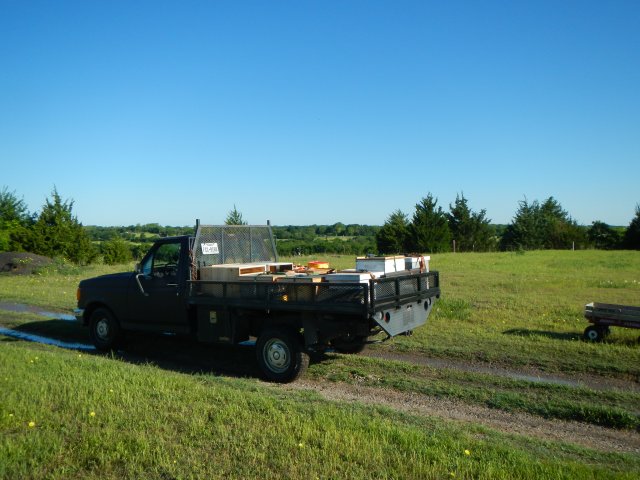
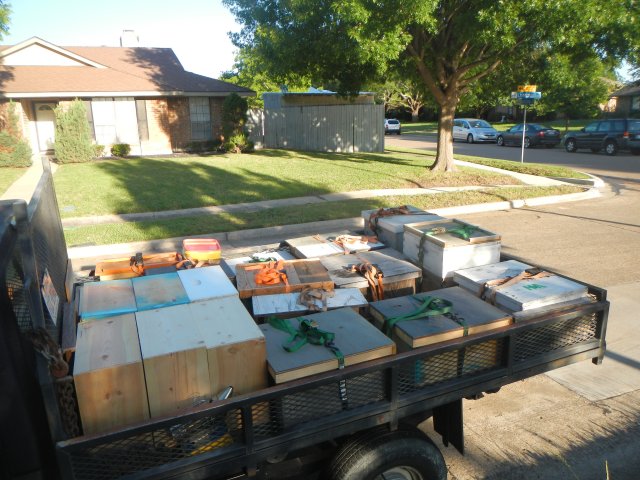
Hives were loaded up the night before

Dscn2990_sm

Then driven to their property.

Dscn2993_sm

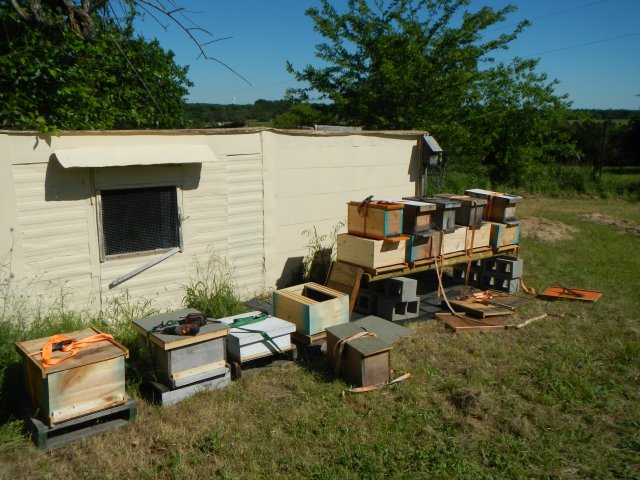
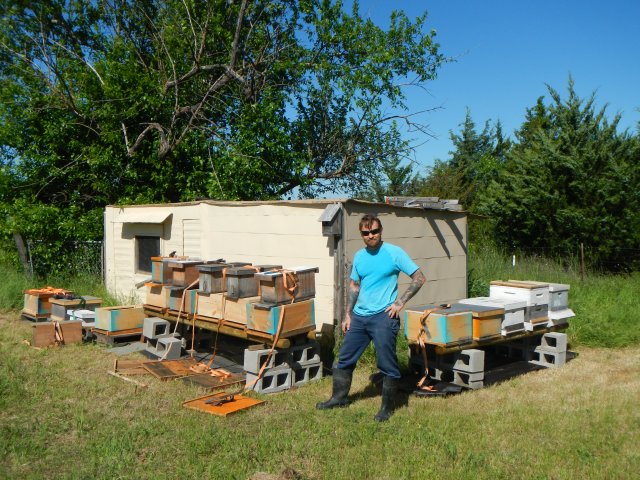
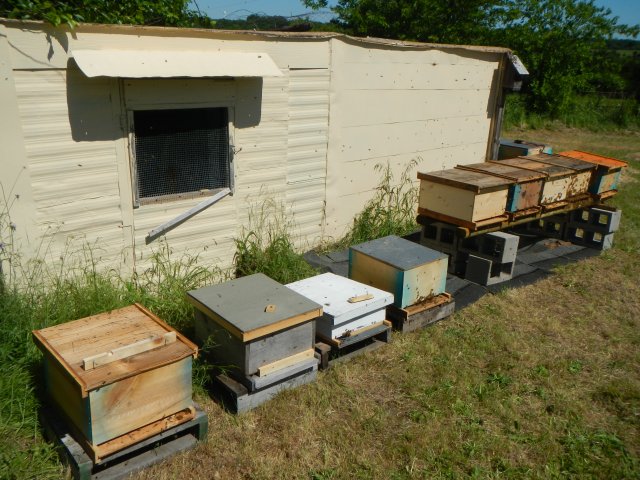
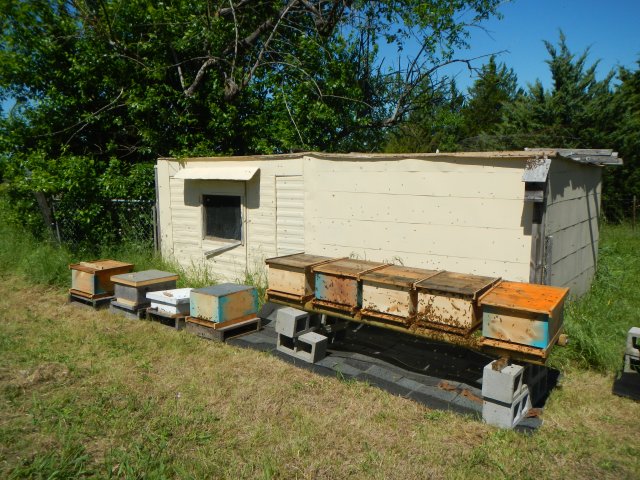
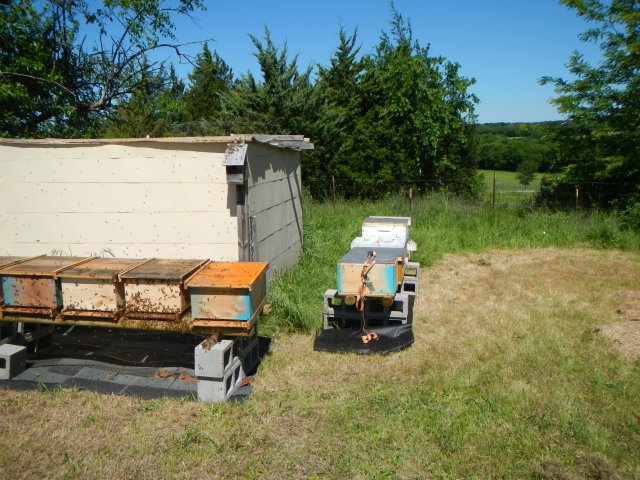
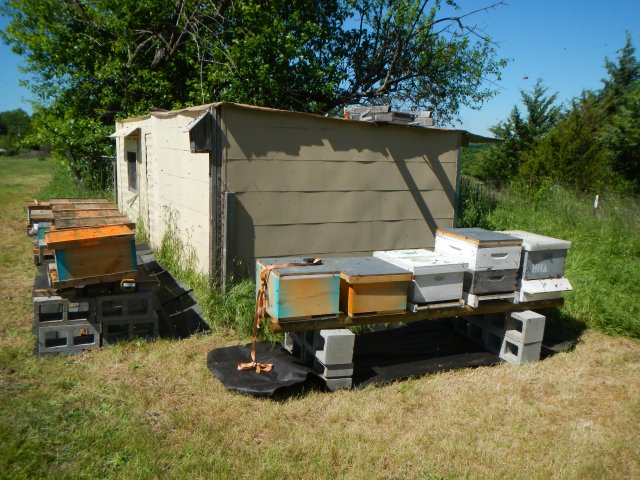
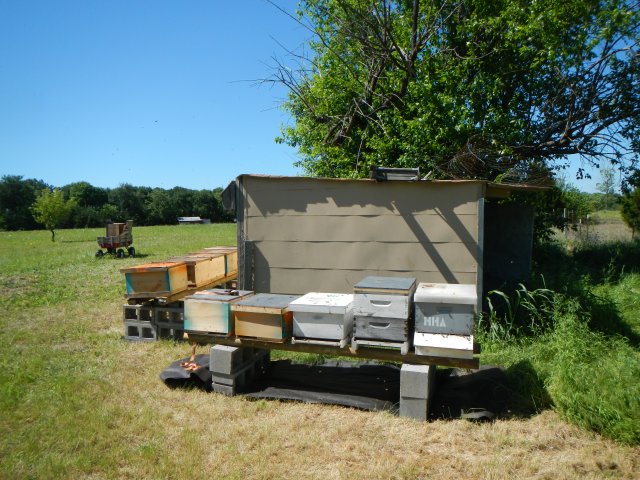
and setup onto hive stands.  Each holds 5 hives (4 comfortably, 5 hives are pretty tight together)
Dscn2995_smDscn2996_sm
Some of the hives were smaller 5-frame hives that were ready to move up to full-sized 10-frame boxes.  The bees are all setup in front of an unused chicken coop.

Dscn2998_sm Dscn2999_sm Dscn3000_sm Dscn3001_sm Dscn3002_sm


Somewhere Over the Bedroom

Honeybees moved into this space over a bedroom (in the joist space between floors) about a month and a half ago.

The bees were not a problem for the homeowner, however, they were concerned for the safety of their dogs – so called to have the bees removed.

Dscn3037The bees are entering at the junction of where the siding meets the brick.  There was about a 1/4″ gap.  The bees had taken up residence just behind the band-board of the joists – but not accessible from the drywall area of the bedroom.  The comb width was about 16″ (joist spacing), by about 12″ tall.

Dscn3039 Dscn3040


External Hive Removal

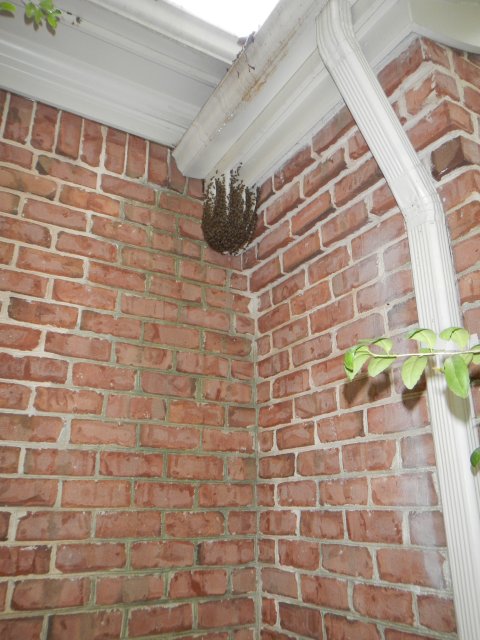
This home has had a colony of bees on the side for about a month.  The homeowner was informed about the bees – and a call was made to investigate and get them to brighter pastures.

Here’s the view as I peered through the shrubbery:
Dscn3134 Dscn3135

I could not tell yet (for certain) whether or not this was a new hive – or an extension of a larger hive within the soffit or wall.  After removing the external comb – it was determined that the hive did NOT go into the structure of the home.

The comb with eggs and brood was saved, the queen was found and placed into a hive body with the comb – and the residual wax removed from the home.  I also ran a fresh bead of caulk to make sure that bees could not enter in the future (from this spot, anyway).

Dscn3144 Dscn3140 Dscn3139 Dscn3143

Here are a few pics and a video of the bees orienting to the new box:

Dscn3136 Dscn3137 Dscn3142 Dscn3141

And the video:


Cliff-side Bees

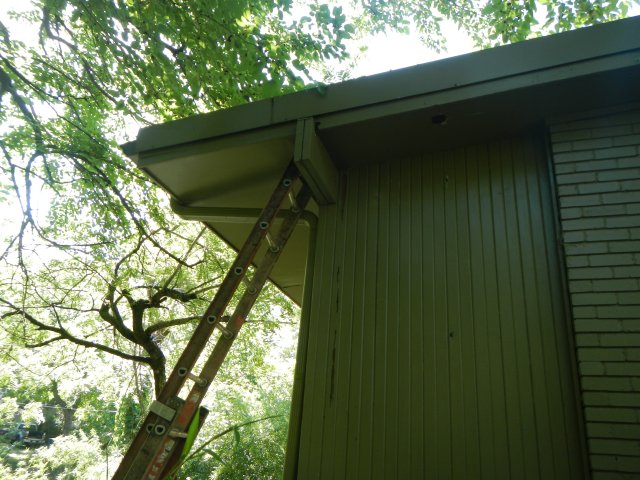
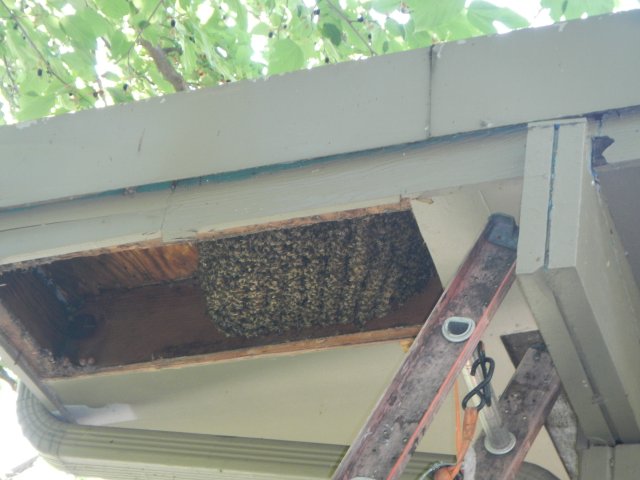
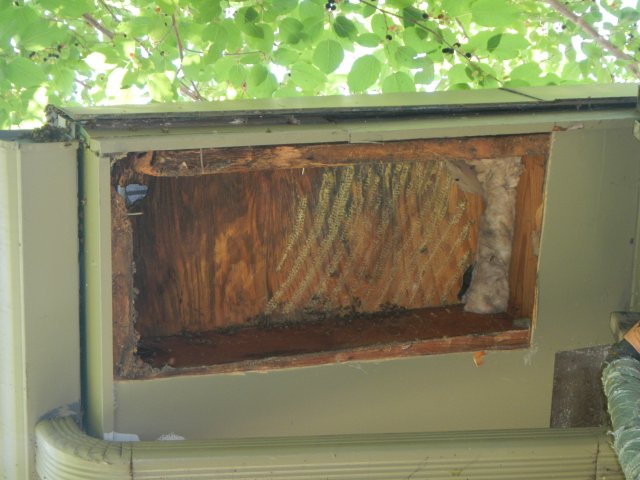
Bees have lived in this soffit for a short amount of time.  The property was being sold, and the new buyers wanted the bees to be removed as a part of their purchase agreement.

Dscn2974

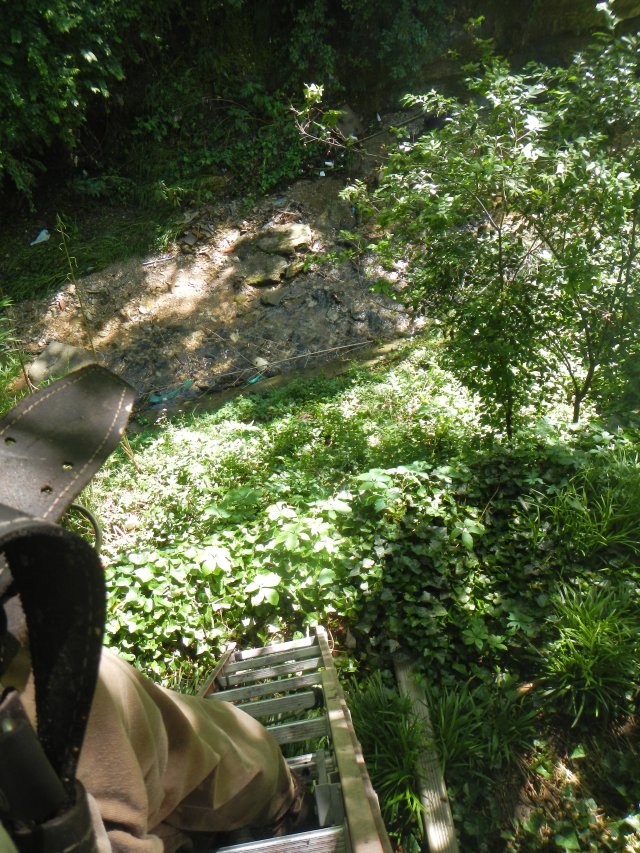
While the bees were in a 1st floor soffit – it was a high soffit… and a precarious drop below my ladder footing.  The picture below shows my view from the ladder.. down to a creek bed another 20-30 feet below the ladder footing.

Dscn2981

The bees presented a strange phenomenon – there was plenty of brood, and plenty of bees… and we had a good nectar flow going on at the time – HOWEVER – the comb was dry as a bone.  No honey stores whatsoever.  This, friends is why you feed your bees if there is a dearth of nectar that is acceptable to them.

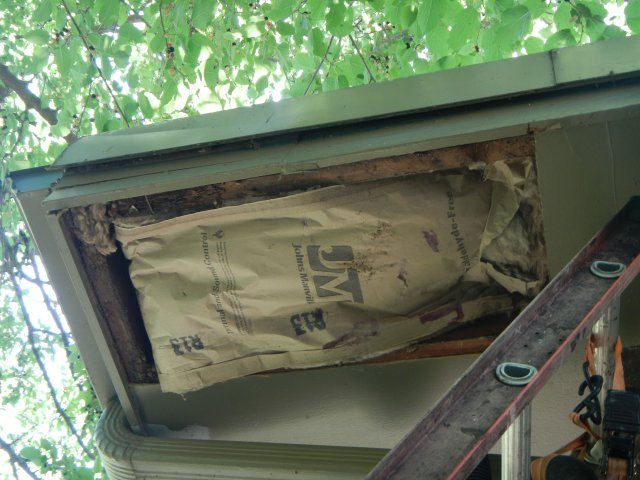
Dscn2978 Dscn2982Once the bees and comb was removed – the space was filled with insulation, and put back together.

Dscn2984


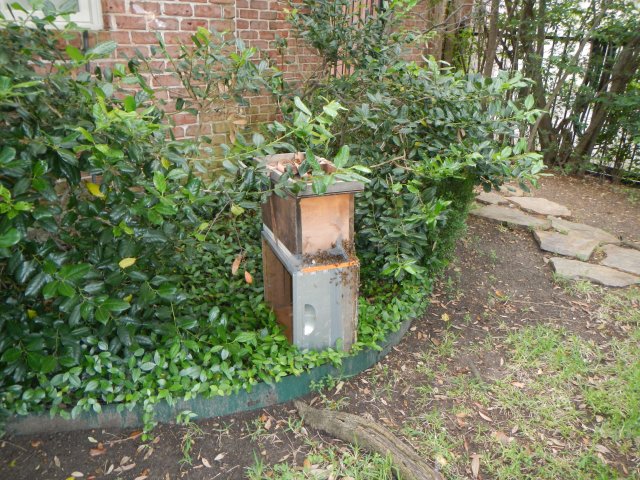
One Bee’s Trash (can) is another Bee’s Home…

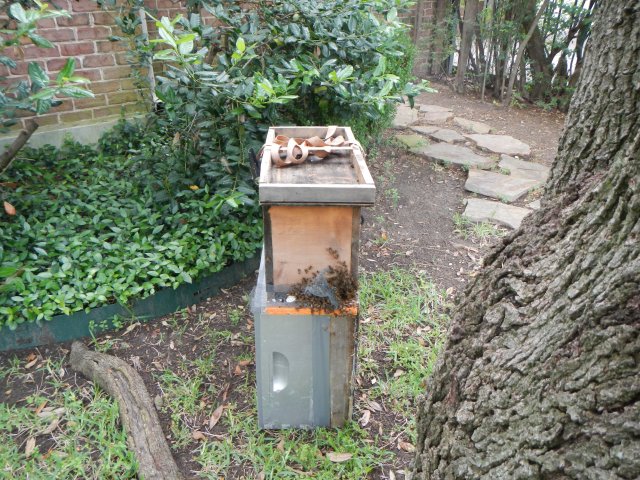
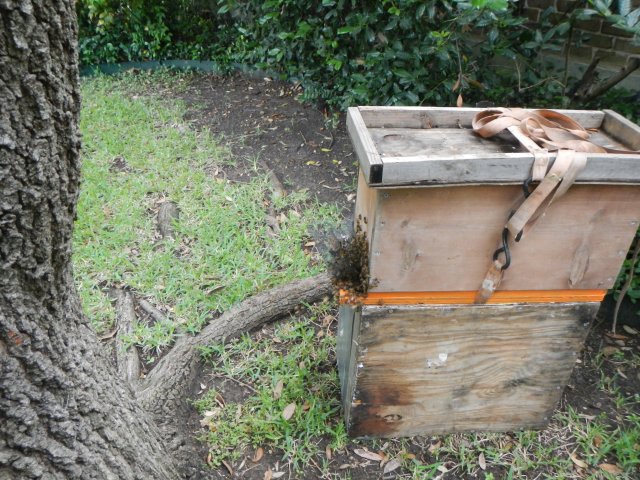
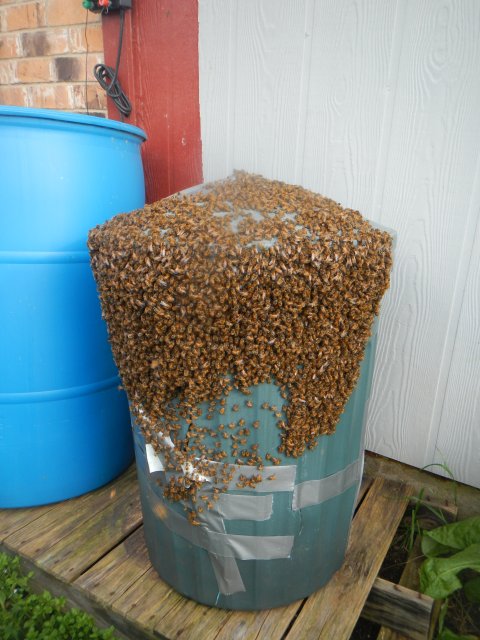
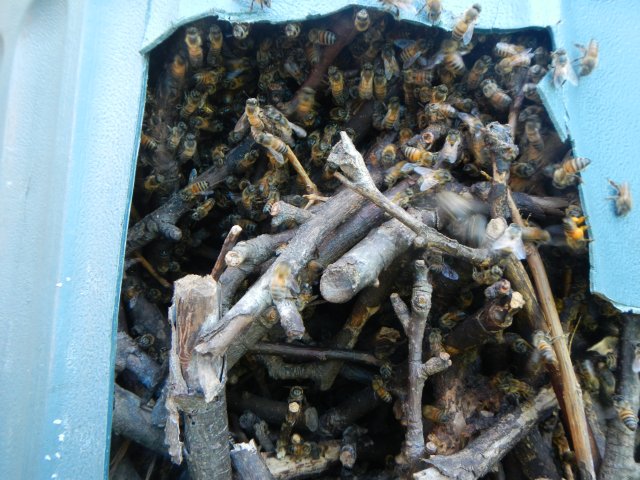
This trash can was a removal from a client earlier in the year.  Bees had moved into the can last fall – and overwintered… however when they tagged the homeowner a few times – he decided it was time to call me.

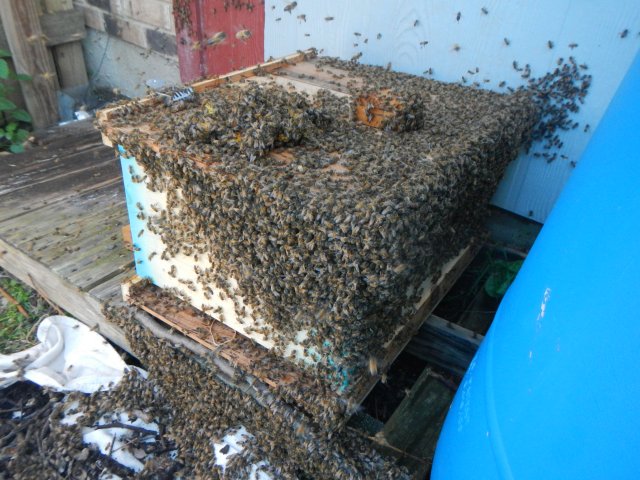
I brought the bees home with me – and figured I would move them out of the trash can as soon as I made time.  With them bearding outside the can last week (see photo) – it was time!

Dscn2943_sm

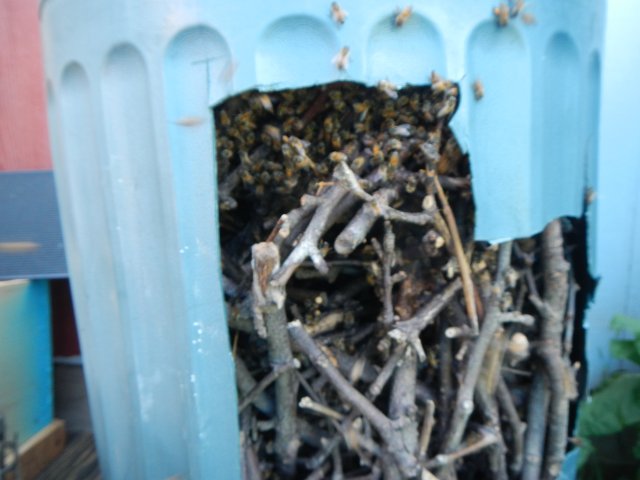
Once I opened up the side of the can, I saw that it was a MESS inside.  The previous owner of said trash can had almost FILLED it up with sticks & cutting debris.  The comb was all intertwined in the twigs – so I was only able to salvage about half of the brood-comb…  Even with that – I was able to save about 10 frames of comb.  There was a LOT – but it was a messy removal (and not with honey).

Dscn2985 Dscn2986

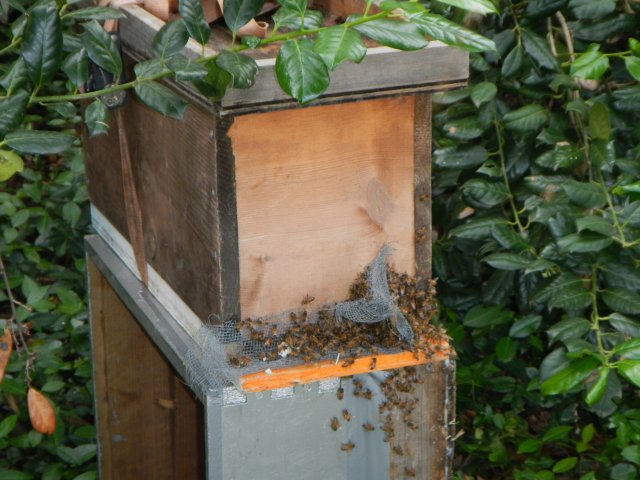
After the move from trash can to box – which took about 2.5 hours of careful work, there was still about the same amount of bees bearded on the outside of the new box.  I added another medium sized box to the deep a day or so later, and with cool weather – they all finally went in – and are now performing as they should.

Dscn2988


(Update – 1 week later, I have given them time to settle.  After checking the hive and frames of comb that was salvaged – I did find that fresh eggs have been laid – so they DO have a queen, even though I have not caught sight of her as yet)


Condo Bees

The tenant in this condo has seen bee activity since he moved in last November.  Given the number of holes in the side of the building – I am not surprised at all.  He had a sticky spot on the upstairs wall of his home – which alerted him to the possibility of honeybees in that wall.  The spot on the wall, though – was NO WHERE near the entrance the bees were using.  My laser thermometer could not verify presence of bees in the wall at all…  However, it DID show that warmth was transmitting through the floor – in the joist space between the 1st and 2nd floors – above the entryway of the back porch.

Dscn3007 Dscn3008These bees in the space I opened had only been here for a about a month.  the comb was nice and fresh, pure white, and had a fantastic brood pattern.

Dscn3012 Dscn3014

I found the queen on the 2nd piece of comb that was removed, and she posed nicely for the camera.  😉

Dscn3015


Joist Space Removal – Plano Tx 4-28-2016

Bees have been entering this unoccupied home for an unknown amount of time.  (After viewing and examining the comb – I believe the space had been occupied for at least 2 years).  Click on each photo for a larger version of each one – and there are 4 videos linked in this post.

Img_1952 Img_1953Initial view of the home.

And of the kitchen corner:

Img_1954


Img_1955 Img_1956 Img_1957 Img_1958Comb seen from the opening in the dining area.  First 3 photos are straight up – last photo is to the next joist space to the left.

Initial opening view – Video  Able to see that comb is behind the 2×12, and access would have to be made from the outside as well for the hive to be removed.

Img_1959

More comb…

Img_1961

The patio cover has no comb inside of it.

Img_1963 Img_1964Siding off – And insulation panel exposed

Wood panel opened

Comb was LARGE.  Right at 2′ tall.

Img_1971 Img_1973 Img_1974 Img_1975

Bees removed, comb removed, and filling the void with insulation, then replacing the wood panel, insulation panel, and vinyl siding.

Also the drywall inside was replaced into its’ position.

Img_1979 Img_1980 Img_1981 Img_1982 Img_1983 Img_1984

Inside:

Img_1978 Img_1977

And for fun – a view of what I dealt with during the removal.  This was a feeding frenzy of neighborhood bees cleaning up the honey while I was working.


Garage Apartment Bees

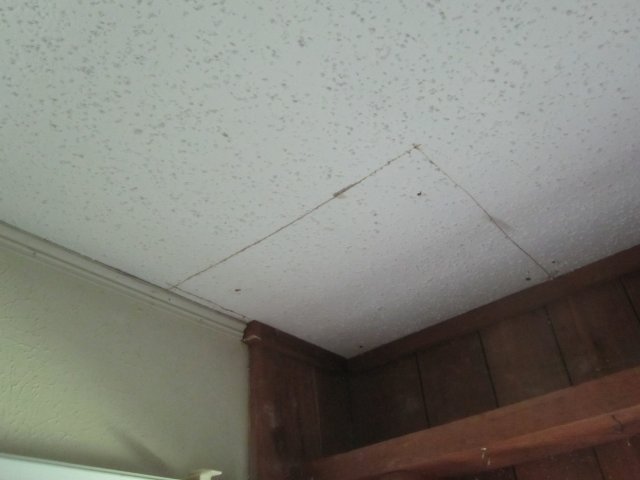
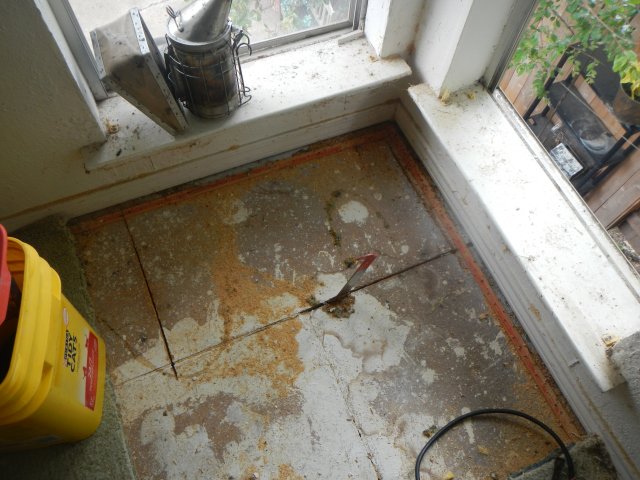
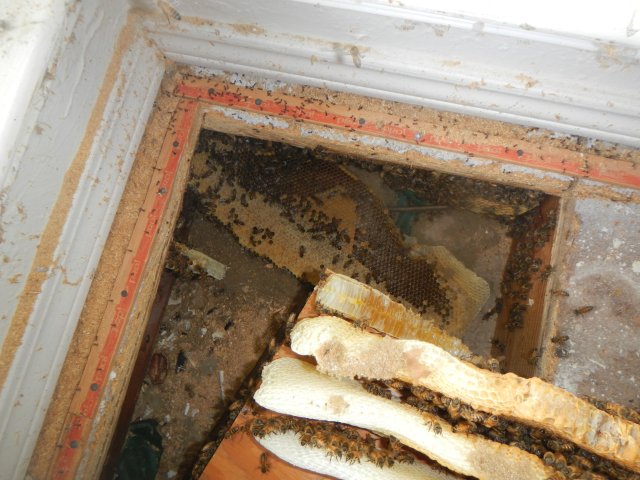
Several weeks ago, an attentive homeowner watched as a swarm moved into the joist space between floors of a backyard “garage apartment”.   On eviction day – access to the comb was through the flooring above the bees.  A laser thermometer showed that there was a hot-spot in the corner – marking the space where the brood and bees would be.

Garage_Apt_a

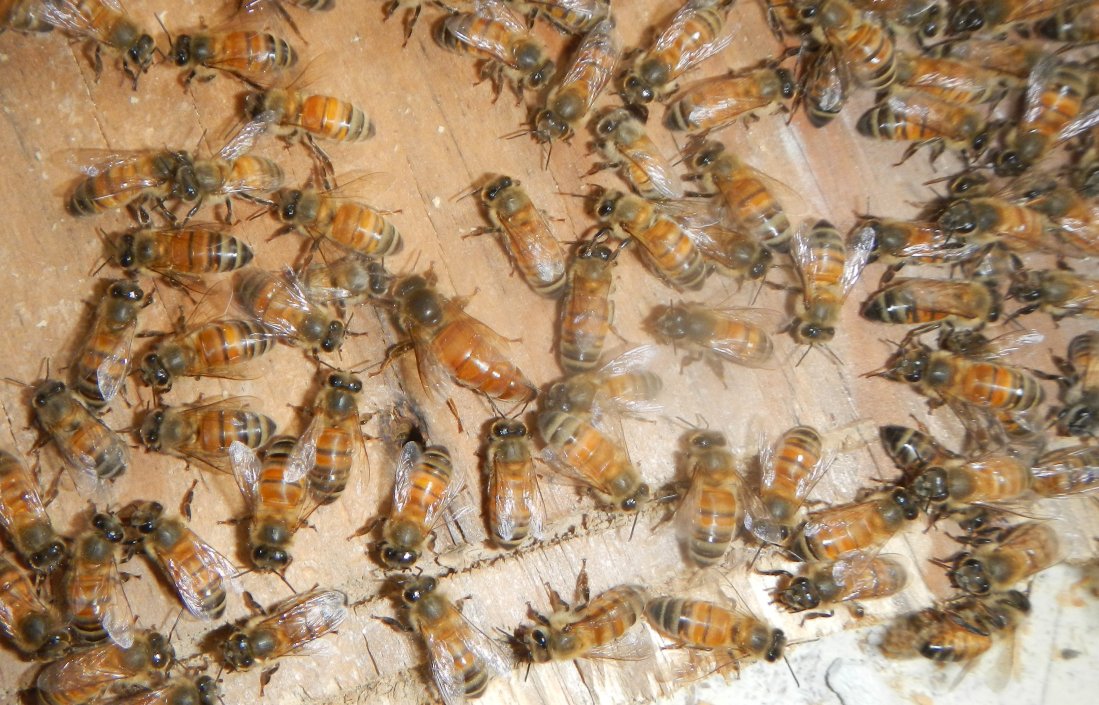
Once opened, the bees were very docile.  The queen was quickly found in a cluster of bees

Garage_Apt_c

She was a runner!

QueenShot_a


Gazebo Bees

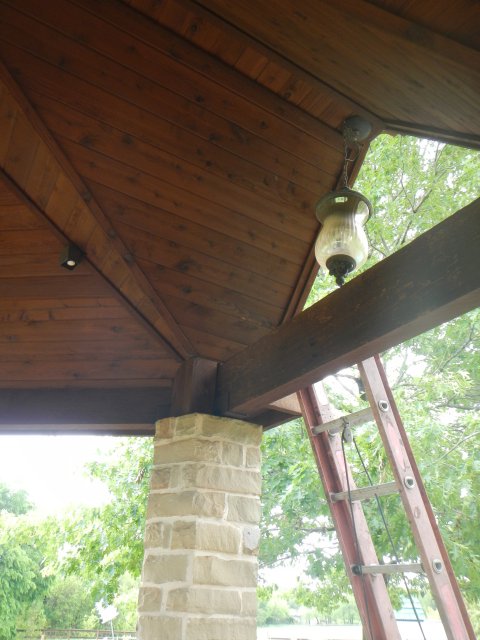
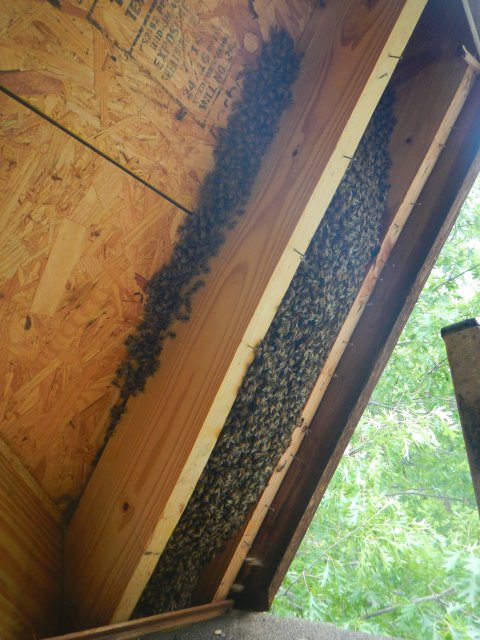
This colony set up shop in the ceiling void space of a gazebo.  That portion of the roof line is shaded – so does not get hot enough for there to be a problem with the wax melting.

Dscn2886_smDscn2892_sm

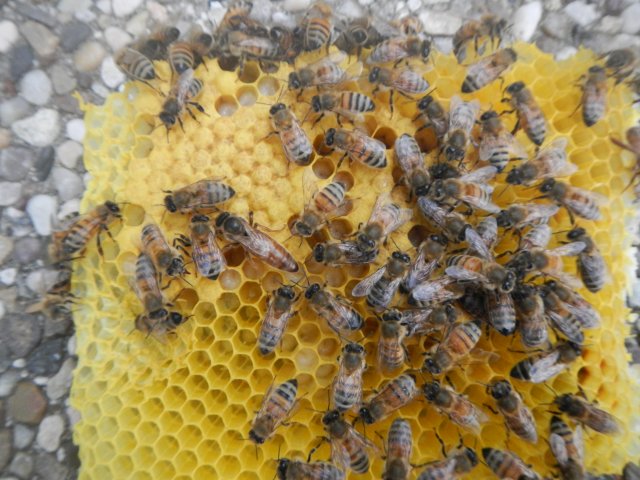
These bees have a very fertile queen with a great egg-laying pattern!

Dscn2893_sm